← Bandas
The Rosenberg trio
The Rosenberg Trio, consisting of Stochelo Rosenberg on lead guitar, Nous'che Rosenberg on rhythm guitar, and Nonnie Rosenberg on double bass, is a renowned gypsy jazz band that has left an indelible mark on the music world. With a career spanning over 25 years, they have performed at prestigious jazz festivals worldwide, including the Jazz Festival of Montreal, North Sea Jazz, Django Reinhardt Festival in Samois, Jazz In Marciac, Jazz à Vienne, Carnegie Hall in New York, and The Rose Bowl in Los Angeles. Their exceptional talent has led them to collaborate with esteemed musicians such as Toots Thielemans, Jan Akkerman, Stéphane Grappelli, Herman van Veen, Jaap van Zweden, Louis van Dijk, Peter Beets, and many others. Additionally, they have had the privilege of being the support act for acclaimed artists such as Shirley Bassey, Randy Crawford, and Luciano Pavarotti.
Inspired by the legacy of Django Reinhardt, the Rosenberg Trio has not only excelled in the gypsy swing genre but also expanded their repertoire to include classical, pop, and bossa nova, all infused with their unique gypsy swing style. They have also contributed significantly to the body of gypsy jazz compositions, with a large number of their own original works. To date, they have released more than 26 highly successful CDs and DVDs.
The trio's journey began in the late 1970s when they gained recognition within the European gypsy community. In the late 1980s, they achieved international breakthrough success and became headliners at major jazz festivals worldwide. Their impeccable musicianship and mastery of the genre have earned them a devoted fan base across countries and musical genres. The Rosenberg Trio has come to represent the very essence of gypsy jazz, with Stochelo Rosenberg being regarded as one of the finest guitarists of the genre. His impeccable technique, elegant playing style, and personal vibrato seamlessly combine virtuosity and emotion, captivating audiences worldwide.
The precise formation date of the Rosenberg Trio as a trio is unknown. Growing up in a highly musical family, the trio members were immersed in the music of Django Reinhardt from an early age. In 1974, Hans Meelen, a clarinetist, first met members of the Sinti community, including Sani Rosenberg (father of Nous'che and Nonnie), Wasso Grünholz (grandfather of Stochelo), and Storo Berger on violin. When Stochelo was around 10 years old, he started playing the guitar alongside his cousin and friend, Nous'che. Together with Rino van Hooydonk on guitar and Hans on clarinet, they formed the band "Manouche" and performed in the Netherlands and Belgium.
In 1980, Hans arranged a local radio station performance for the band, which led to their participation in a children's TV contest. Although only Nous'che, Stochelo, and Rino were allowed to perform due to the restrictions of their church, their talent was widely appreciated, and they won first prize. Following this, the trio occasionally played in churches, and their performances caught the attention of a record company. However, due to their church affiliation, they were not permitted to engage in "common" worldly activities. Nevertheless, Hans managed to have the boys contribute one track to a record produced for the local radio station's anniversary, marking Stochelo and Nous'che's first recording.
From that point until 1989, the trio exclusively performed in churches and gypsy camps across Europe, garnering fame within the gypsy community. Recognizing their immense potential, Hans Meelen sought to expand their horizons and, in June 1989, successfully brought Nous'che and Stochelo to Samois. Initially planned to perform a few songs between acts, their talent astounded the audience, leading Jon Larsen of Hotclub Records to offer them a recording contract. Shortly after, they recorded their first CD, "Seresta," under the Hot Club Records label. The album received high acclaim from Django Reinhardt enthusiasts, who hailed the Rosenberg Trio as the successor to Django. This breakthrough marked the beginning of their international success, and they were soon invited to perform at jazz festivals worldwide.
The trio's exceptional reputation grew, resulting in notable collaborations with Luciano Pavarotti and Shirley Bassey. They were also invited by Stéphane Grappelli to perform with him at Carnegie Hall to celebrate his 85th birthday, a milestone that remains a highlight of the Rosenberg Trio's career.
The Rosenberg Trio's legacy as exceptional musicians and ambassadors of gypsy jazz continues to resonate with audiences globally. With their unrivaled passion for making music, they have captivated the world and cemented their status as the best in their field.
As of 2023, the Rosenberg Trio continues to enthrall audiences around Europe with their captivating performances. They are actively touring and participating in various festivals, showcasing their timeless talent and undeniable presence on stage. Their enduring popularity and dedication to their craft ensure that they remain an integral part of the vibrant music scene, captivating audiences with their unmatched musicianship and passion for gypsy jazz.
Thanks The Rosenberg Trio for an amazing career and inspiring musicians worldwide!
Official Website The Rosenberg trio
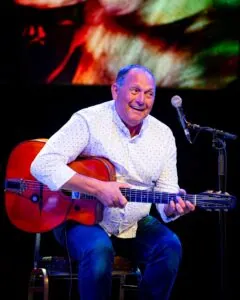
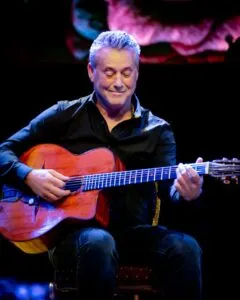
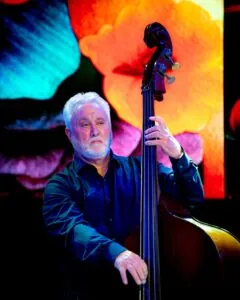
El Rosenberg Trio, integrado por Stochelo Rosenberg en guitarra solista, Nous'che Rosenberg en guitarra rítmica y Nonnie Rosenberg en contrabajo, es una reconocida banda de gypsy jazz que ha dejado una huella imborrable en la música. Con más de 25 años de carrera, se han presentado en prestigiosos festivales de jazz de todo el mundo, entre ellos el Festival de Jazz de Montreal, North Sea Jazz, el Festival Django Reinhardt de Samois, Jazz In Marciac, Jazz à Vienne, el Carnegie Hall de Nueva York y The Rose Bowl en Los Ángeles. Su talento excepcional los llevó a colaborar con músicos como Toots Thielemans, Jan Akkerman, Stéphane Grappelli, Herman van Veen, Jaap van Zweden, Louis van Dijk, Peter Beets y muchos otros. Además, tuvieron el privilegio de abrir los conciertos de artistas consagrados como Shirley Bassey, Randy Crawford y Luciano Pavarotti.
Inspirados en el legado de Django Reinhardt, el Rosenberg Trio no solo ha brillado en el género swing gitano, sino que también ha ampliado su repertorio con música clásica, pop y bossa nova, todo teñido con su estilo swing gitano único. También han contribuido de forma significativa al repertorio de gypsy jazz con un gran número de obras propias. Hasta la fecha, han publicado más de 26 CD y DVD de enorme éxito.
La trayectoria del trío comenzó a fines de la década de 1970, cuando ganaron reconocimiento dentro de la comunidad gitana europea. A fines de los años ochenta lograron un éxito internacional y se convirtieron en cabezas de cartel de los grandes festivales de jazz del mundo. Su musicalidad impecable y su dominio del género les han valido una base de fans devota en distintos países y estilos musicales. El Rosenberg Trio representa la esencia misma del gypsy jazz, y Stochelo Rosenberg es considerado uno de los mejores guitarristas del género. Su técnica impecable, su estilo elegante y su vibrato personal combinan virtuosismo y emoción, y cautivan al público de todo el mundo.
La fecha exacta en que el Rosenberg Trio se formó como trío es desconocida. Crecieron en una familia muy musical y los miembros del grupo se sumergieron en la música de Django Reinhardt desde muy chicos. En 1974, Hans Meelen, clarinetista, conoció a integrantes de la comunidad sinti, entre ellos Sani Rosenberg (padre de Nous'che y Nonnie), Wasso Grünholz (abuelo de Stochelo) y Storo Berger, violinista. Cuando Stochelo tenía unos 10 años, empezó a tocar la guitarra junto a su primo y amigo Nous'che. Con Rino van Hooydonk en guitarra y Hans en clarinete, formaron la banda "Manouche" y tocaron en los Países Bajos y en Bélgica.
En 1980, Hans consiguió que la banda actuara en una radio local, lo que los llevó a participar en un concurso televisivo infantil. Aunque solo Nous'che, Stochelo y Rino tenían permiso para actuar por las restricciones de su iglesia, su talento fue muy valorado y ganaron el primer premio. A partir de entonces, el trío tocó ocasionalmente en iglesias, y sus presentaciones llamaron la atención de una discográfica. Sin embargo, por su pertenencia a la iglesia, no se les permitía participar en actividades mundanas. Aun así, Hans logró que los chicos aportaran un tema a un disco producido para el aniversario de la radio local, que marcó la primera grabación de Stochelo y Nous'che.
Desde ese momento hasta 1989, el trío tocó exclusivamente en iglesias y campamentos gitanos de toda Europa, y se hizo famoso dentro de la comunidad gitana. Consciente de su enorme potencial, Hans Meelen quiso ampliar sus horizontes y, en junio de 1989, llevó con éxito a Nous'che y Stochelo a Samois. Estaban previstos para tocar unas canciones entre actuaciones, pero su talento sorprendió al público, y Jon Larsen, de Hotclub Records, les ofreció un contrato discográfico. Poco después grabaron su primer CD, "Seresta", con el sello Hot Club Records. El álbum recibió grandes elogios de los admiradores de Django Reinhardt, que vieron en el Rosenberg Trio al sucesor de Django. Este éxito marcó el inicio de su carrera internacional, y pronto fueron invitados a tocar en festivales de jazz de todo el mundo.
La excelente reputación del trío creció y dio lugar a colaboraciones notables con Luciano Pavarotti y Shirley Bassey. Stéphane Grappelli también los invitó a tocar con él en el Carnegie Hall para celebrar su 85.º cumpleaños, un hito que sigue siendo uno de los momentos destacados de la carrera del Rosenberg Trio.
El legado del Rosenberg Trio como músicos excepcionales y embajadores del gypsy jazz sigue resonando en el público de todo el mundo. Con su pasión incomparable por la música, han cautivado al mundo y consolidado su lugar como los mejores de su campo.
En 2023, el Rosenberg Trio sigue deleitando al público en toda Europa con sus presentaciones cautivantes. Continúan de gira y participando en distintos festivales, mostrando su talento atemporal y su presencia inconfundible en el escenario. Su popularidad duradera y su dedicación a su arte hacen que sigan siendo parte integral de la vibrante escena musical, cautivando al público con su musicalidad inigualable y su pasión por el gypsy jazz.
¡Gracias, The Rosenberg Trio, por una carrera tan extraordinaria y por inspirar a músicos de todo el mundo!
Sitio oficial: The Rosenberg trio
Le Rosenberg Trio, formé de Stochelo Rosenberg à la guitare solo, Nous'che Rosenberg à la guitare rythmique et Nonnie Rosenberg à la contrebasse, est un groupe de gypsy jazz renommé qui a marqué le monde de la musique. Avec une carrière qui dépasse les 25 ans, ils se sont produits dans de prestigieux festivals de jazz à travers le monde, notamment le Festival de jazz de Montréal, le North Sea Jazz, le festival Django Reinhardt de Samois, Jazz In Marciac, Jazz à Vienne, le Carnegie Hall de New York et The Rose Bowl à Los Angeles. Leur talent exceptionnel les a conduits à collaborer avec des musiciens tels que Toots Thielemans, Jan Akkerman, Stéphane Grappelli, Herman van Veen, Jaap van Zweden, Louis van Dijk, Peter Beets et bien d'autres. Ils ont aussi eu le privilège de servir de première partie à des artistes reconnus comme Shirley Bassey, Randy Crawford et Luciano Pavarotti.
Inspirés par l'héritage de Django Reinhardt, les membres du Rosenberg Trio ne se sont pas limités au swing manouche : ils ont élargi leur répertoire à la musique classique, à la pop et à la bossa nova, toujours avec leur style swing unique. Ils ont aussi contribué de manière significative au répertoire du gypsy jazz avec un grand nombre de compositions originales. À ce jour, ils ont publié plus de 26 CD et DVD, qui ont connu un grand succès.
La trajectoire du trio commence à la fin des années 1970, lorsqu'il gagne une reconnaissance au sein de la communauté tzigane européenne. À la fin des années 1980, ils connaissent une percée internationale et deviennent les têtes d'affiche des grands festivals de jazz du monde entier. Leur musicalité irréprochable et leur maîtrise du genre leur ont valu un public fidèle dans de nombreux pays et au-delà des frontières musicales. Le Rosenberg Trio incarne l'essence même du gypsy jazz, et Stochelo Rosenberg est considéré comme l'un des plus grands guitaristes du genre. Son jeu impeccable, son style élégant et son vibrato personnel allient virtuosité et émotion, et captivent le public du monde entier.
La date exacte de formation du Rosenberg Trio en tant que trio est inconnue. Issus d'une famille très musicienne, les membres du groupe ont baigné dans la musique de Django Reinhardt dès leur plus jeune âge. En 1974, Hans Meelen, clarinettiste, rencontre des membres de la communauté sinti, dont Sani Rosenberg (père de Nous'che et Nonnie), Wasso Grünholz (grand-père de Stochelo) et Storo Berger au violon. Lorsque Stochelo a environ 10 ans, il commence la guitare aux côtés de son cousin et ami Nous'che. Avec Rino van Hooydonk à la guitare et Hans à la clarinette, ils forment le groupe « Manouche » et se produisent aux Pays-Bas et en Belgique.
En 1980, Hans organise une prestation du groupe pour une radio locale, ce qui les conduit à participer à un concours télévisé pour enfants. Bien que seuls Nous'che, Stochelo et Rino aient été autorisés à se produire, en raison des règles de leur église, leur talent est salué et ils remportent le premier prix. Par la suite, le trio joue occasionnellement dans des églises, et leurs prestations attirent l'attention d'une maison de disques. Toutefois, en raison de leur appartenance religieuse, il leur est interdit de participer à des activités « profanes ». Hans parvient néanmoins à faire enregistrer un morceau aux garçons pour un disque produit à l'occasion de l'anniversaire de la radio locale, marquant le premier enregistrement de Stochelo et Nous'che.
De cette époque jusqu'en 1989, le trio ne joue que dans des églises et des campements tziganes à travers l'Europe, et acquiert une renommée au sein de la communauté tzigane. Conscient de leur immense potentiel, Hans Meelen veut élargir leur horizon et, en juin 1989, il amène avec succès Nous'che et Stochelo à Samois. Prévus pour jouer quelques morceaux entre deux concerts, ils stupéfient le public, et Jon Larsen, de Hotclub Records, leur propose un contrat d'enregistrement. Peu après, ils enregistrent leur premier CD, « Seresta », sous le label Hot Club Records. L'album reçoit de vifs éloges de la part des admirateurs de Django Reinhardt, qui voient dans le Rosenberg Trio le successeur de Django. Cette percée marque le début de leur succès international, et ils sont rapidement invités à se produire dans des festivals de jazz du monde entier.
La réputation exceptionnelle du trio grandit, ce qui aboutit à des collaborations notables avec Luciano Pavarotti et Shirley Bassey. Stéphane Grappelli les invite également à jouer avec lui au Carnegie Hall pour fêter son 85e anniversaire, un moment fort de la carrière du Rosenberg Trio.
L'héritage du Rosenberg Trio, en tant que musiciens d'exception et ambassadeurs du gypsy jazz, continue de toucher le public du monde entier. Avec une passion incomparable pour la musique, ils ont conquis le monde et consolidé leur place parmi les meilleurs de leur domaine.
En 2023, le Rosenberg Trio continue d'enchanter le public à travers l'Europe avec des prestations captivantes. Ils sont en tournée et participent à divers festivals, montrant leur talent intemporel et leur présence scénique indéniable. Leur popularité durable et leur dévouement à leur art les maintiennent au cœur de la scène musicale, captivant le public par leur musicalité inégalée et leur passion pour le gypsy jazz.
Merci au Rosenberg Trio pour une carrière extraordinaire et pour l'inspiration qu'il offre aux musiciens du monde entier !
Site officiel : The Rosenberg trio