← Bandas
The Titi Winterstein Quintett
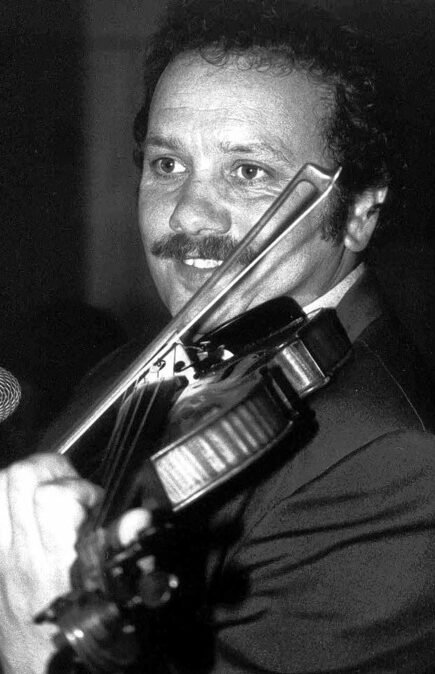
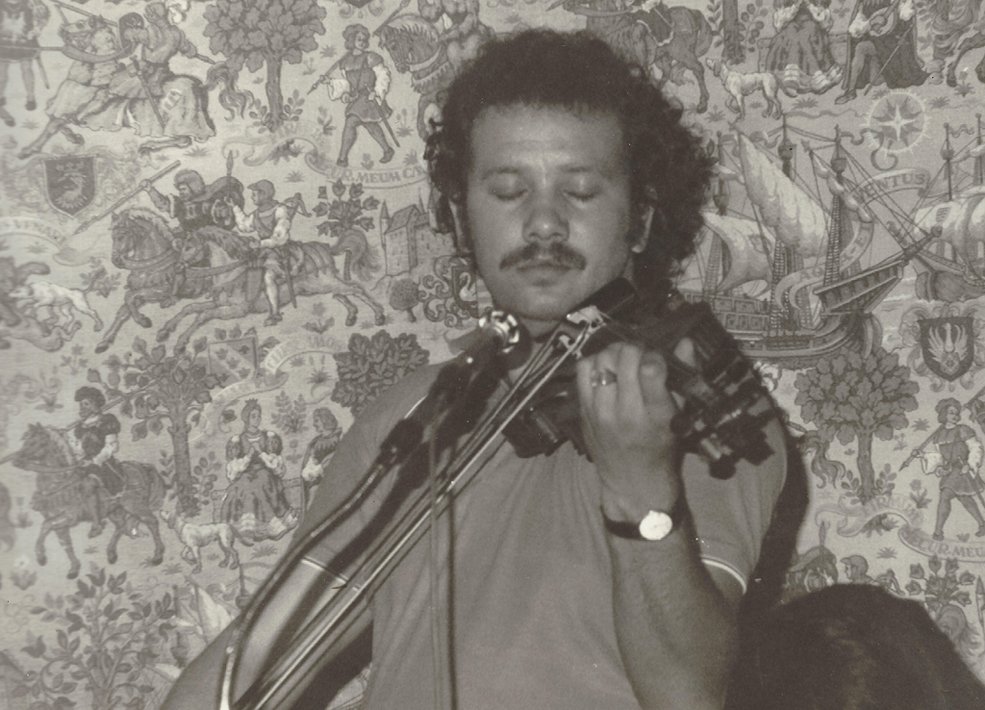
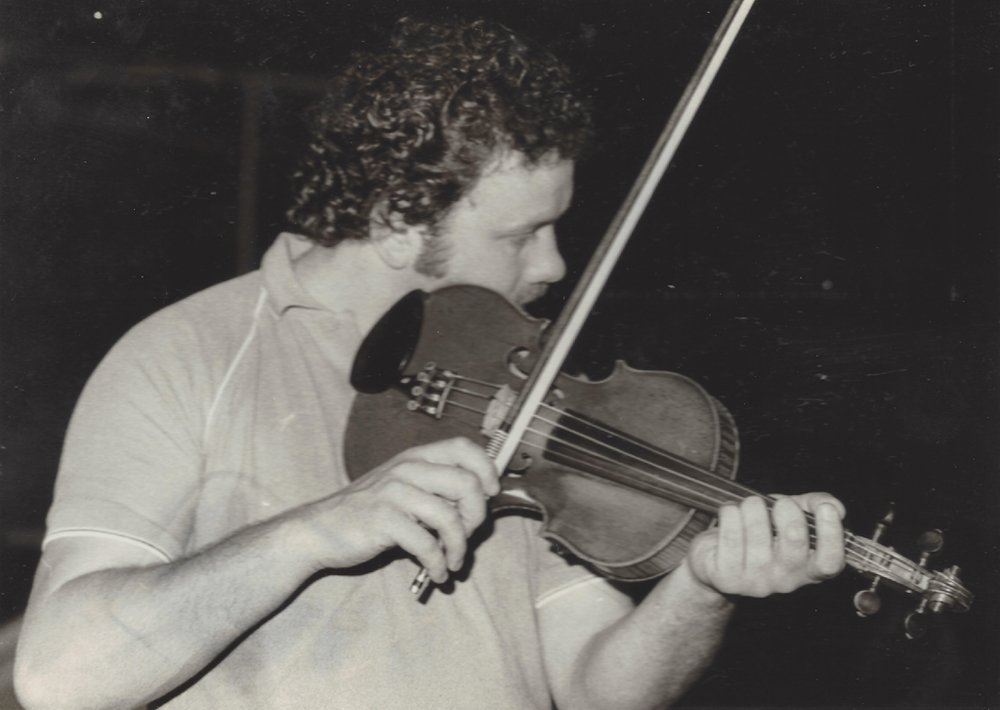
Titi Winterstein, born in Breisgau, Germany in 1956, had a remarkable musical journey influenced by his father Tokeli and uncle who survived the horrors of Auschwitz and Buchenwald during World War II. At just 8 years old, Titi began learning the violin from his father and made his first stage appearance at the age of 9 during a gypsy pilgrimage celebration in Illingen, Saarland. By the age of 12, he amazed the audience by playing swing standards of Schnuckenack Reinhardt, capturing the attention of the renowned violinist.
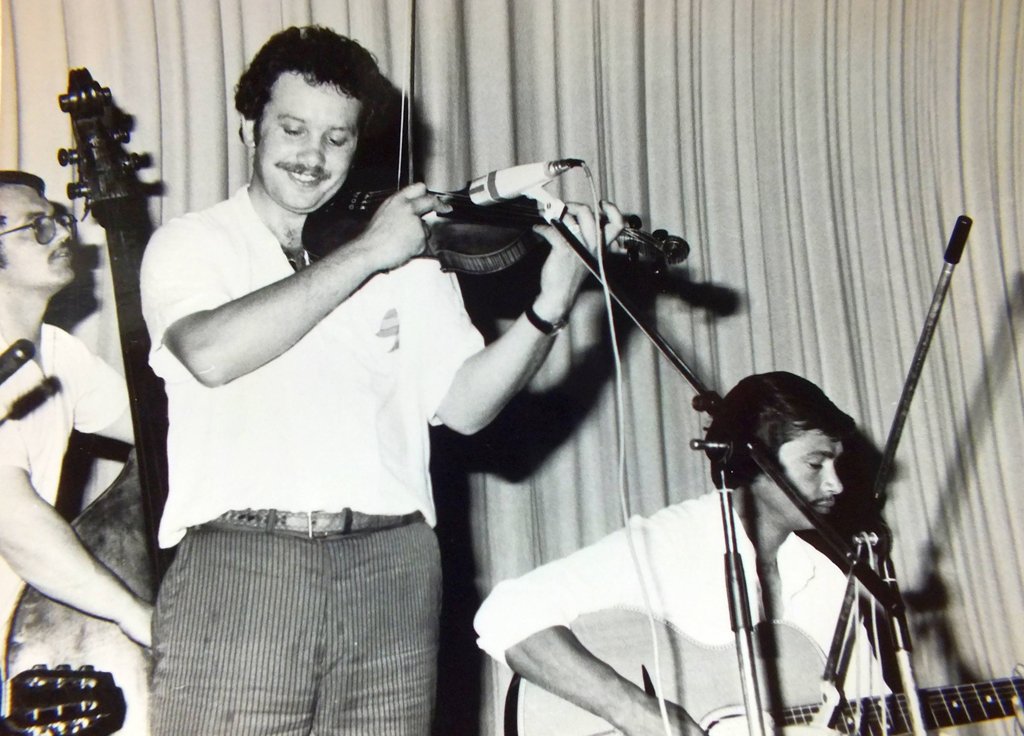
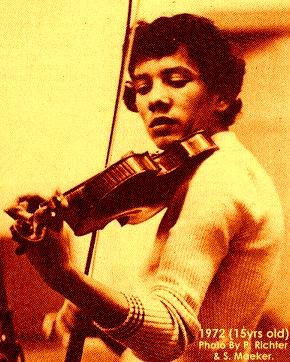
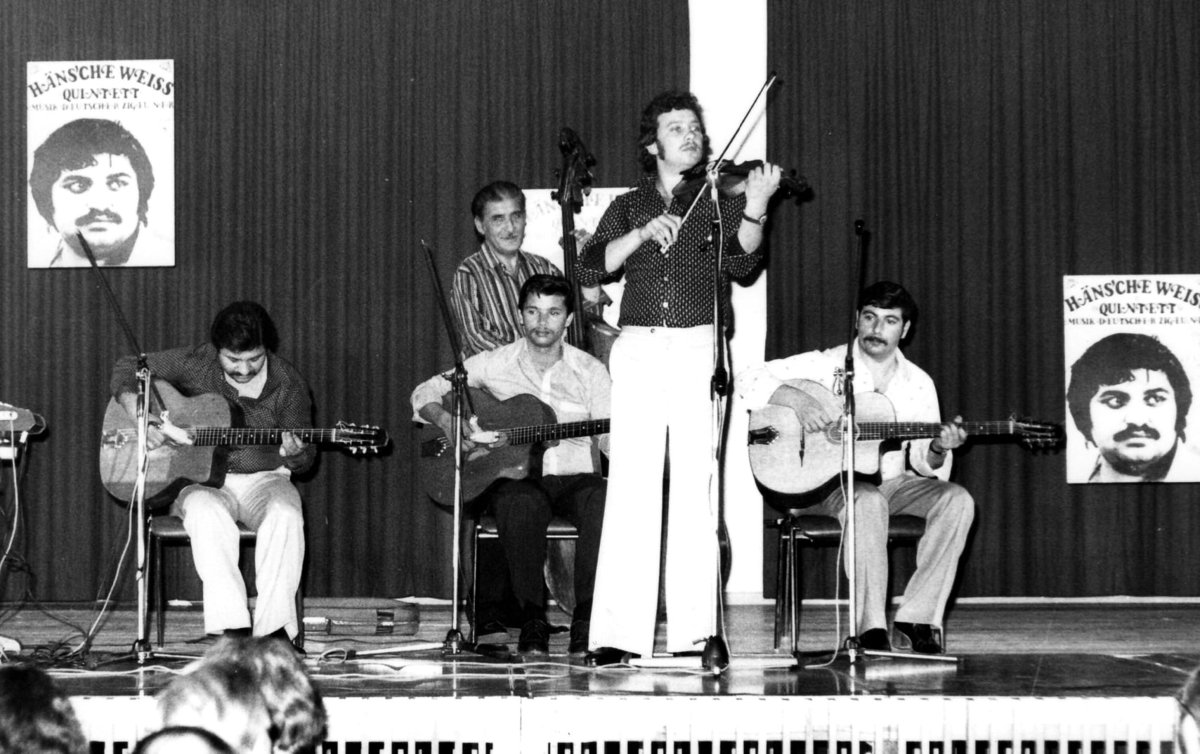
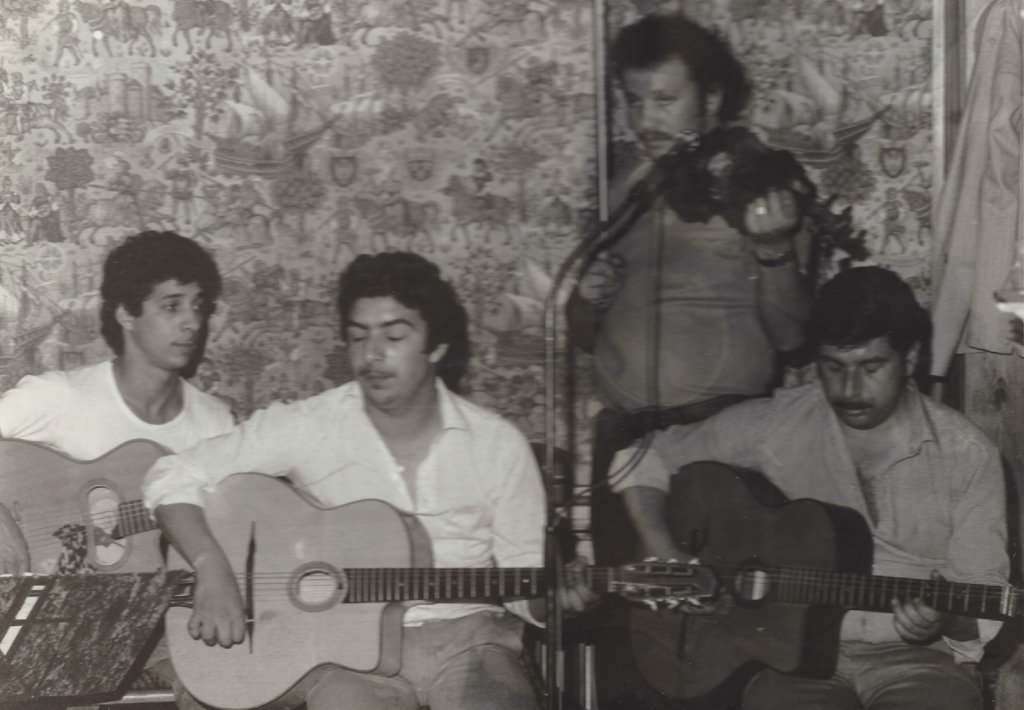
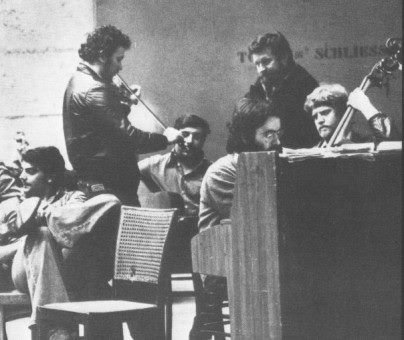
In 1972, Titi Winterstein's talent caught the attention of Häns'che Weiss, leading to his inclusion in the newly formed string quintet. The press hailed Titi as a child prodigy, and the quintet garnered widespread acclaim. Alongside Häns'che Weiss on violin and solo guitar, the group included Holzmanno and Ziroli Winterstein on guitar accompaniment, and Hojok Merstein on double bass, who also managed the group. The quintet released five albums, touring extensively throughout Europe, including memorable performances alongside Stéphane Grappelli's trio, resulting in exhilarating jam sessions between the two violinists.
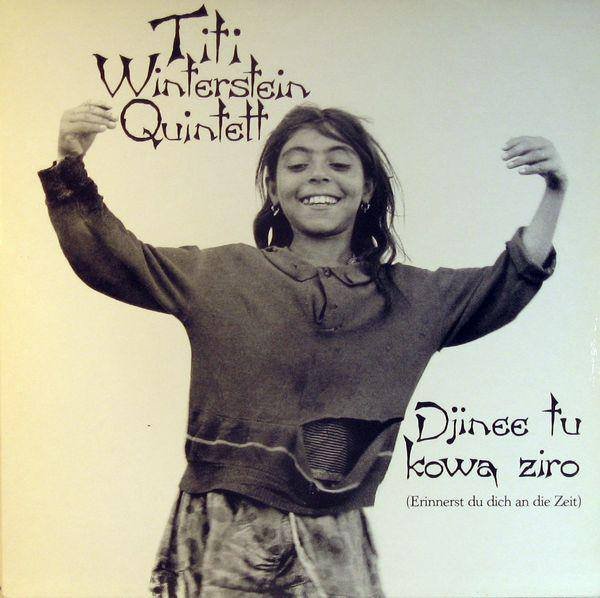
Following the quintet's success, Titi Winterstein established The Titi Winterstein Quintett officially on May 14, 1978, at the "Festival der Jugend" in Dortmund. The group welcomed pianist Silvano Lagrène and embarked on a documentary project called "Saitenstrassen," showcasing the musicians and their families during their summer travels. Titi Winterstein's collaboration with harpist Lee Reed resulted in his first LP, and a second documentary was filmed at the Darmstadt Festival in 1979. The band's third album, "Djinee To Kowa Ziro," was recorded in 1985, featuring new members Klaus Bruder on accordion, Peter Gropp on bass, and Reinhardt Geisel on guitar.
The Titi Winterstein Quintett actively advocated for the rights of Gypsies and Roma, participating in various movements defending human rights. They recorded the beautiful album "Live mit Vanessa & Sorba Merstein" in 1987, featuring musicians from Poland who brought Roma songs from Eastern Europe. The quintet's accomplishments continued with appearances in the TV series "Tatort" and the "World Festival 89" in Atlanta, Georgia, USA. In 1993, Titi performed with Yehudi Menuhin in Brussels, and his participation in a documentary on the Gypsy and Jewish communities further showcased his cultural contributions. The album "Maro Djipen Rehear" in 1994 highlighted Titi's collaboration with pianist Silvano Lagrène.
Titi Winterstein's musical legacy lives on through his extensive discography, including the notable compilation "Starportrait" released in 1999. Although he passed away on June 14, 2008, his contributions to Gypsy jazz and his tireless advocacy for human rights continue to inspire and resonate with audiences worldwide.
https://youtu.be/yG45rZeNtsM
Titi Winterstein, nacido en Breisgau, Alemania, en 1956, tuvo una trayectoria musical notable, influida por su padre Tokeli y por un tío que sobrevivió a los horrores de Auschwitz y Buchenwald durante la Segunda Guerra Mundial. A los 8 años, Titi empezó a aprender violín con su padre y debutó en el escenario a los 9, durante una celebración de peregrinación gitana en Illingen, Saarland. A los 12 años, sorprendió al público al tocar standards de swing de Schnuckenack Reinhardt, lo que llamó la atención del reconocido violinista.
En 1972, el talento de Titi Winterstein llamó la atención de Häns'che Weiss, y así fue incluido en el quinteto de cuerdas recién formado. La prensa lo consideró un niño prodigio, y el quinteto obtuvo una gran aclamación. Junto a Häns'che Weiss en violín y guitarra solista, el grupo incluía a Holzmanno y Ziroli Winterstein como guitarras de acompañamiento, y a Hojok Merstein en contrabajo, quien además se encargaba de la gestión del grupo. El quinteto editó cinco álbumes y recorrió Europa extensamente, con presentaciones memorables junto al trío de Stéphane Grappelli, que dieron lugar a sesiones de improvisación apasionantes entre los dos violinistas.
Tras el éxito del quinteto, Titi Winterstein fundó oficialmente The Titi Winterstein Quintett el 14 de mayo de 1978, en el "Festival der Jugend" de Dortmund. El grupo incorporó al pianista Silvano Lagrène y emprendió un proyecto documental llamado "Saitenstrassen", que mostraba a los músicos y sus familias durante sus viajes de verano. La colaboración de Titi Winterstein con la arpista Lee Reed dio lugar a su primer LP, y en 1979 se filmó un segundo documental en el Festival de Darmstadt. El tercer álbum de la banda, "Djinee To Kowa Ziro", se grabó en 1985, con los nuevos integrantes Klaus Bruder en acordeón, Peter Gropp en bajo y Reinhardt Geisel en guitarra.
The Titi Winterstein Quintett militó activamente por los derechos de los gitanos y romaníes, y participó en diversos movimientos de defensa de los derechos humanos. En 1987 grabaron el hermoso álbum "Live mit Vanessa & Sorba Merstein", con músicos de Polonia que trajeron canciones romaníes de Europa del Este. Los logros del quinteto continuaron con apariciones en la serie de televisión "Tatort" y en el "World Festival 89" de Atlanta, Georgia, Estados Unidos. En 1993, Titi tocó con Yehudi Menuhin en Bruselas, y su participación en un documental sobre las comunidades gitana y judía reforzó su aporte cultural. El álbum "Maro Djipen Rehear", de 1994, destacó la colaboración de Titi con el pianista Silvano Lagrène.
El legado musical de Titi Winterstein sigue vivo a través de su extensa discografía, que incluye la compilación "Starportrait", editada en 1999. Aunque falleció el 14 de junio de 2008, sus aportes al gypsy jazz y su incansable defensa de los derechos humanos siguen inspirando y resonando en el público de todo el mundo.
https://youtu.be/yG45rZeNtsM
Titi Winterstein, né en 1956 à Breisgau, en Allemagne, a connu un parcours musical remarquable, influencé par son père Tokeli et par un oncle qui a survécu aux horreurs d'Auschwitz et de Buchenwald pendant la Seconde Guerre mondiale. À 8 ans, Titi commence à apprendre le violon avec son père et fait sa première apparition sur scène à 9 ans, lors d'une célébration de pèlerinage tzigane à Illingen, en Sarre. À 12 ans, il étonne le public en jouant des standards swing de Schnuckenack Reinhardt, ce qui attire l'attention du célèbre violoniste.
En 1972, le talent de Titi Winterstein retient l'attention de Häns'che Weiss, qui l'intègre au quintette à cordes nouvellement formé. La presse le salue comme un enfant prodige, et le quintette suscite une vive admiration. Aux côtés de Häns'che Weiss au violon et à la guitare solo, le groupe comprenait Holzmanno et Ziroli Winterstein à la guitare d'accompagnement, et Hojok Merstein à la contrebasse, qui assurait aussi la gestion du groupe. Le quintette a publié cinq albums et tourné largement à travers l'Europe, avec notamment des concerts mémorables aux côtés du trio de Stéphane Grappelli, qui ont donné lieu à des jam sessions enflammées entre les deux violonistes.
Après le succès du quintette, Titi Winterstein fonde officiellement The Titi Winterstein Quintett le 14 mai 1978, au « Festival der Jugend » de Dortmund. Le groupe accueille le pianiste Silvano Lagrène et entreprend un projet documentaire intitulé « Saitenstrassen », qui montre les musiciens et leurs familles au cours de leurs voyages d'été. La collaboration de Titi Winterstein avec la harpiste Lee Reed donne naissance à son premier LP, et un second documentaire est tourné au festival de Darmstadt en 1979. Le troisième album du groupe, « Djinee To Kowa Ziro », est enregistré en 1985, avec les nouveaux membres Klaus Bruder à l'accordéon, Peter Gropp à la basse et Reinhardt Geisel à la guitare.
The Titi Winterstein Quintett défend activement les droits des Tziganes et des Roms, et participe à divers mouvements de défense des droits humains. Ils enregistrent en 1987 le bel album « Live mit Vanessa & Sorba Merstein », avec des musiciens polonais qui apportent des chants roms d'Europe de l'Est. Le quintette poursuit son ascension avec des apparitions dans la série télévisée « Tatort » et au « World Festival 89 » d'Atlanta, en Géorgie, aux États-Unis. En 1993, Titi se produit avec Yehudi Menuhin à Bruxelles, et sa participation à un documentaire sur les communautés tzigane et juive témoigne de son apport culturel. L'album « Maro Djipen Rehear », sorti en 1994, met en lumière sa collaboration avec le pianiste Silvano Lagrène.
L'héritage musical de Titi Winterstein perdure à travers sa discographie riche, qui comprend la compilation « Starportrait », parue en 1999. Bien qu'il soit décédé le 14 juin 2008, sa contribution au gypsy jazz et son engagement infatigable pour les droits humains continuent d'inspirer et de toucher le public du monde entier.
https://youtu.be/yG45rZeNtsM