Biography
Biografía
El genio de la guitarra
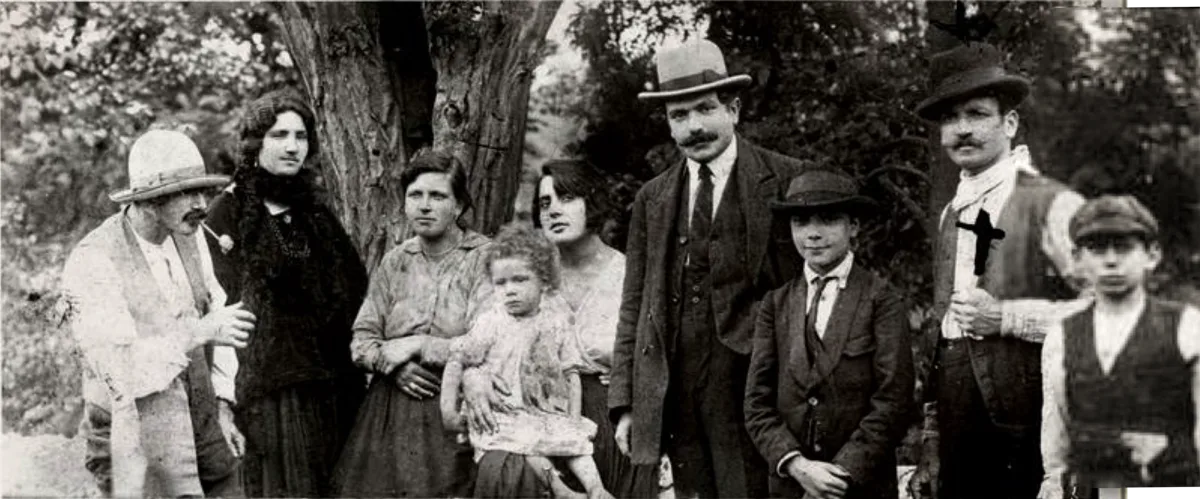
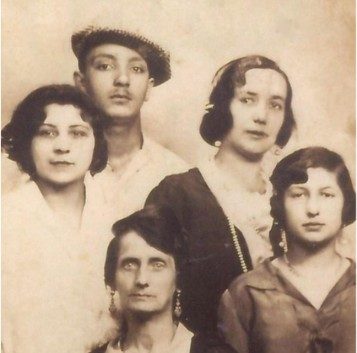
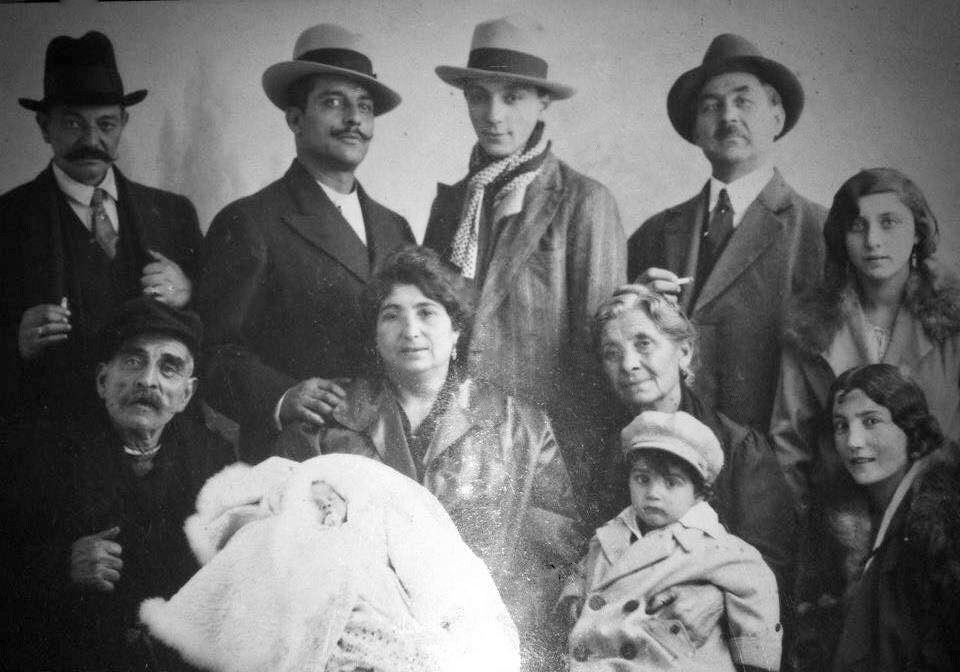
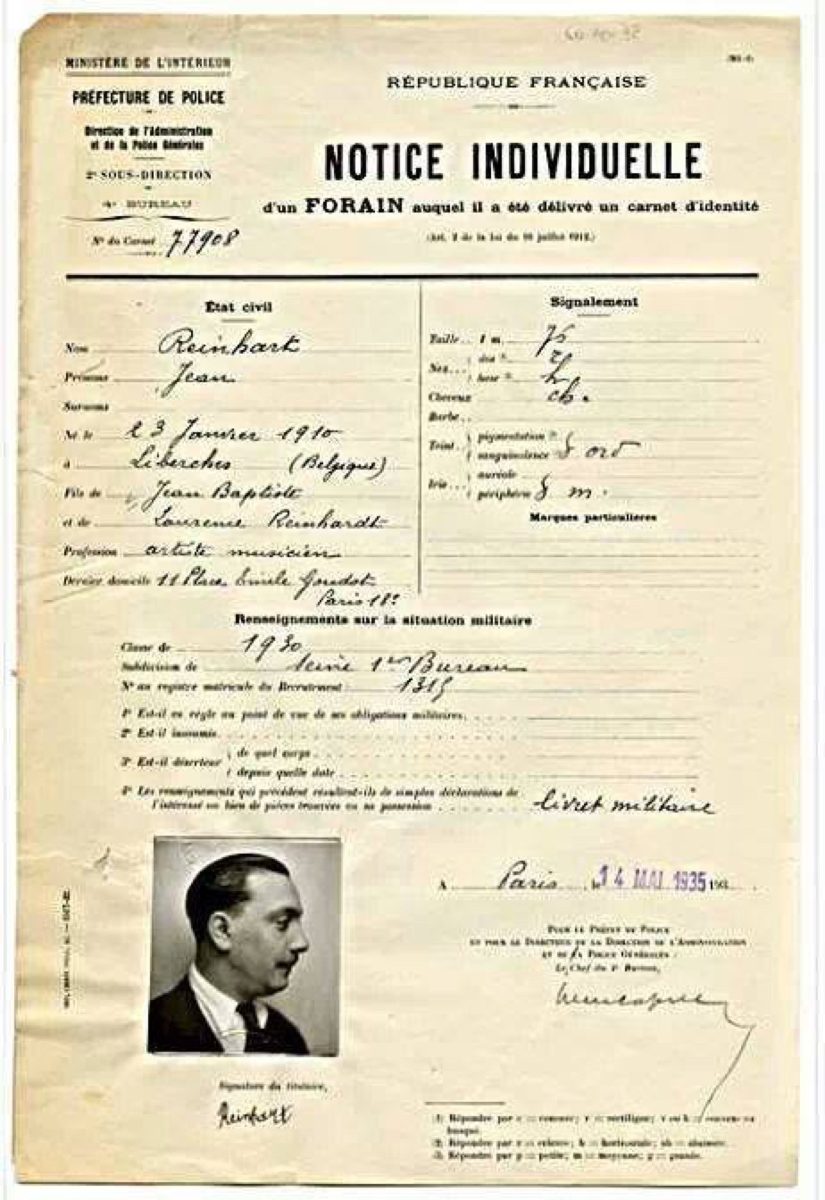
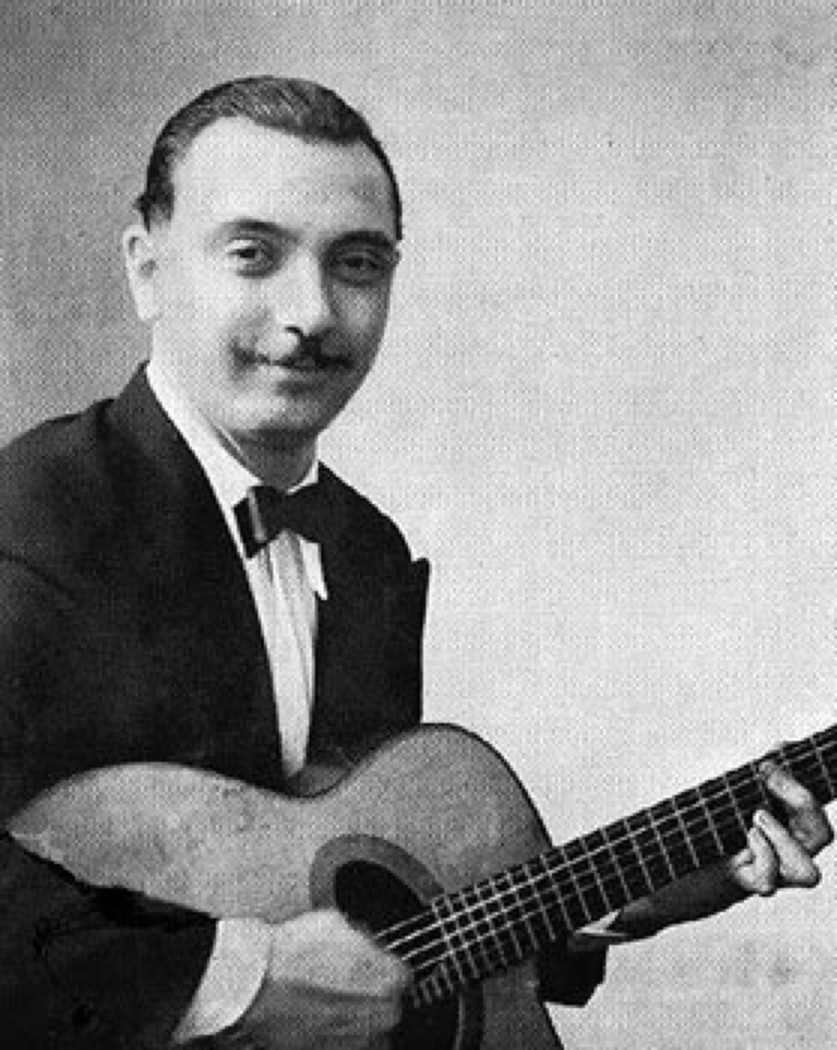
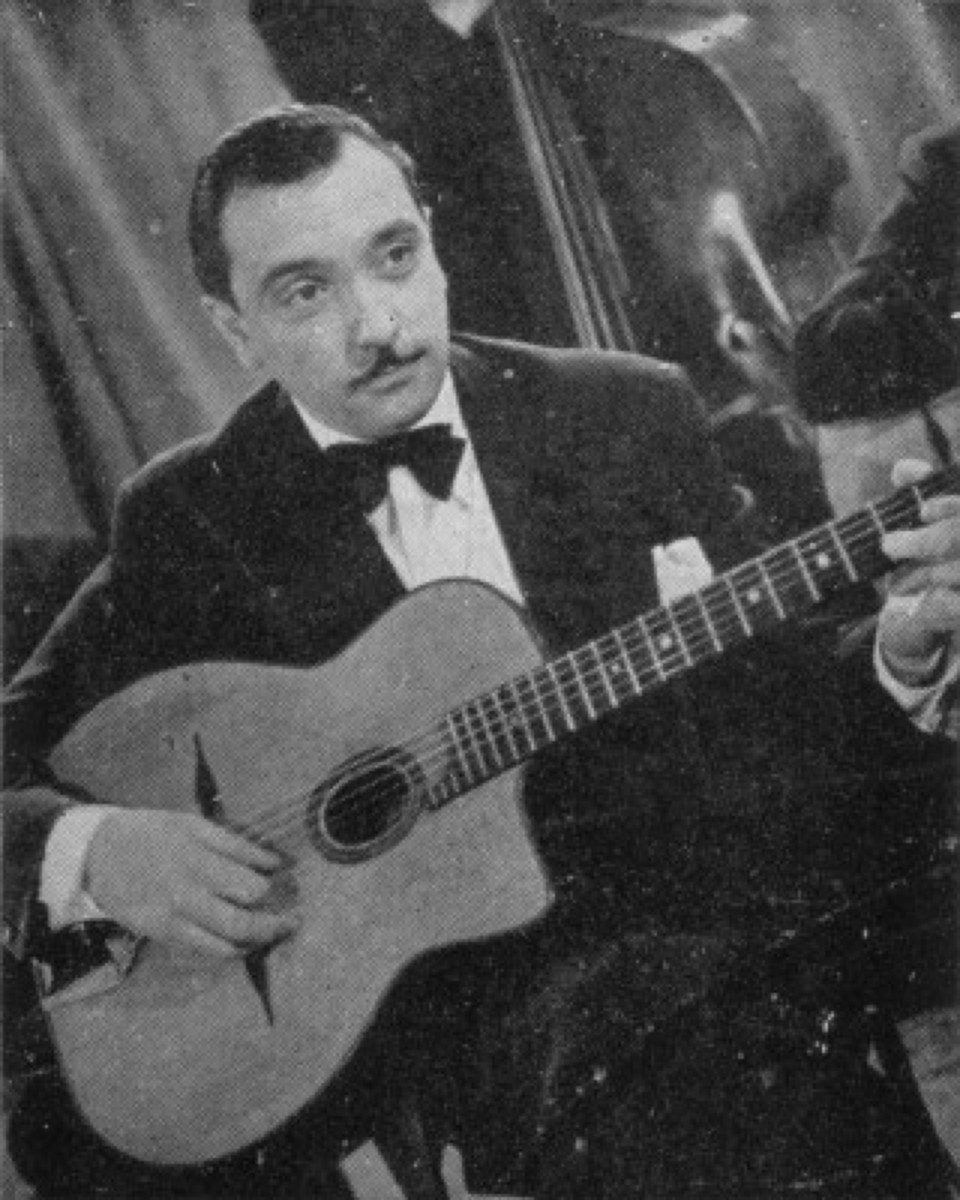
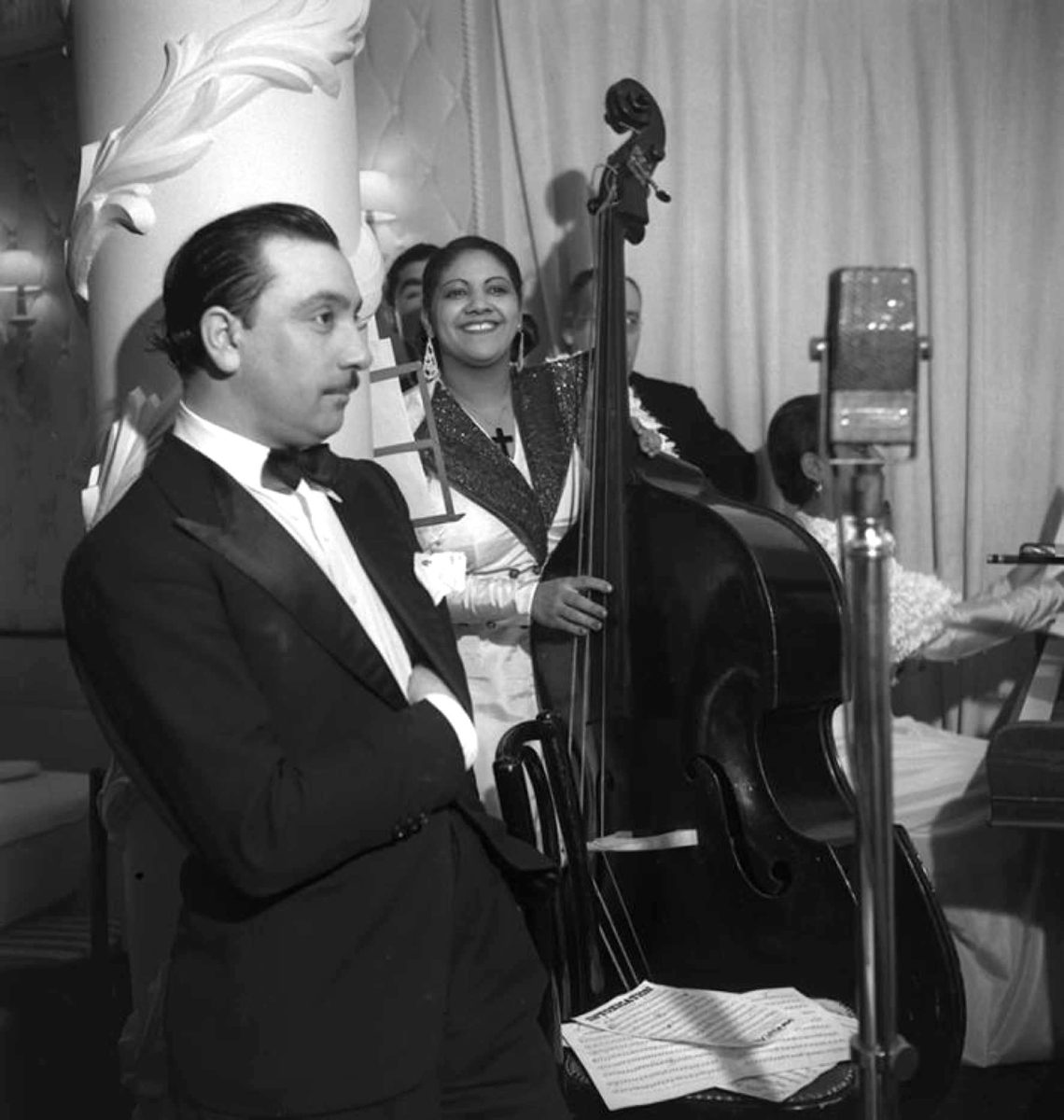
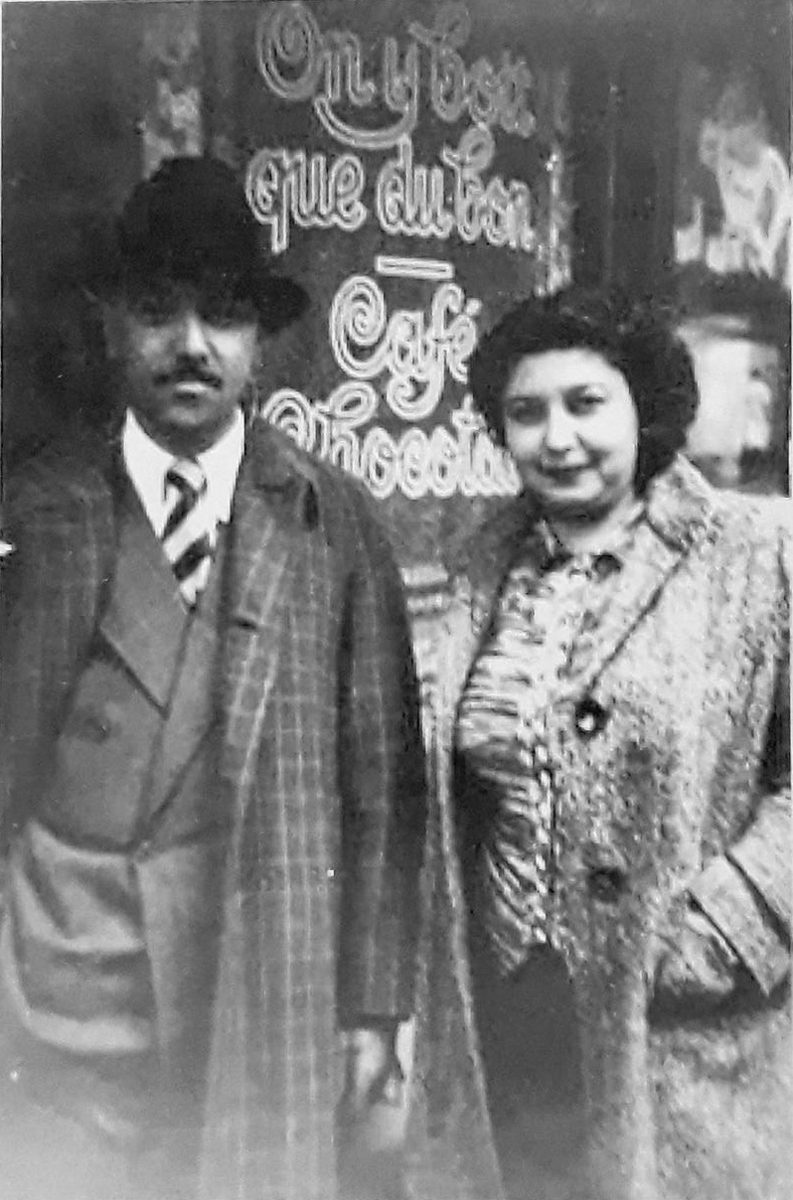
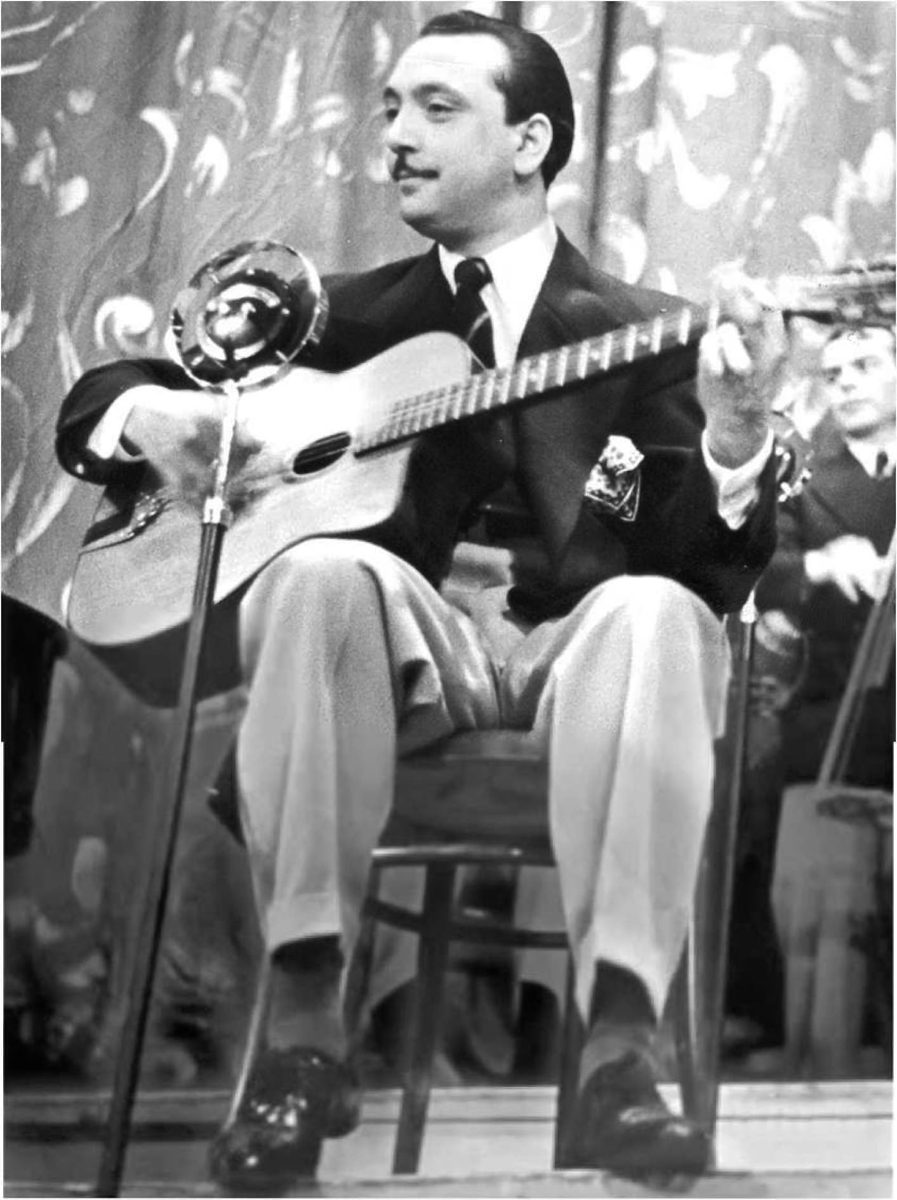
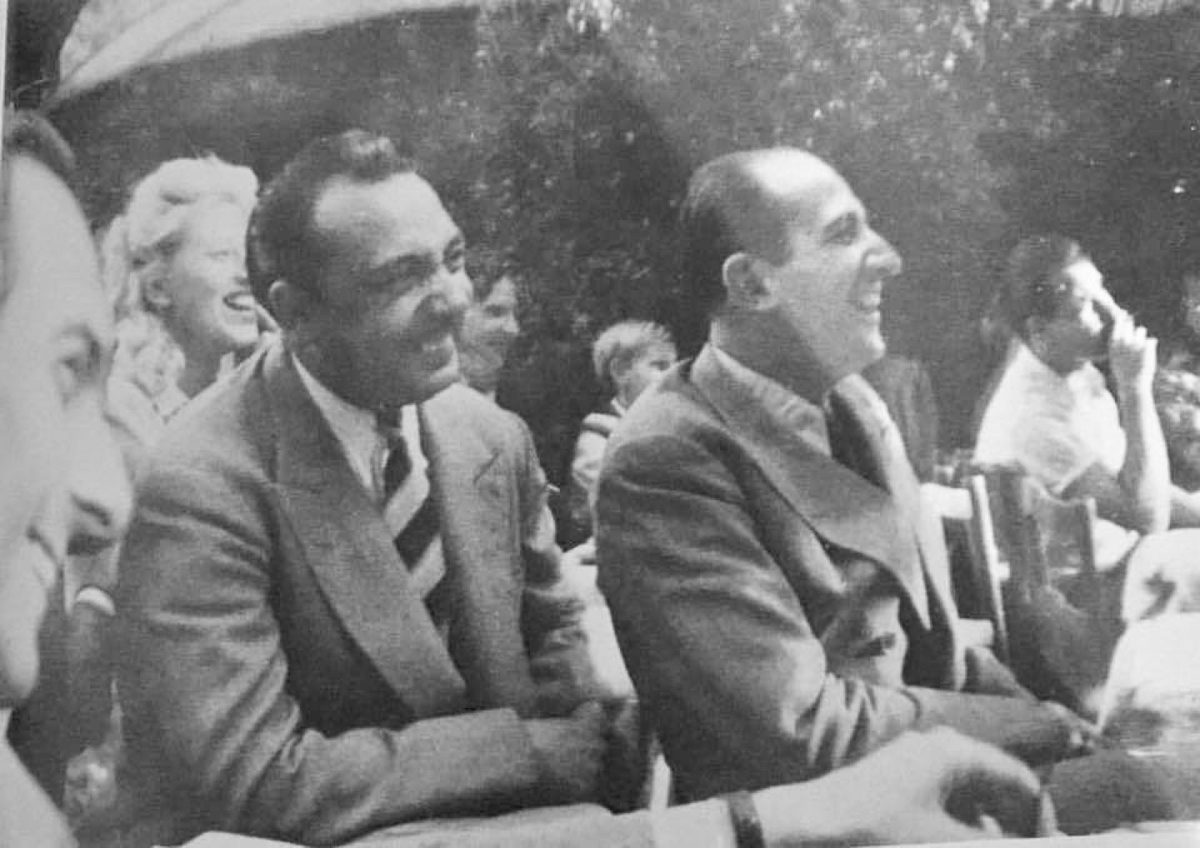
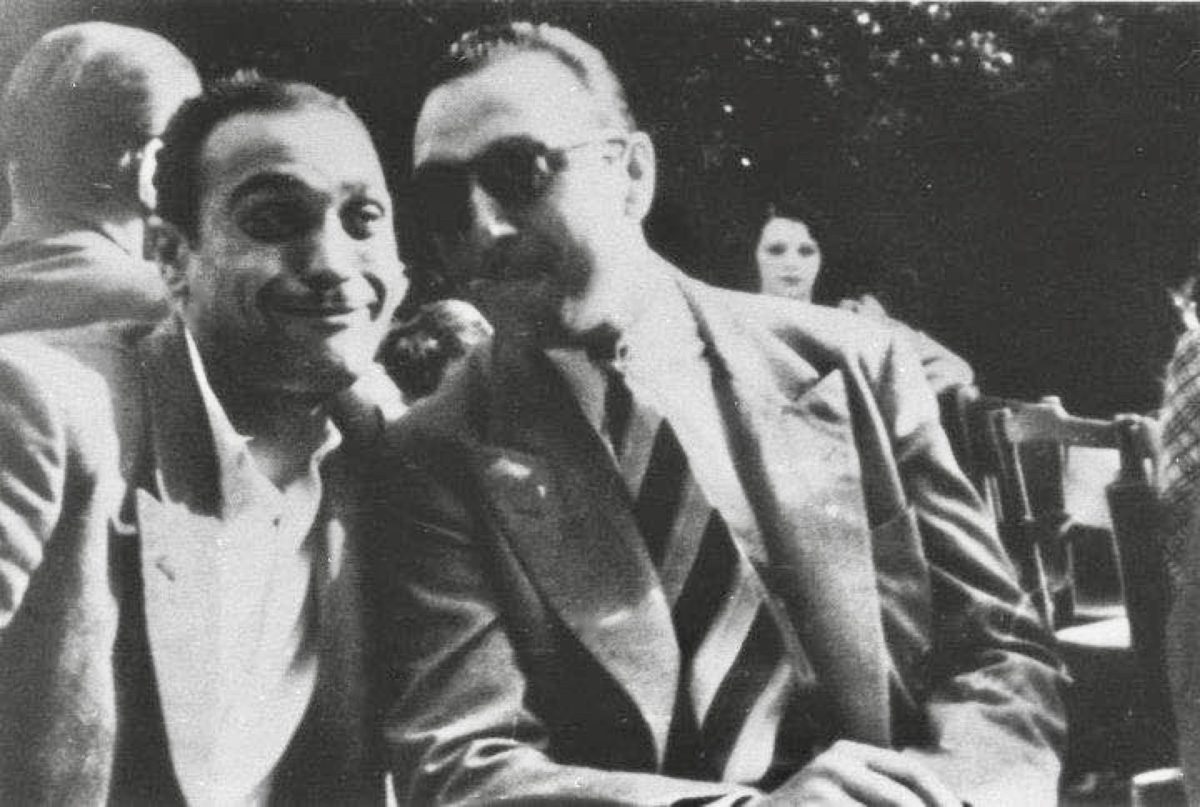
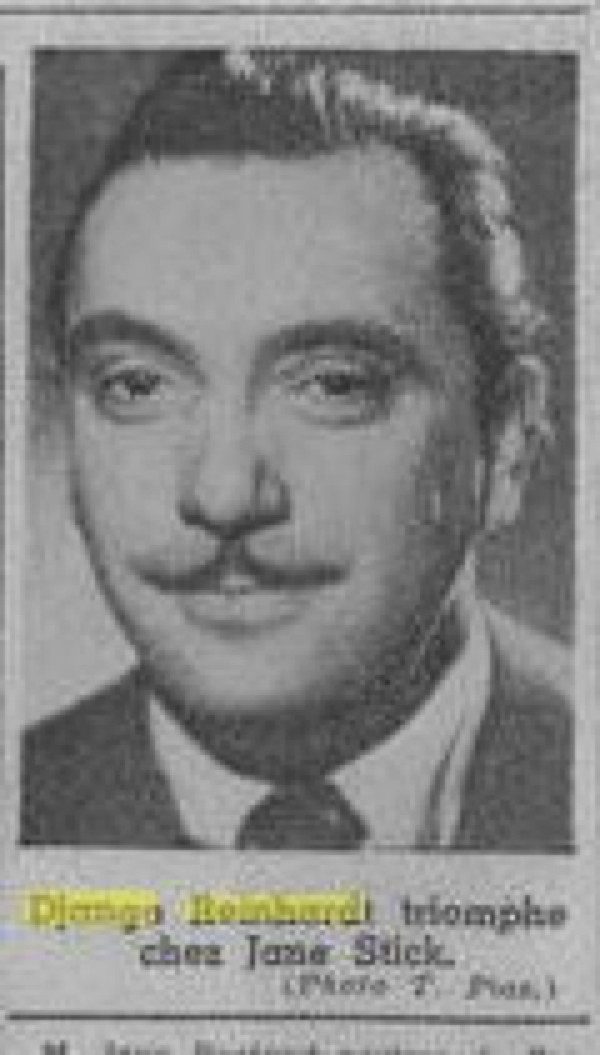
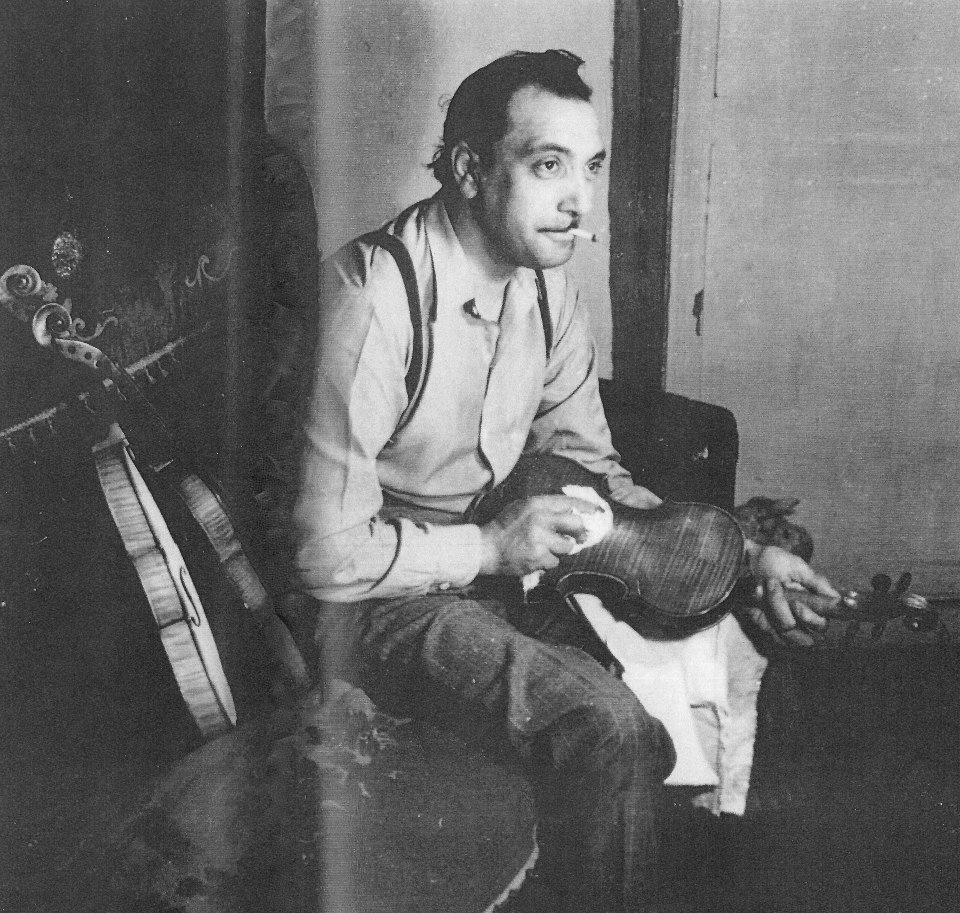
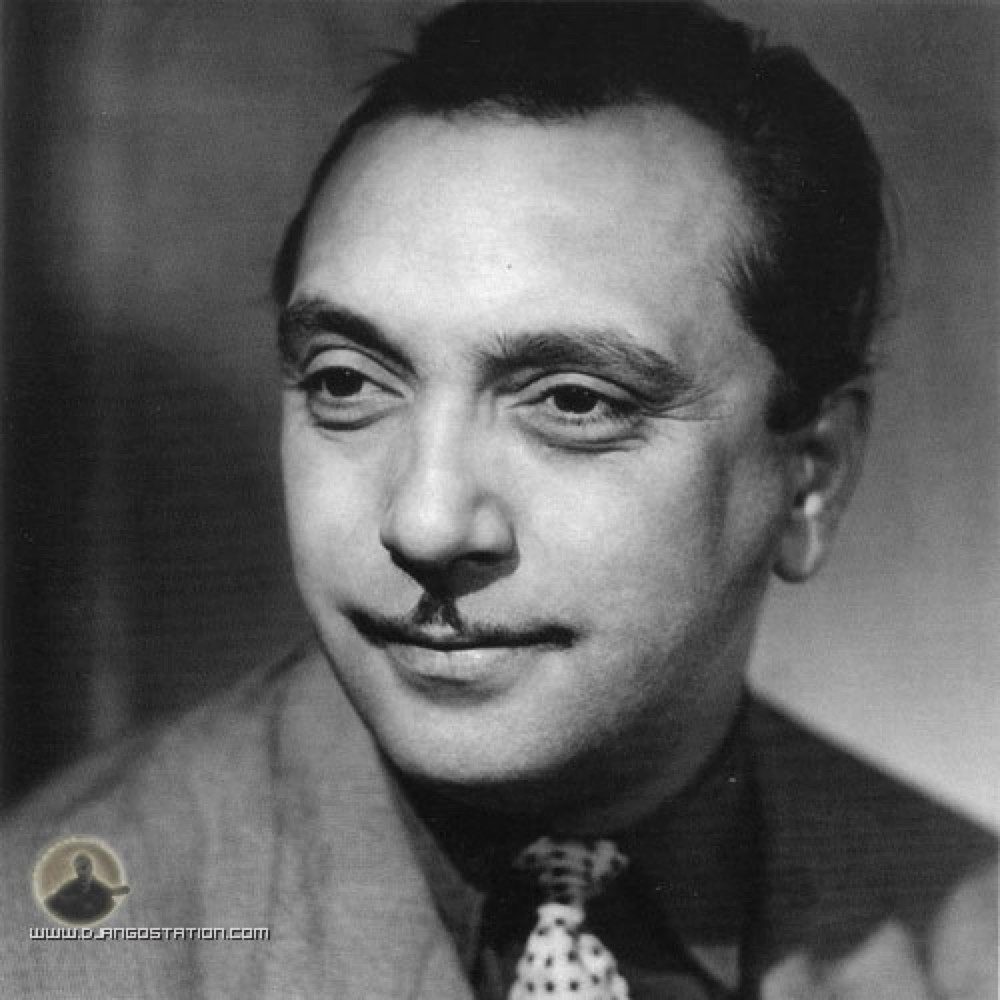
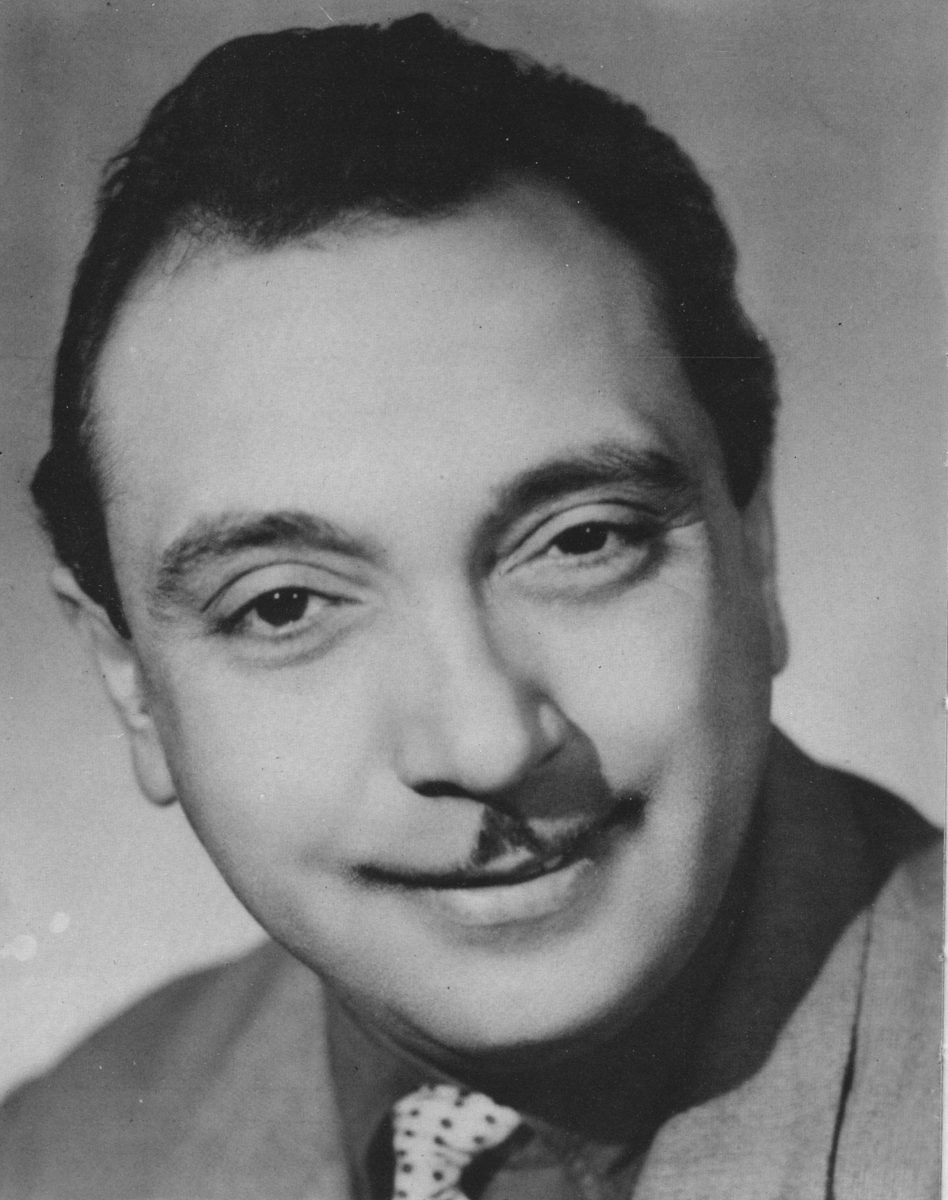
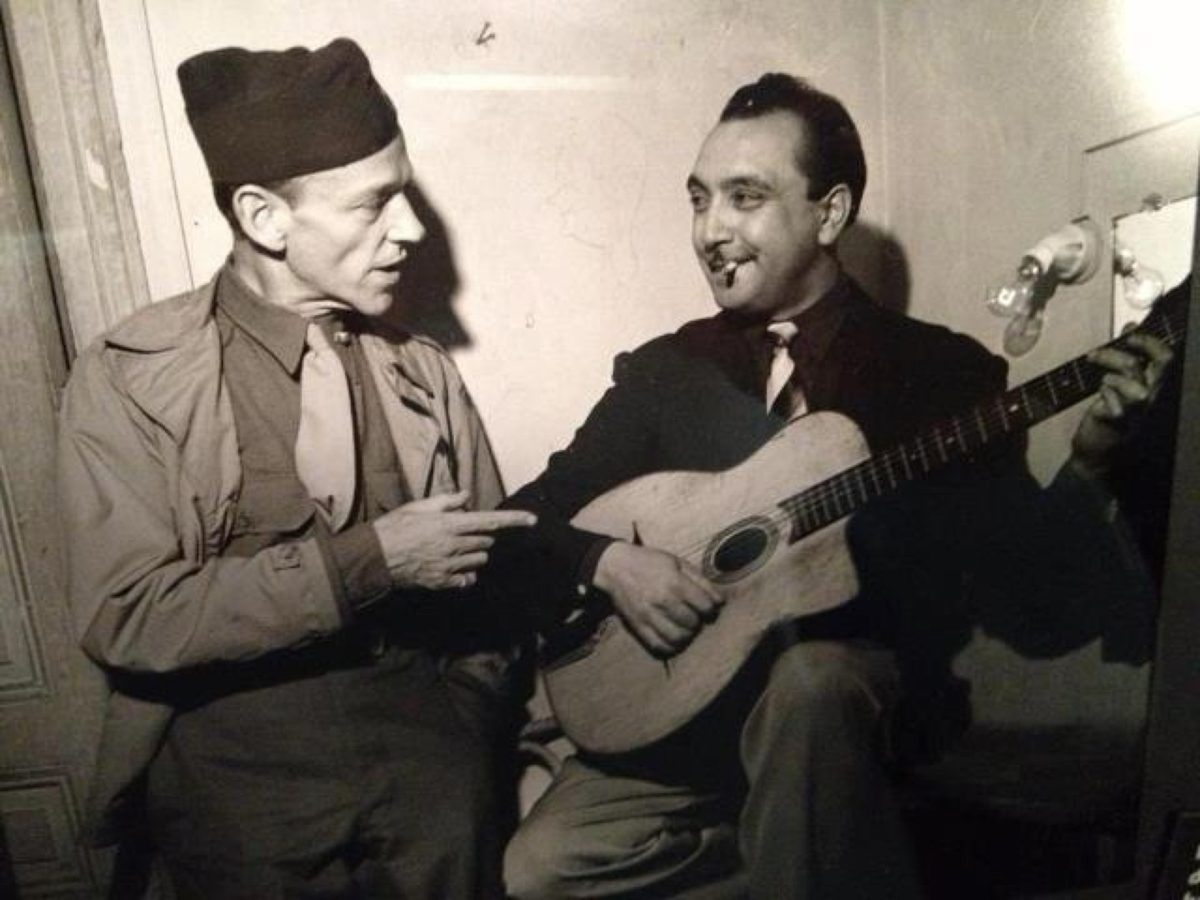
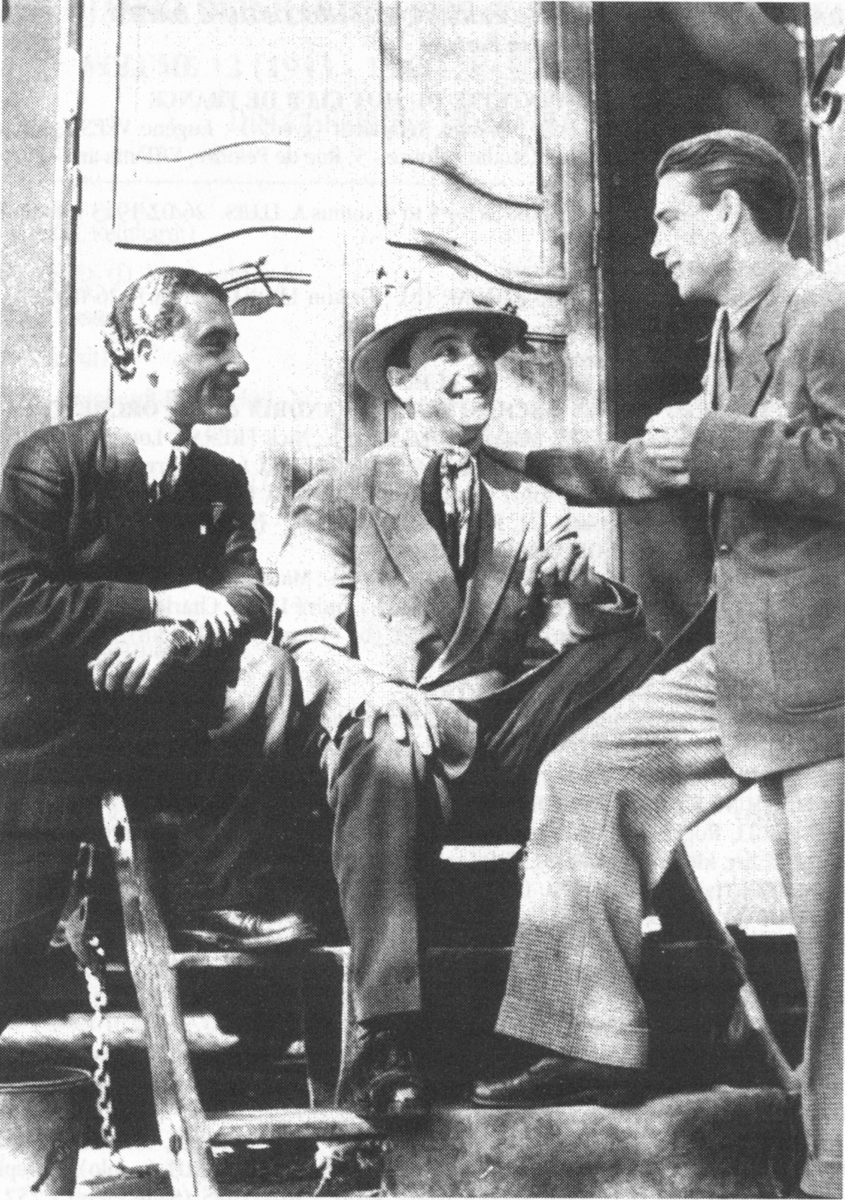
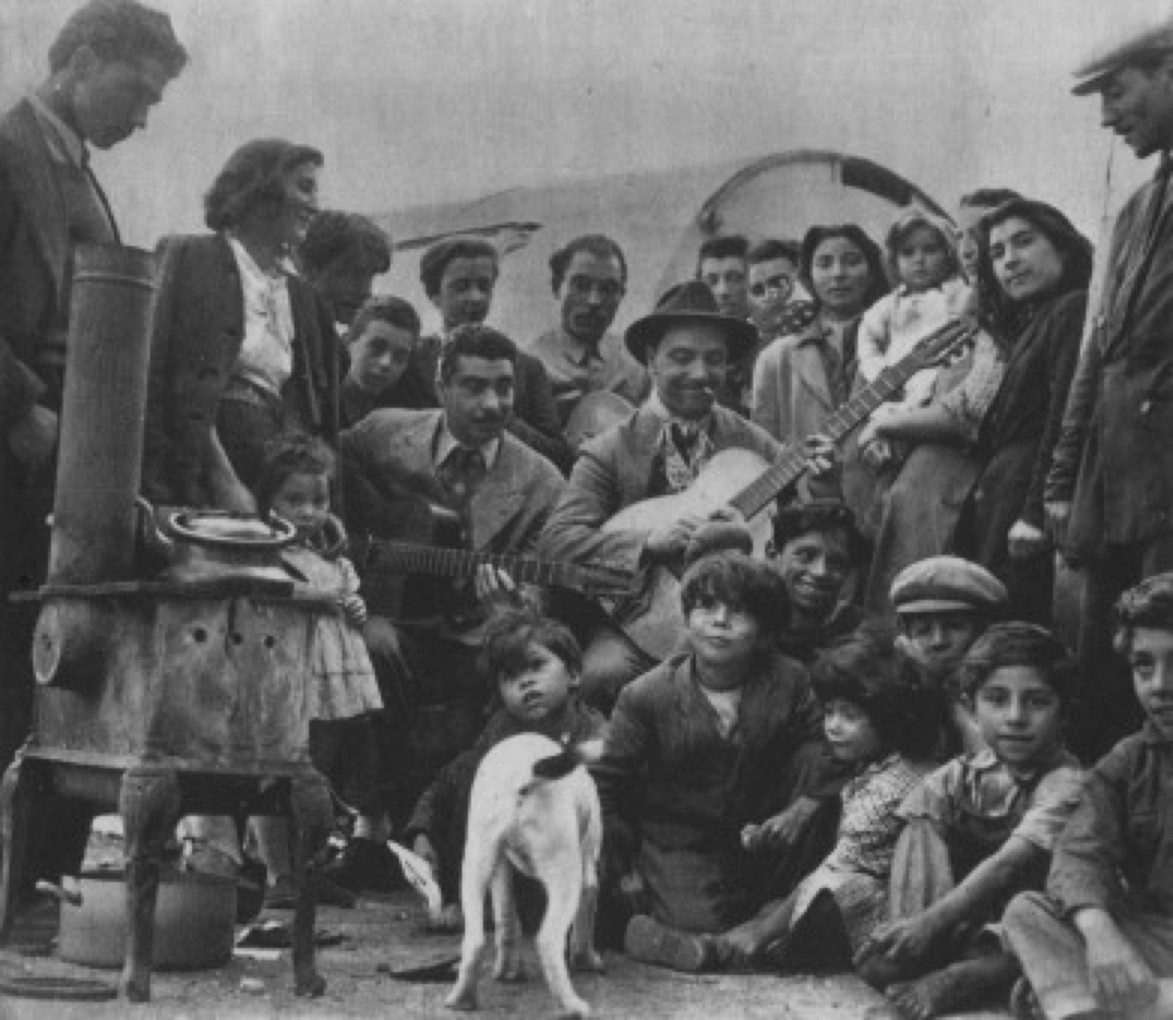
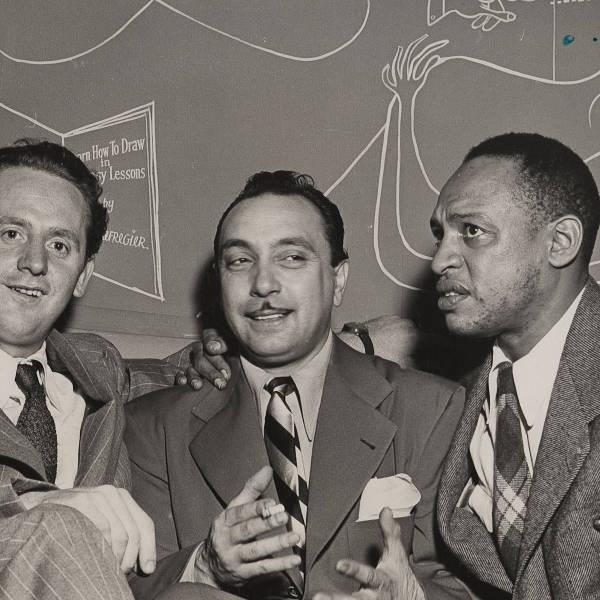
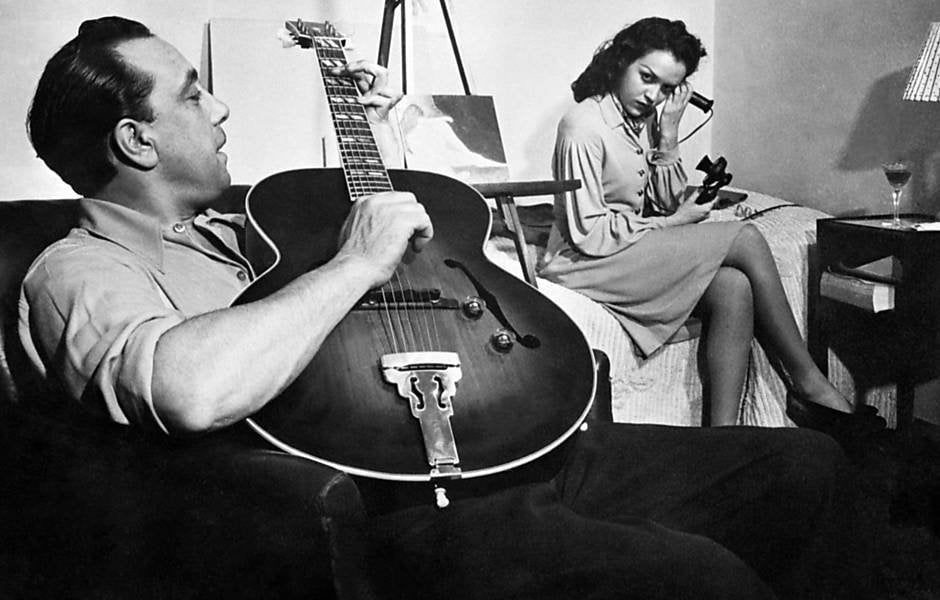
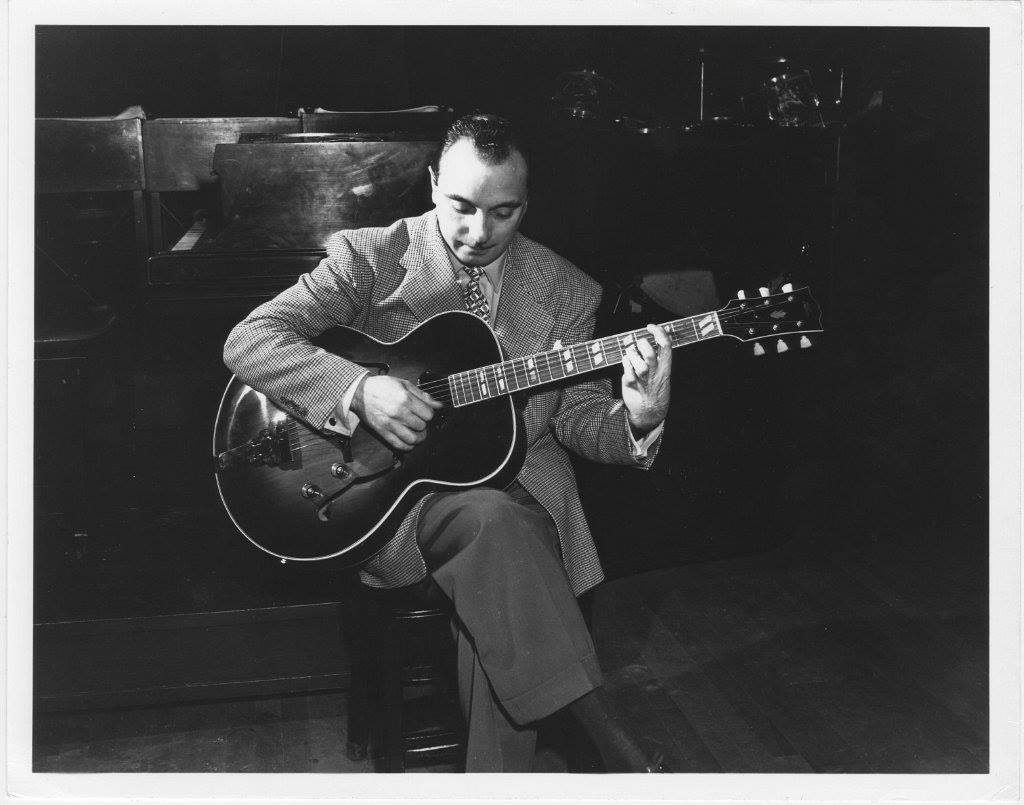
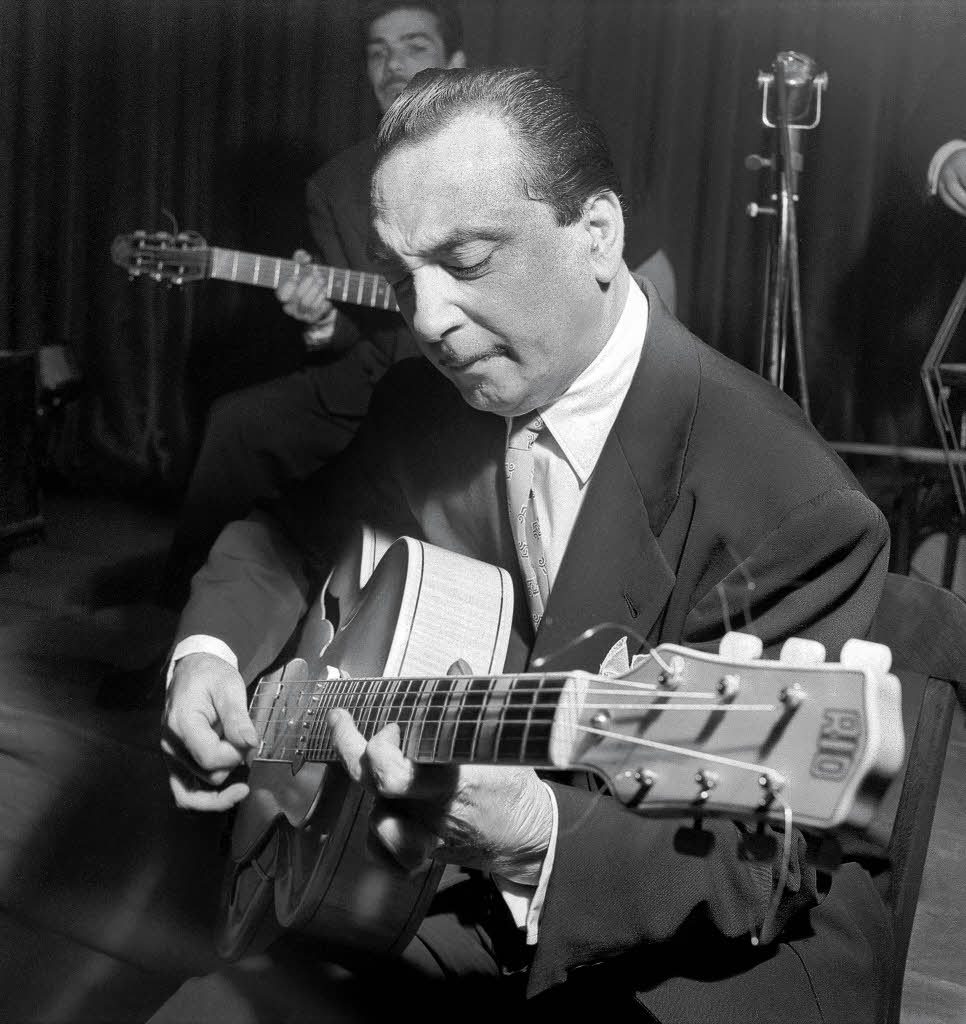
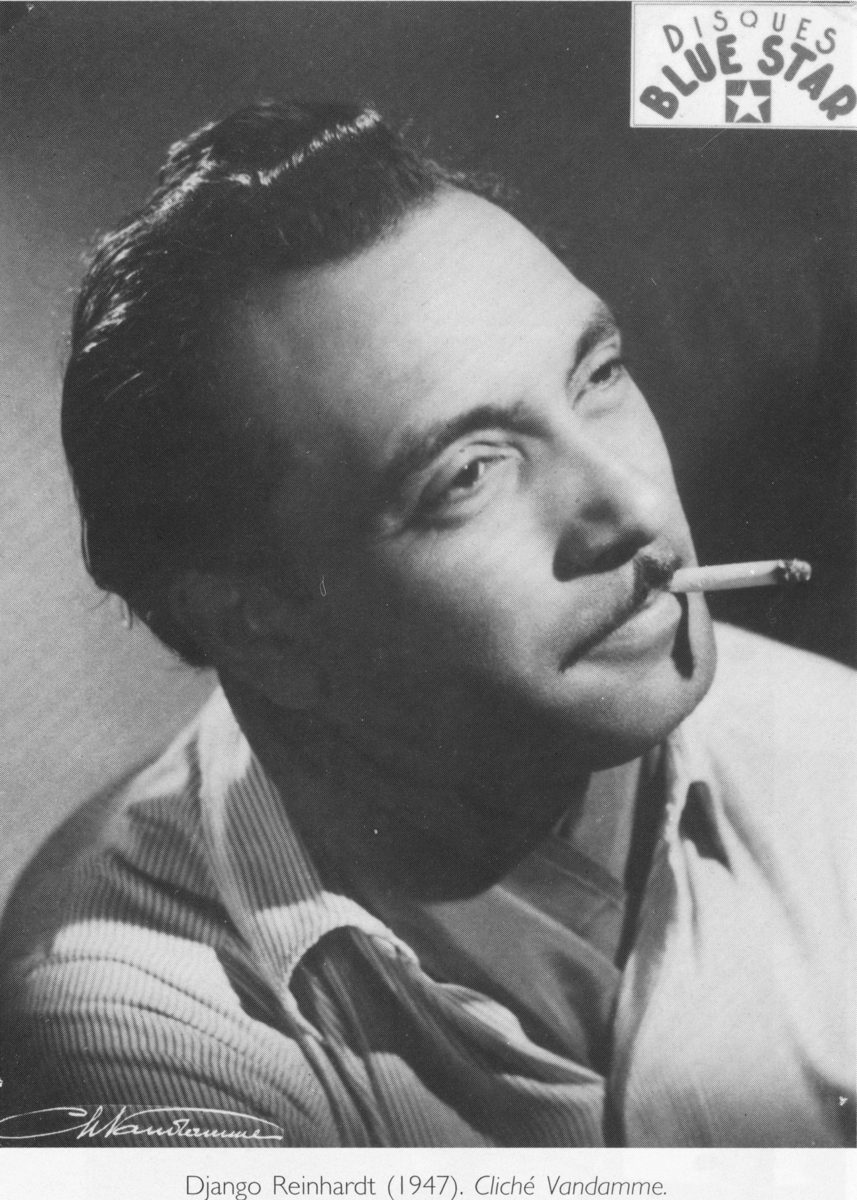
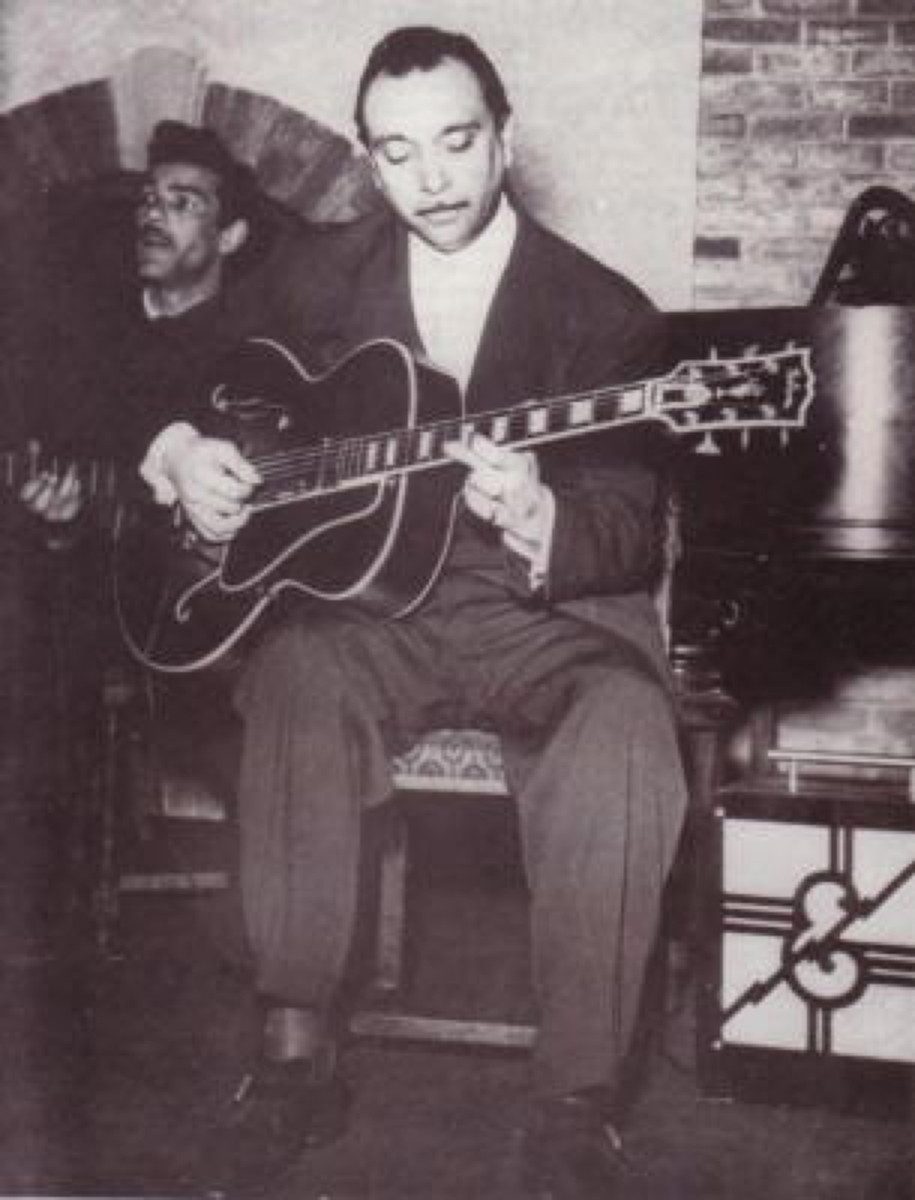
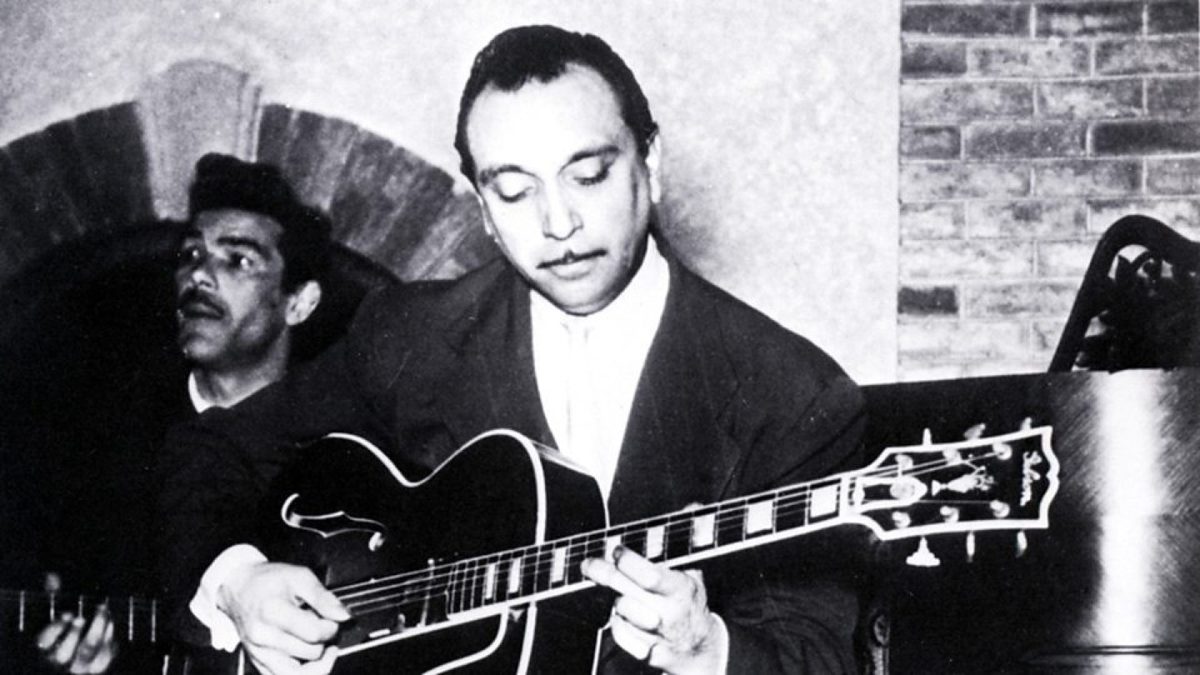
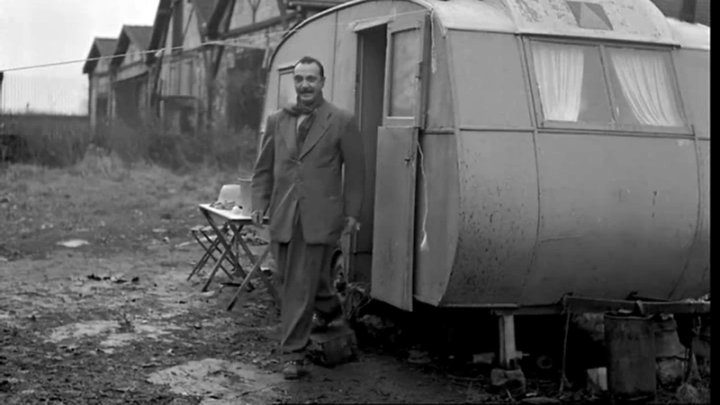
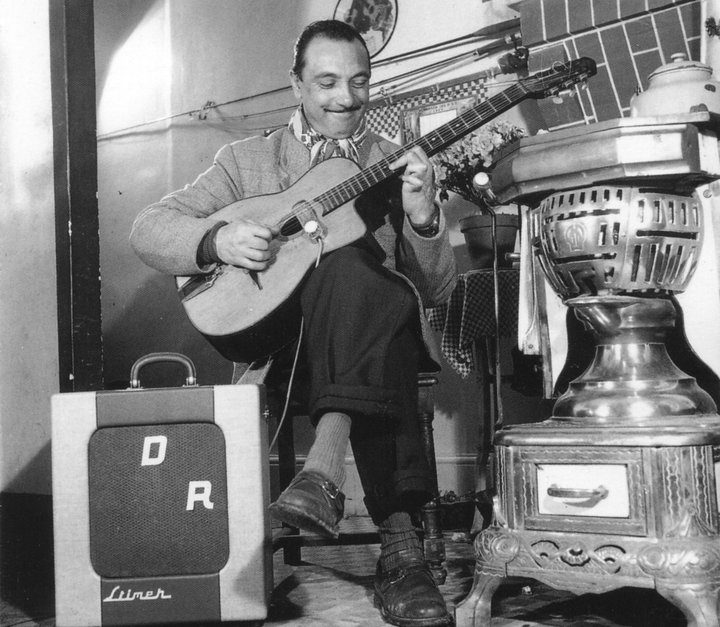
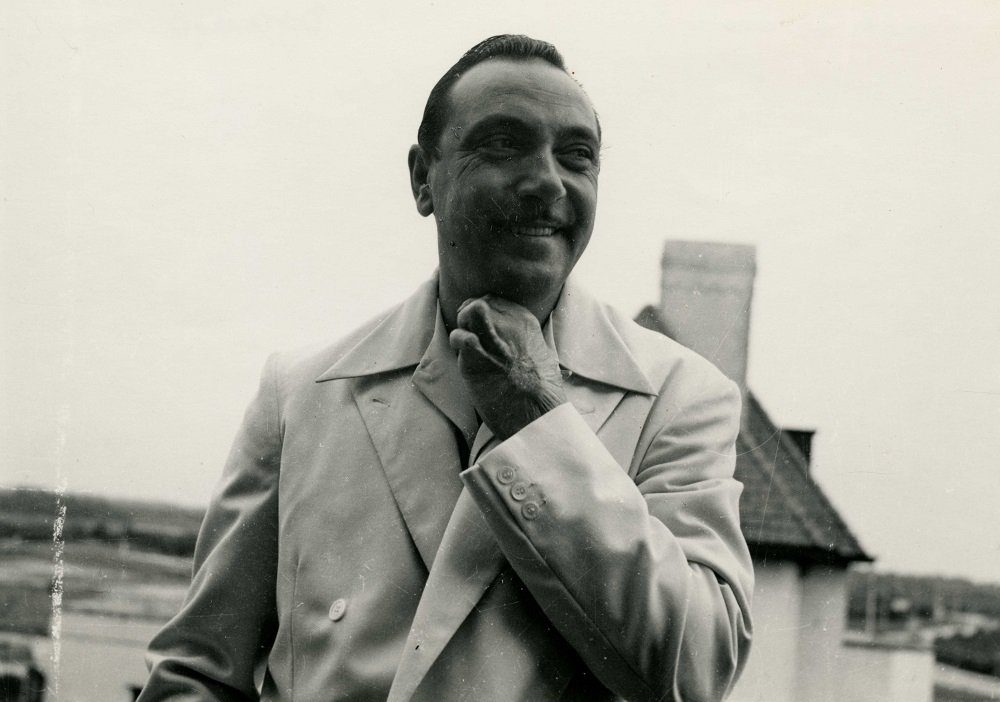
Django Reinhardt, nacido el 23 de enero de 1910 en una caravana, en la localidad belga de Liberchies, llegaría a ser uno de los guitarristas más venerados e influyentes de la historia del jazz. Criado en una familia de gitanos manouches, Django creció inmerso en un mundo lleno de música vibrante y de tradiciones rítmicas.
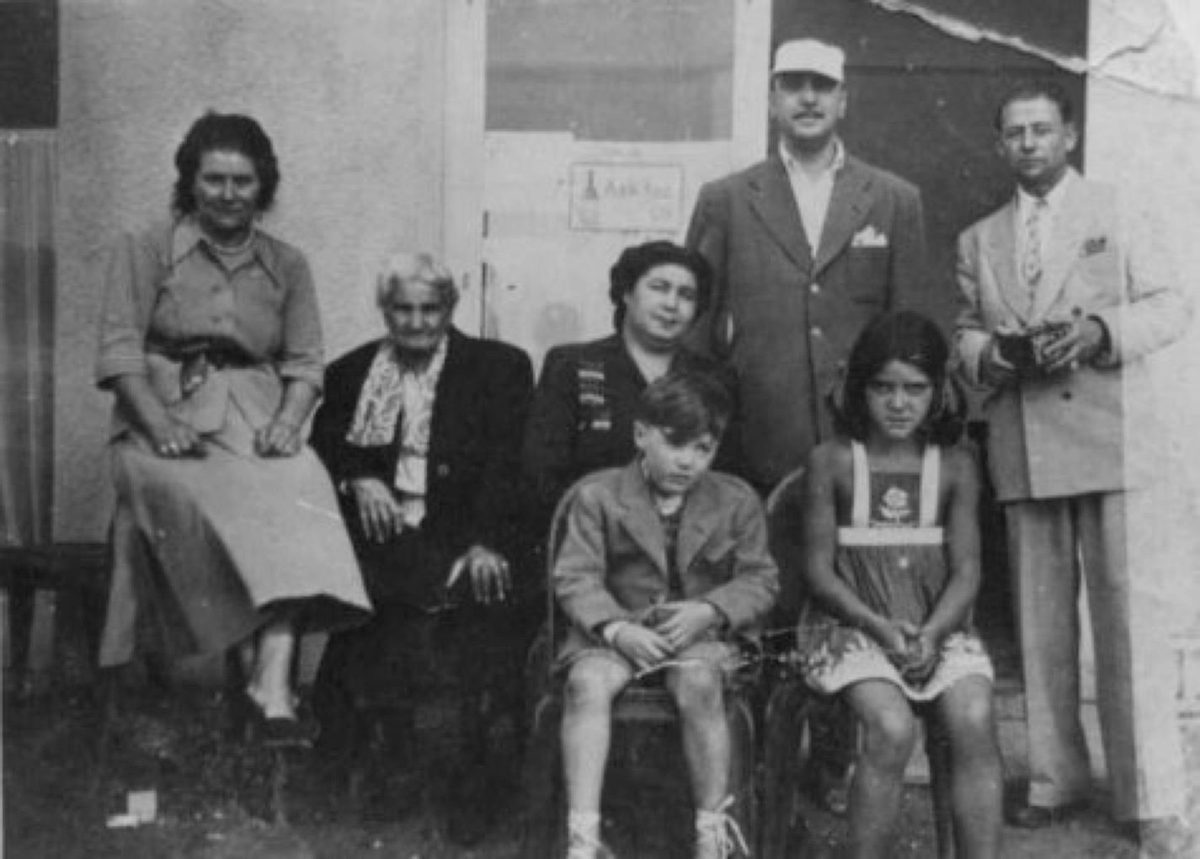
Desde muy pequeño, su pasión por la música fue alimentada por su padre, Jean Eugène Weiss, un músico habilidoso, y por su madre, Laurence "Négros" Reinhardt, bailarina. Fue en ese rico entorno musical donde comenzó a tomar forma el camino de Django como músico.
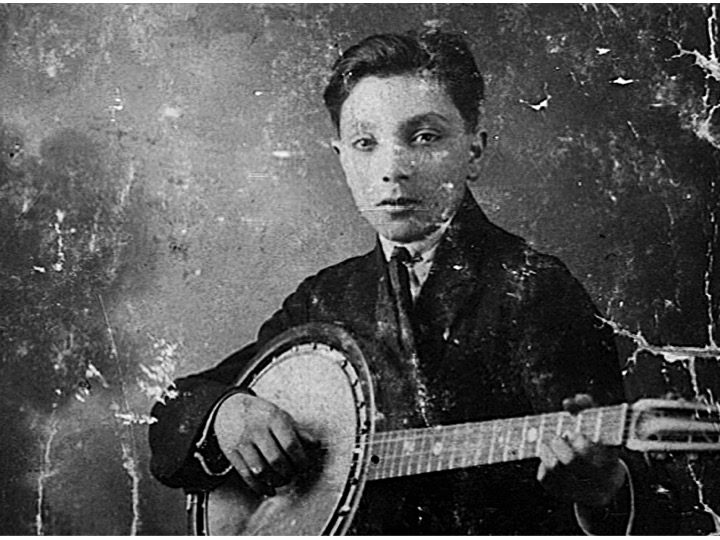
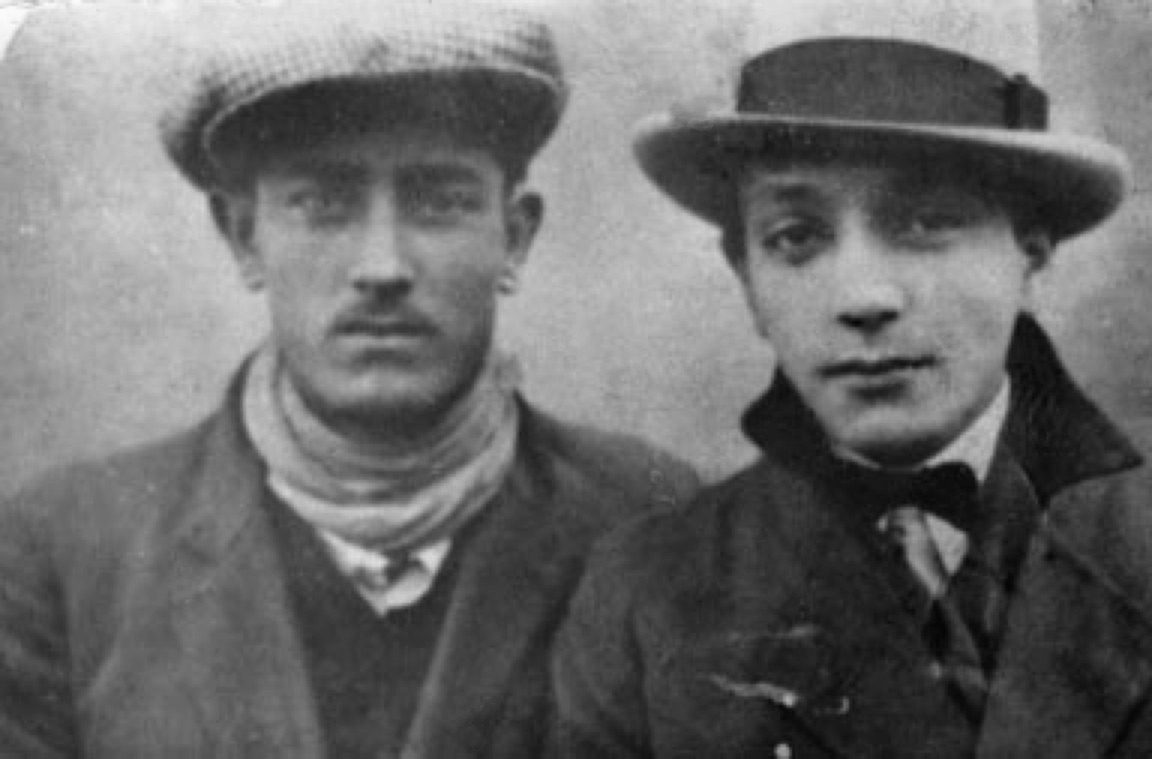
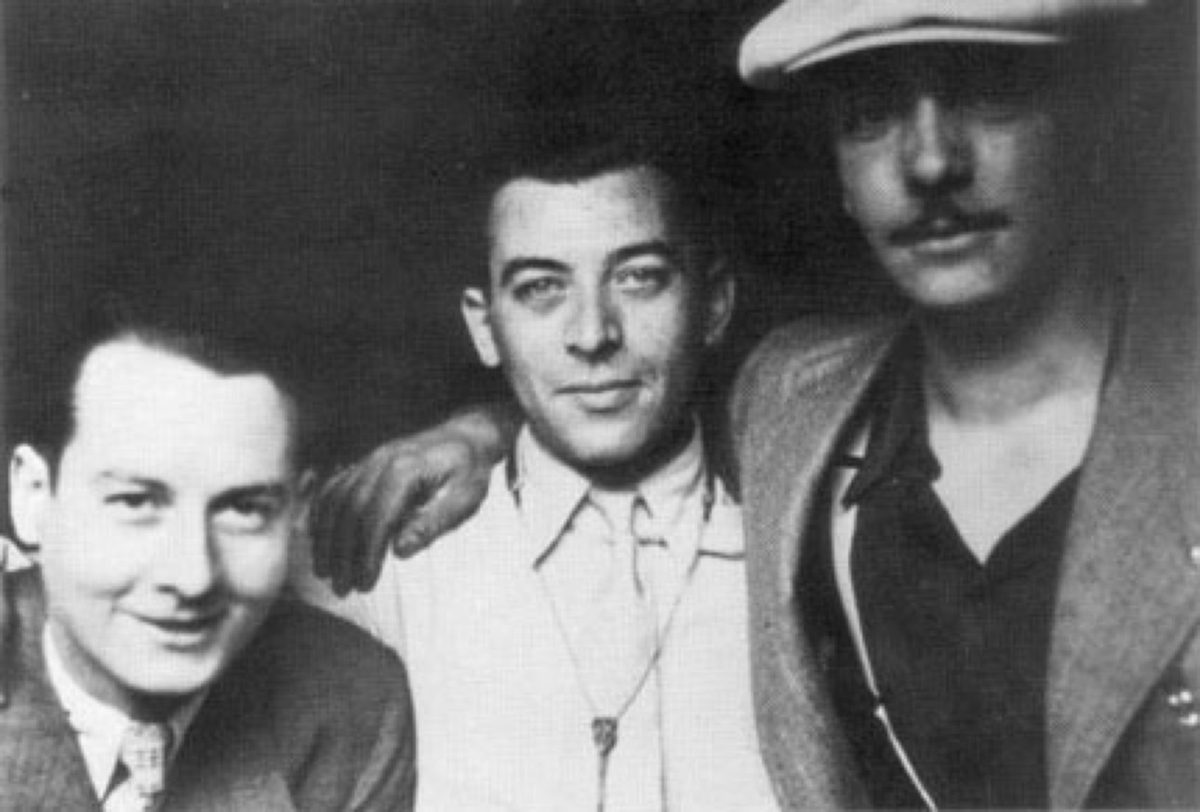
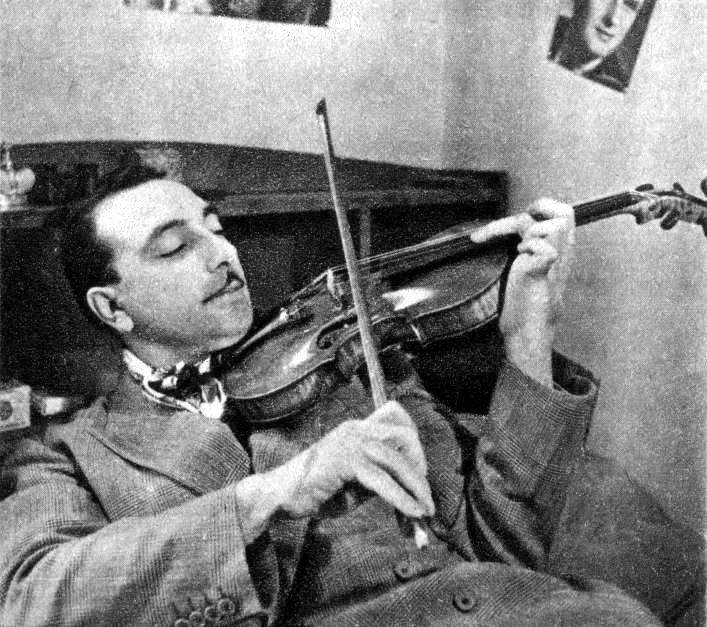
Empezó con el violín, aprendiendo de su padre y de sus tíos, y desarrolló una base sólida en melodía y técnica. Sin embargo, sus encuentros con los banjistas Auguste "Gusti" Malha y Jean "Poulette" Castro resultaron decisivos para su desarrollo musical. Bajo su guía, Django adaptó rápidamente sus habilidades al banjo, y formó una asociación musical con su hermano Joseph "Nin-Nin", con quien tocaba en cafés de Montparnasse y en el mercado de pulgas de Clignancourt.
En 1922, el talento prodigioso de Django llamó la atención de Vétèse Guérino, un respetado acordeonista y director de orquesta. Aunque tenía solo 12 años, Django se unió a la banda de Guérino, lo que marcó el comienzo de su carrera profesional y lo puso en el camino hacia la grandeza musical.
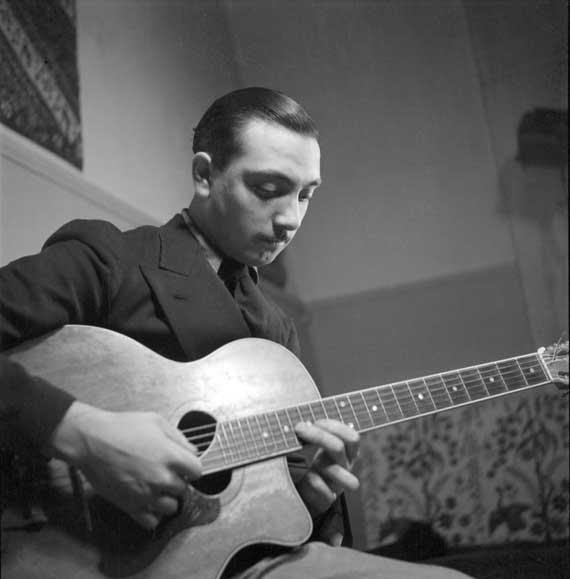
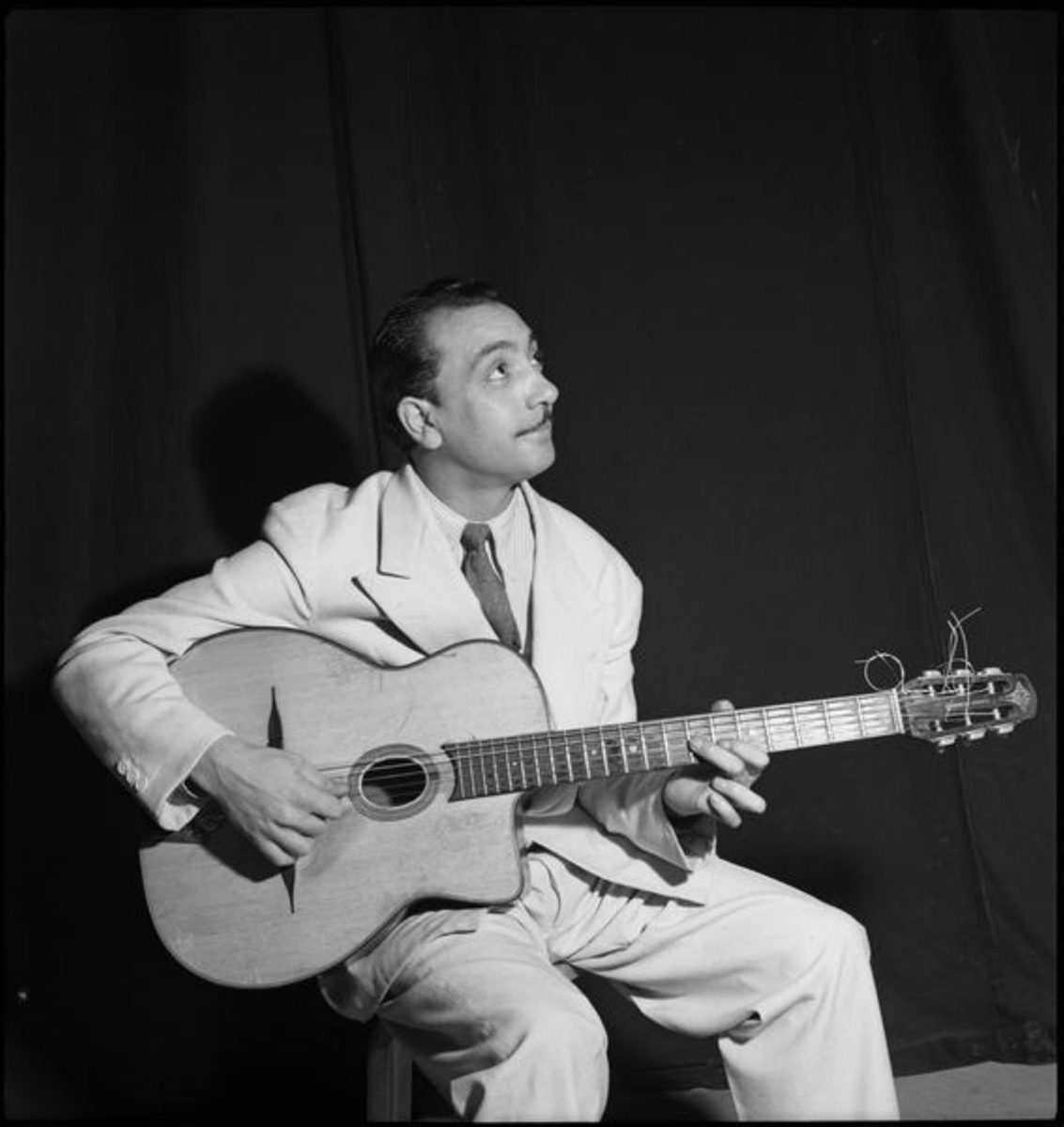
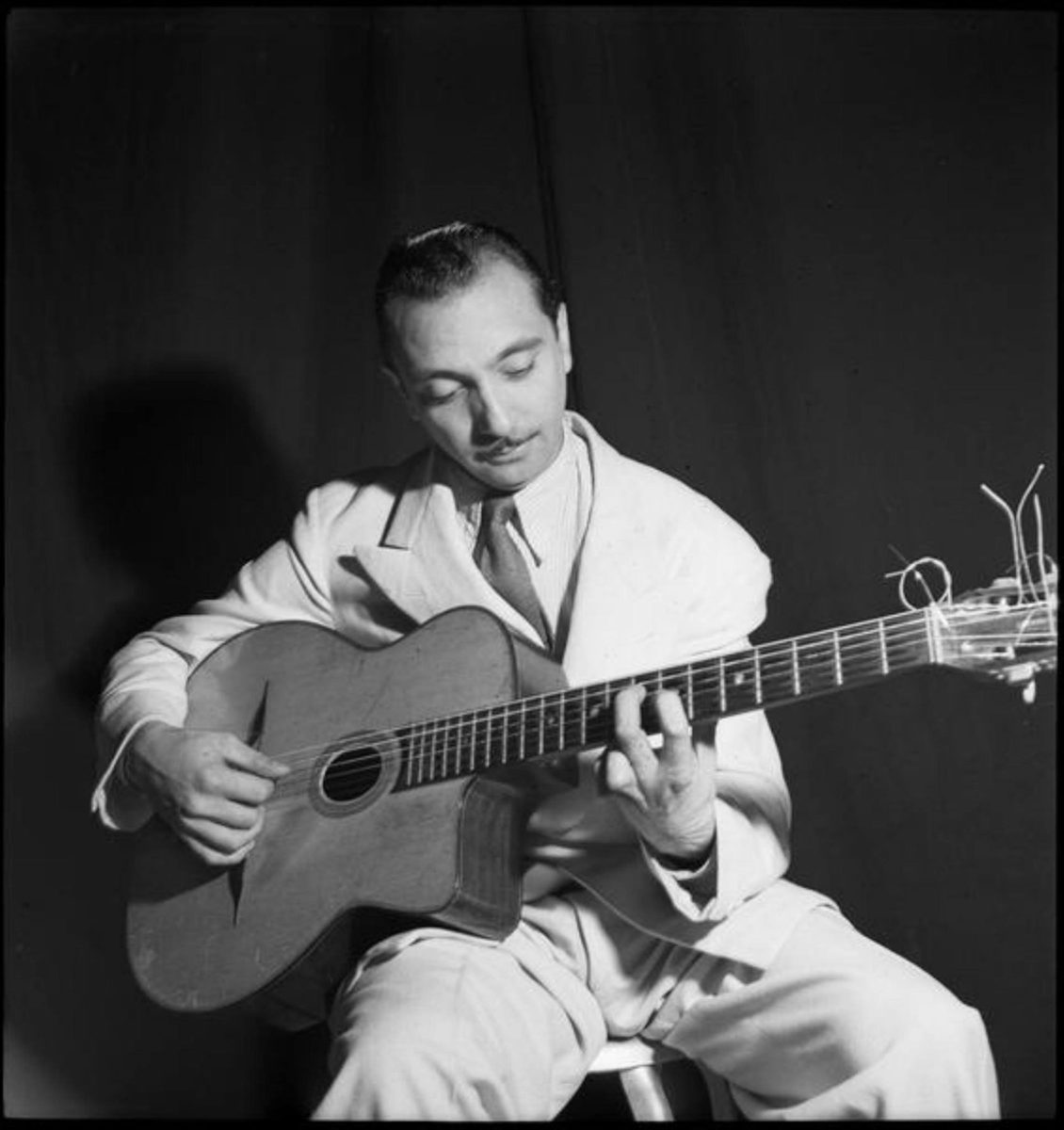
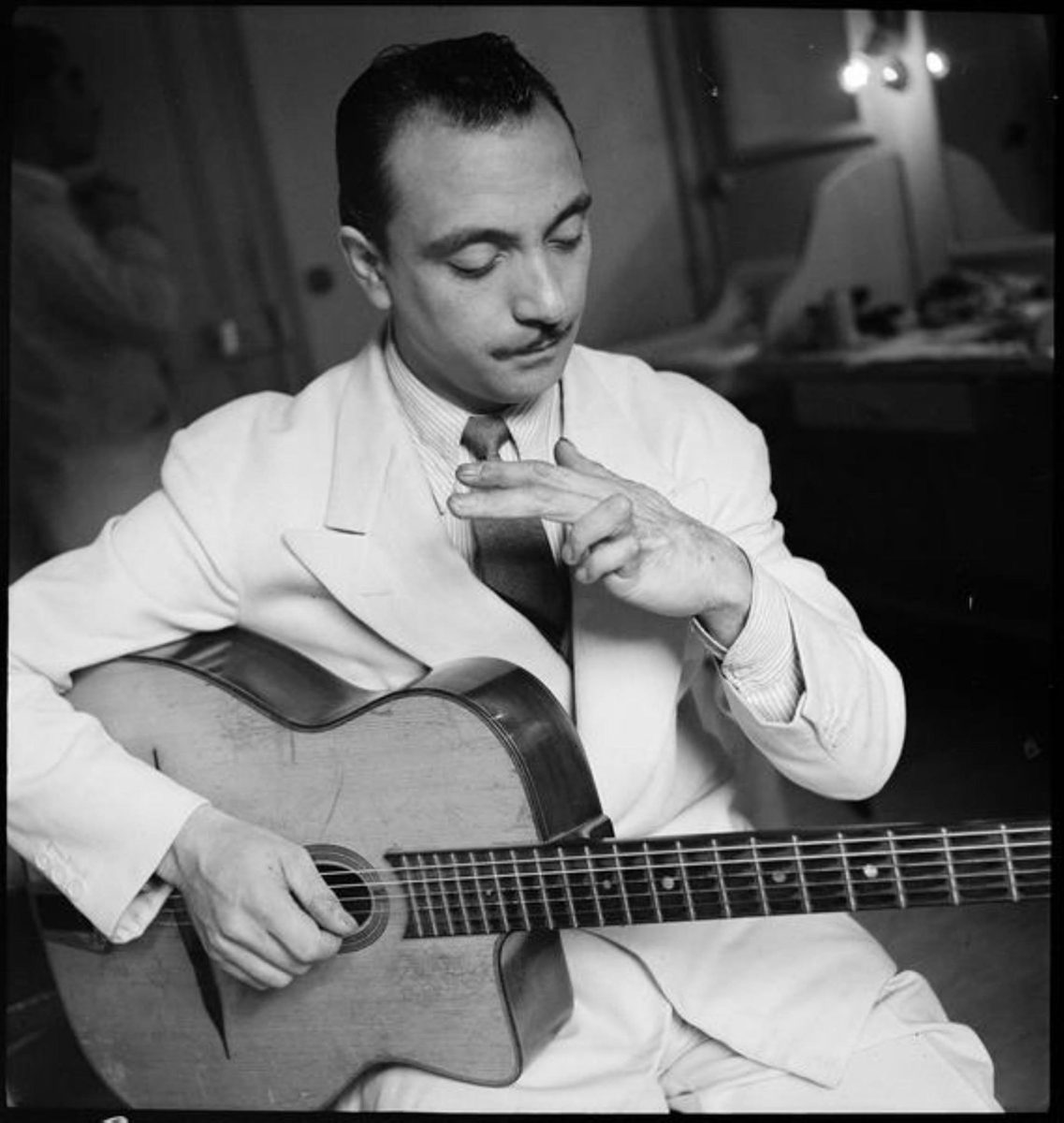
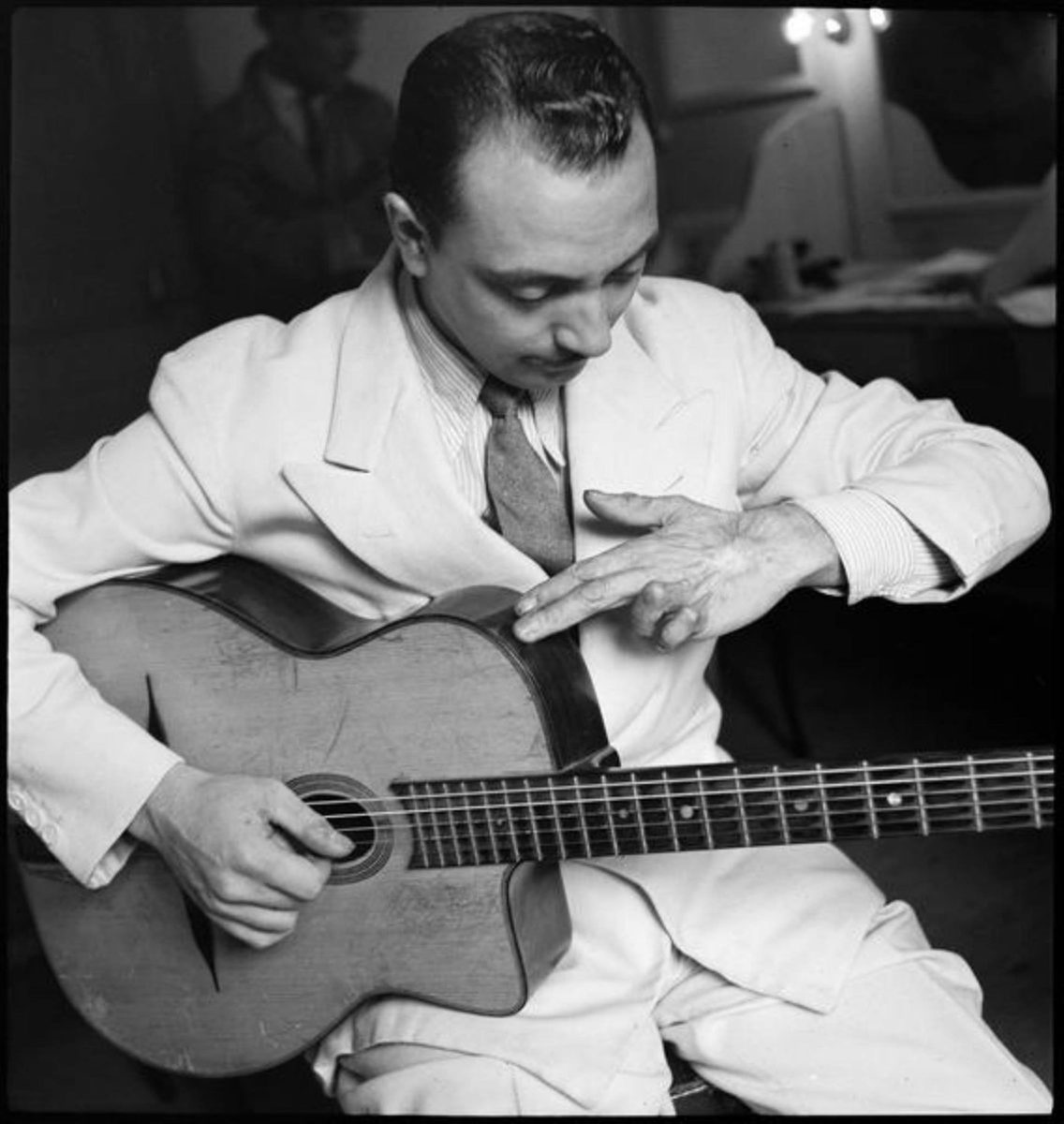
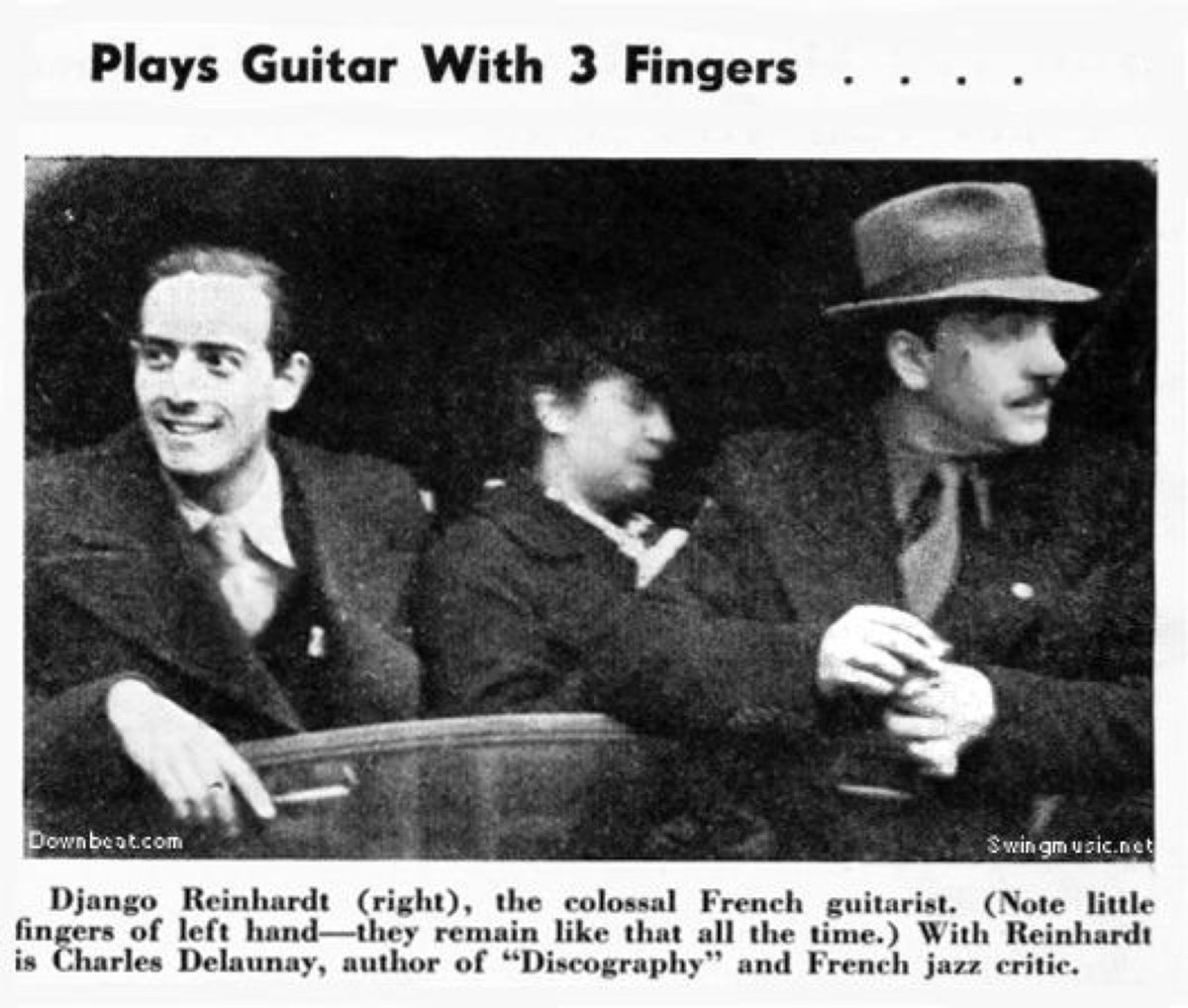
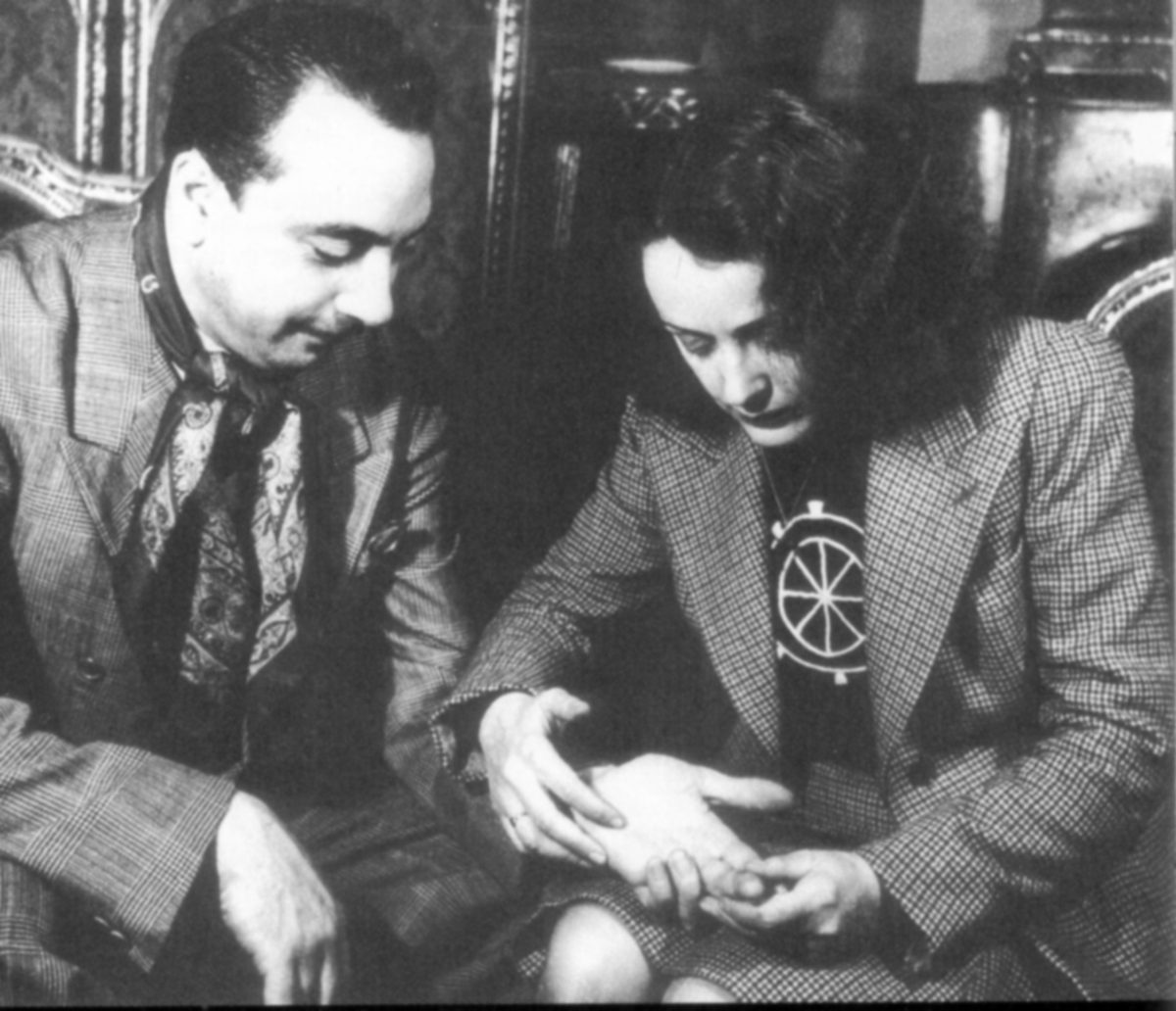
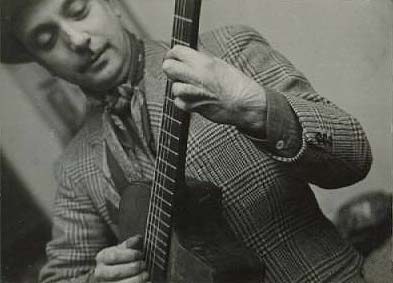
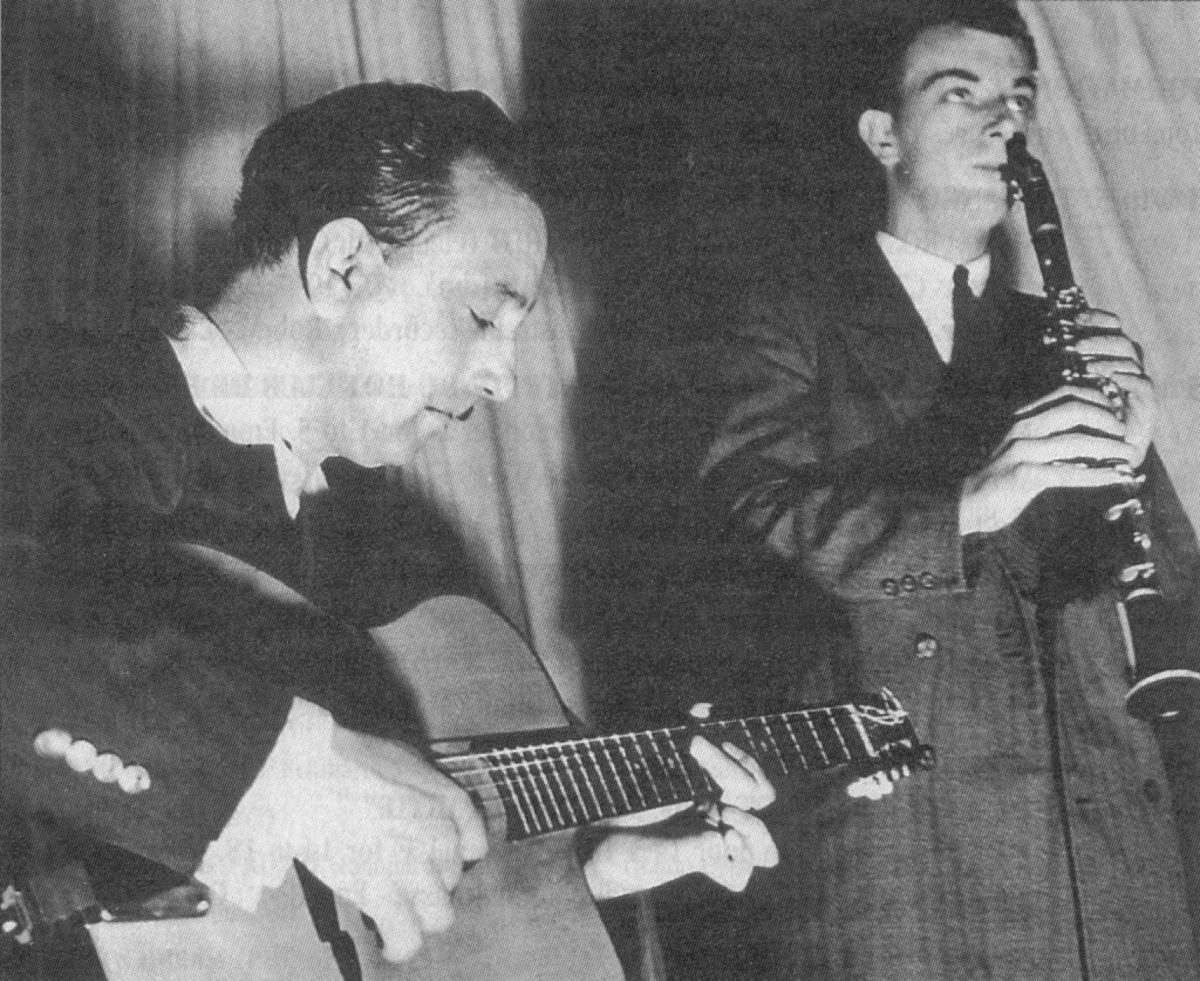
En 1928, la tragedia lo golpeó cuando un incendio envolvió su caravana y dañó gravemente su mano izquierda. Sin dejarse desanimar por este revés, Django emprendió un recorrido milagroso de recuperación y adaptación. Con solo dos dedos funcionales en la mano izquierda, desarrolló una técnica revolucionaria que transformó la forma de tocar la guitarra. Su enfoque innovador, caracterizado por voicings de acordes intrincados y pasajes de notas simples a velocidad vertiginosa, se convirtió en su estilo distintivo y lo colocó como un verdadero pionero musical.
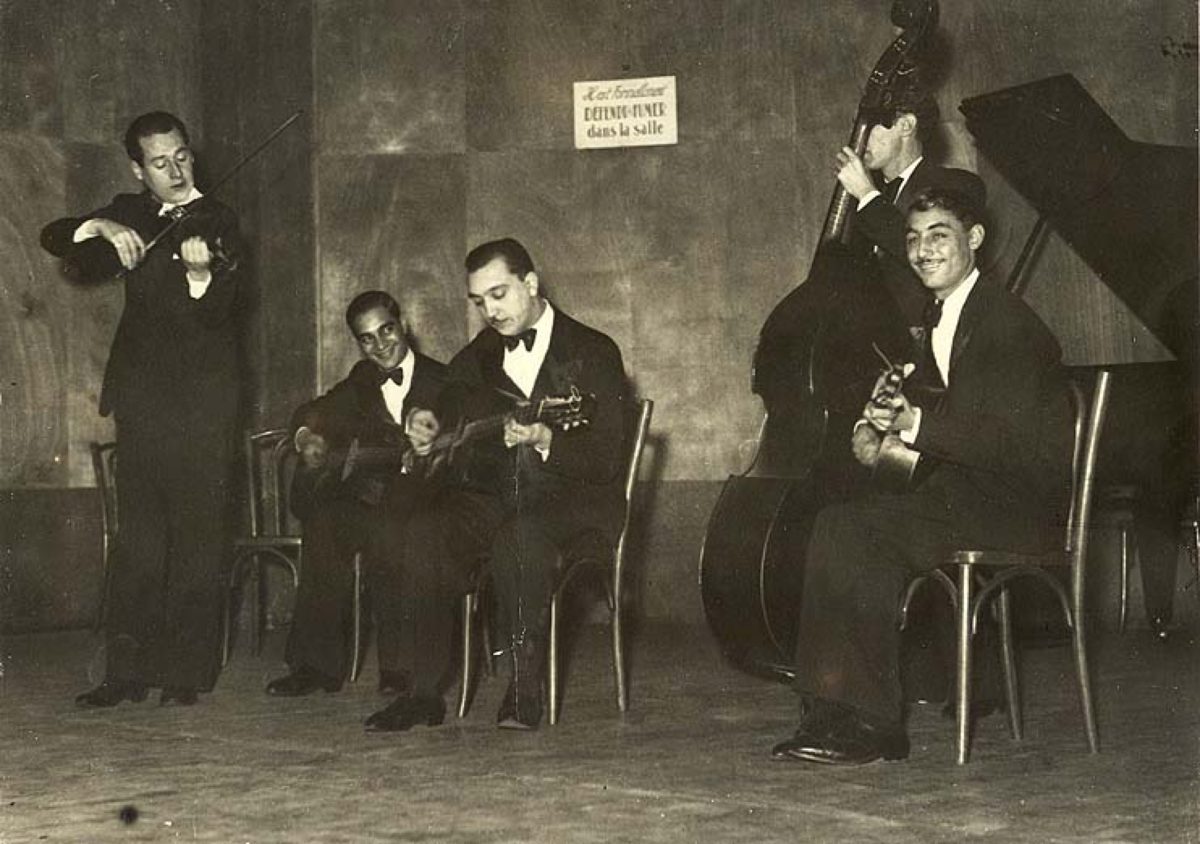
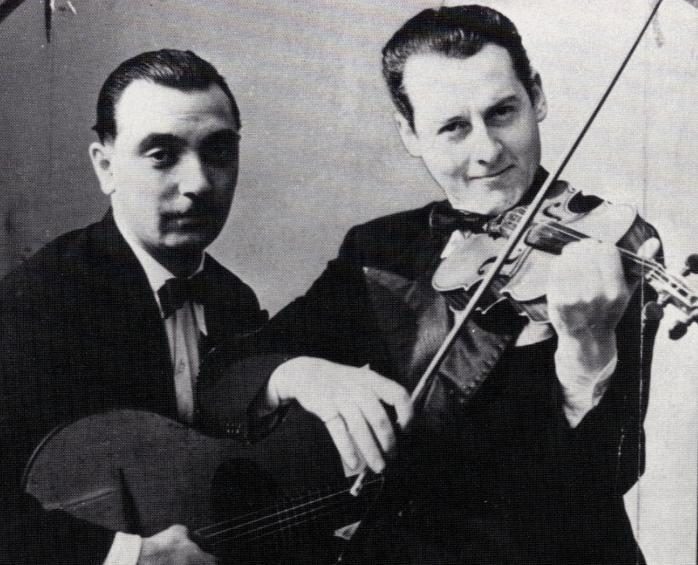
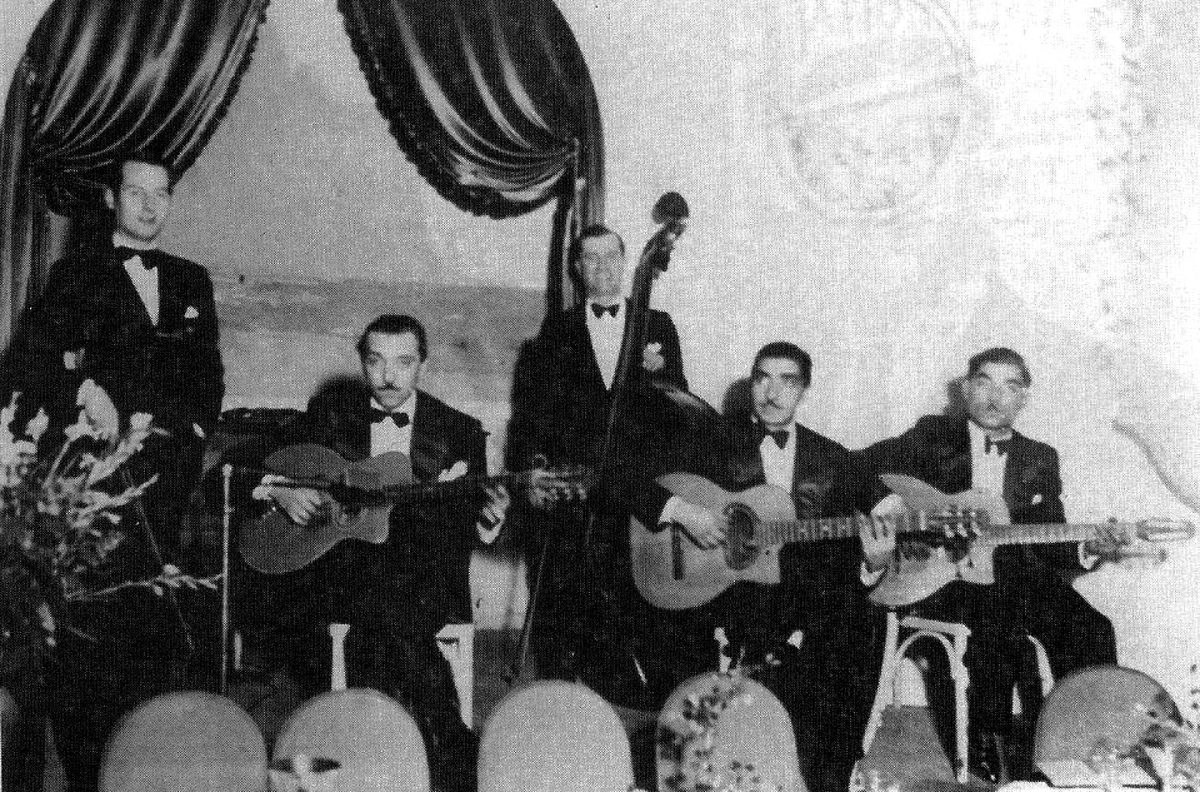
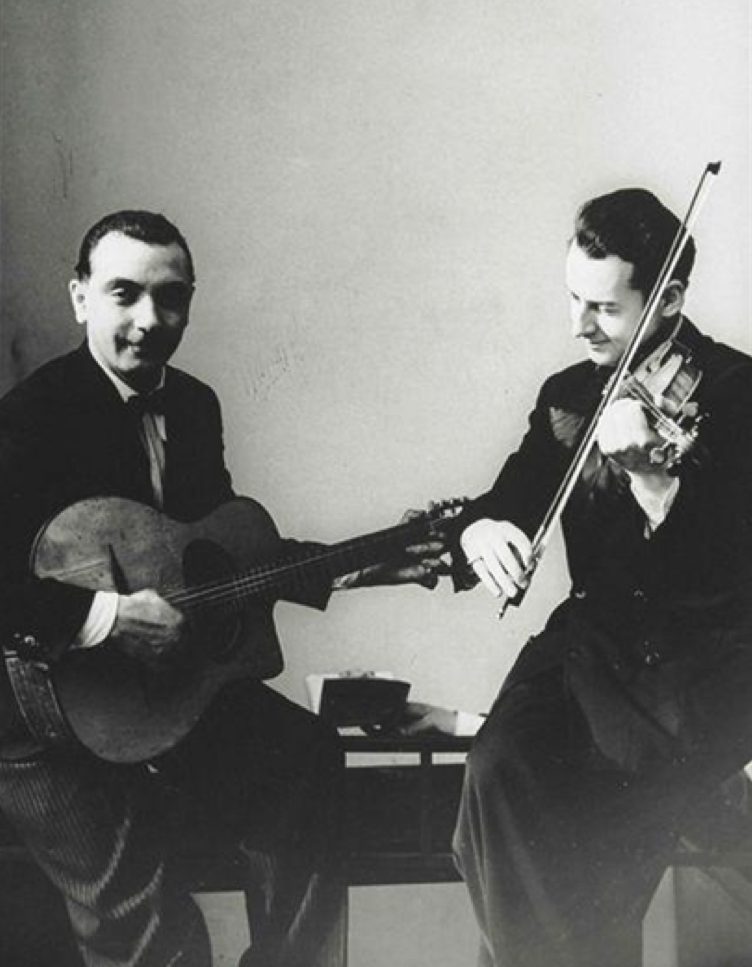
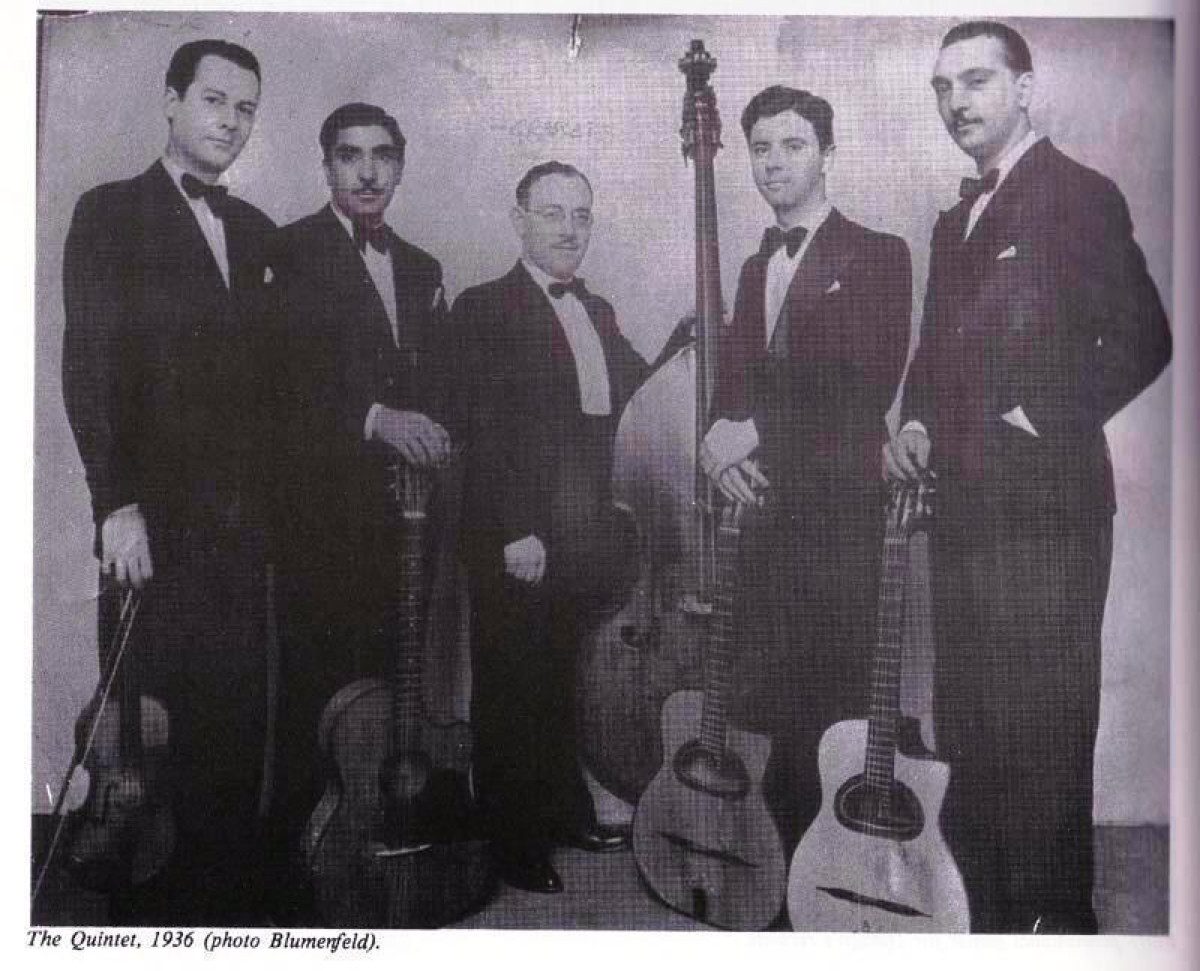
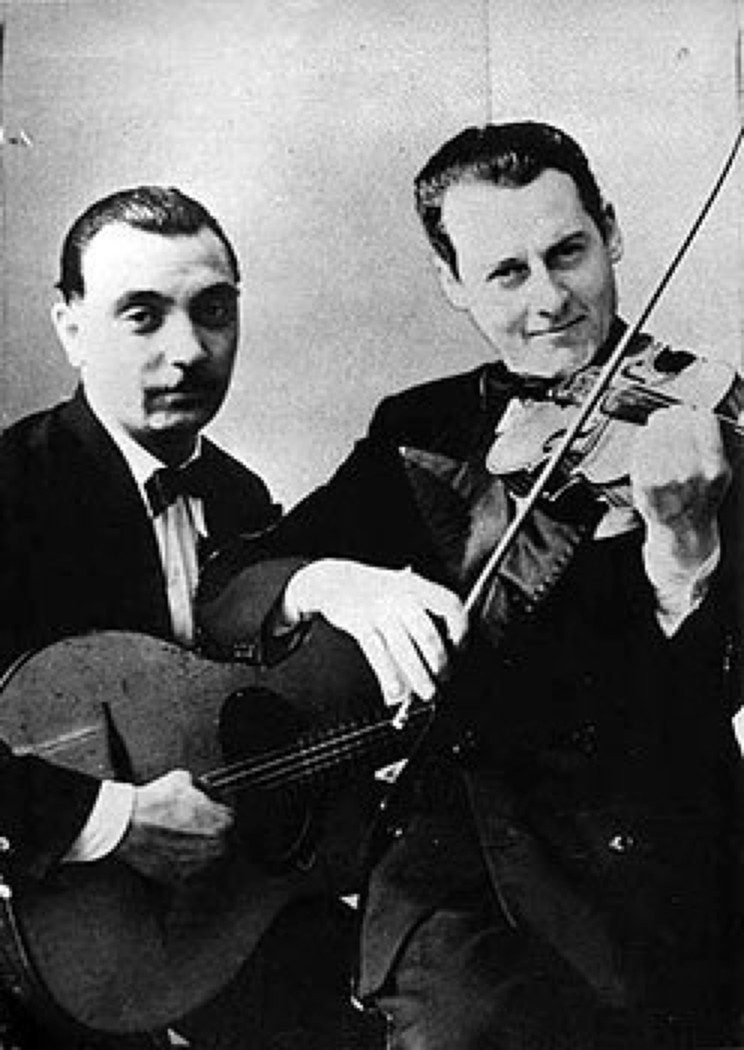
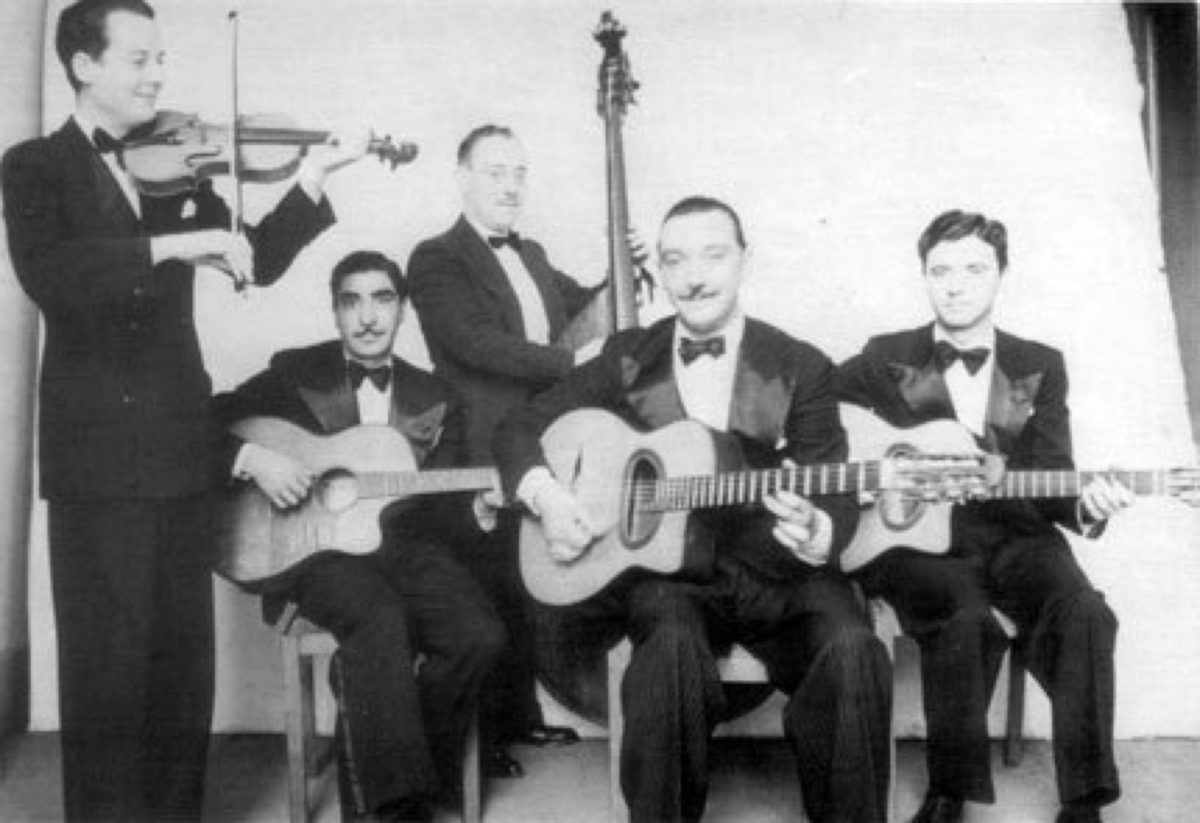
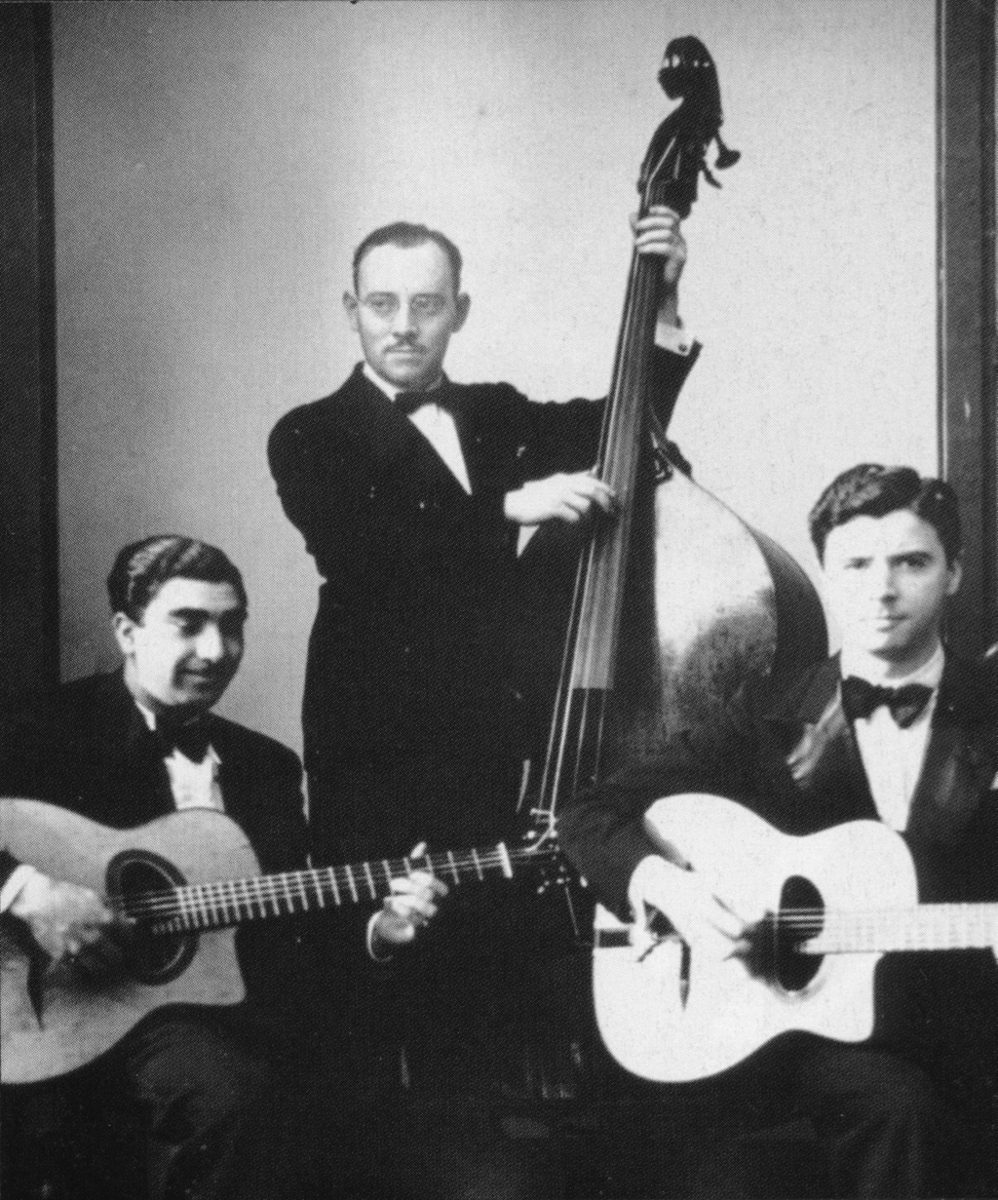
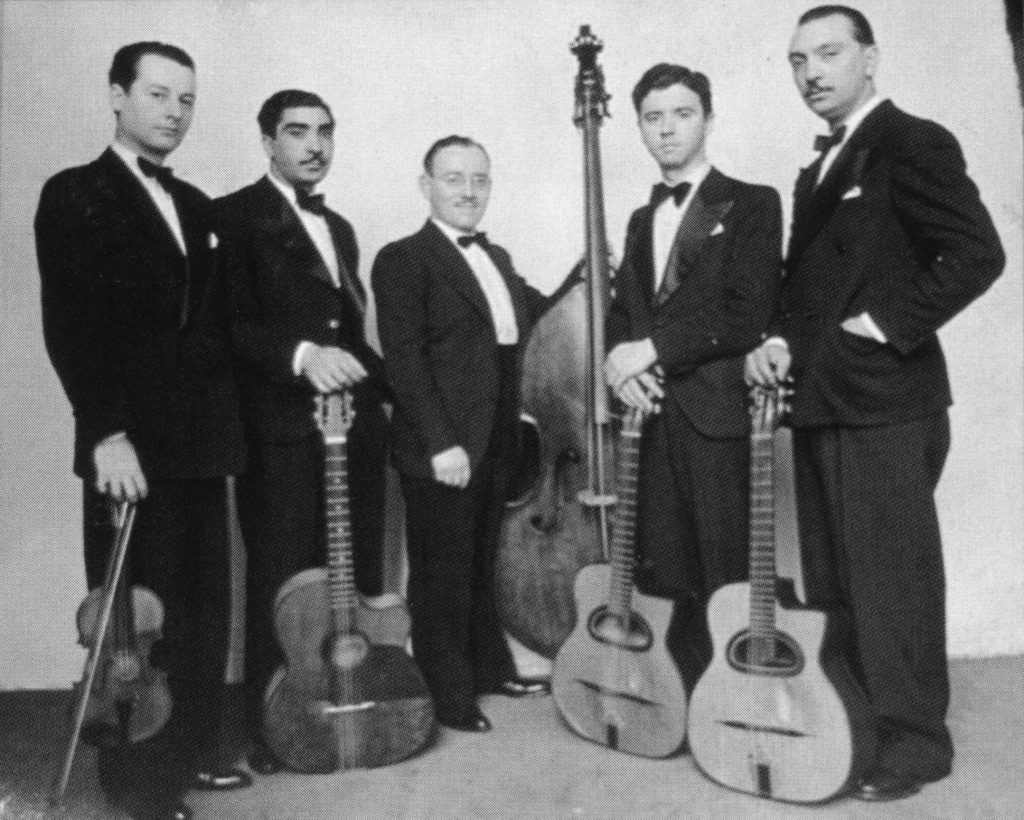
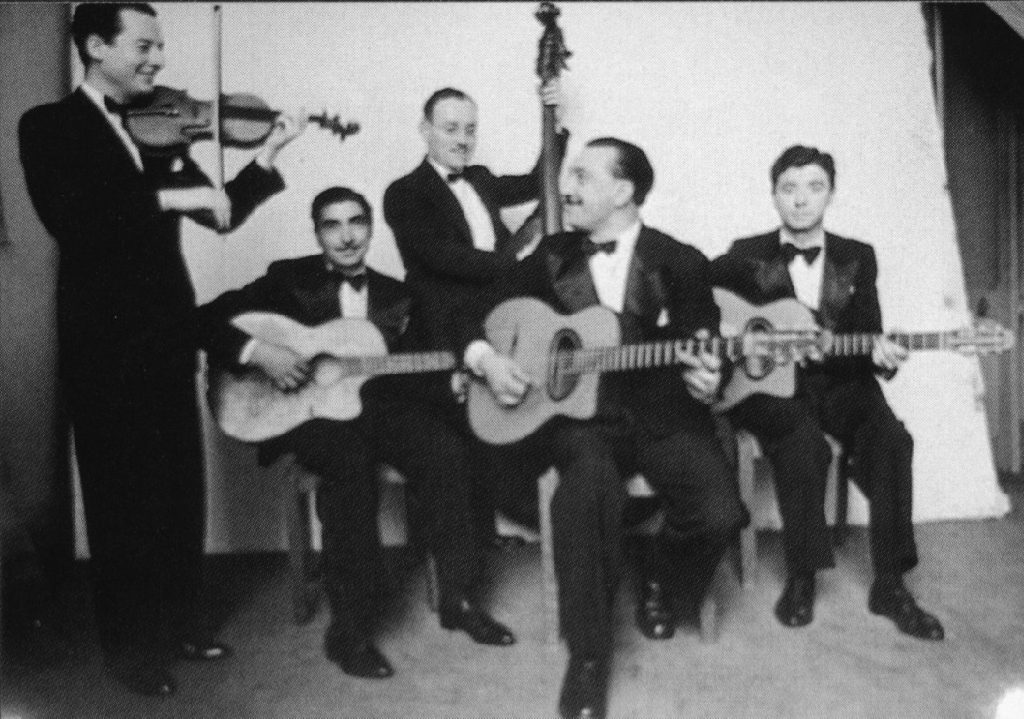
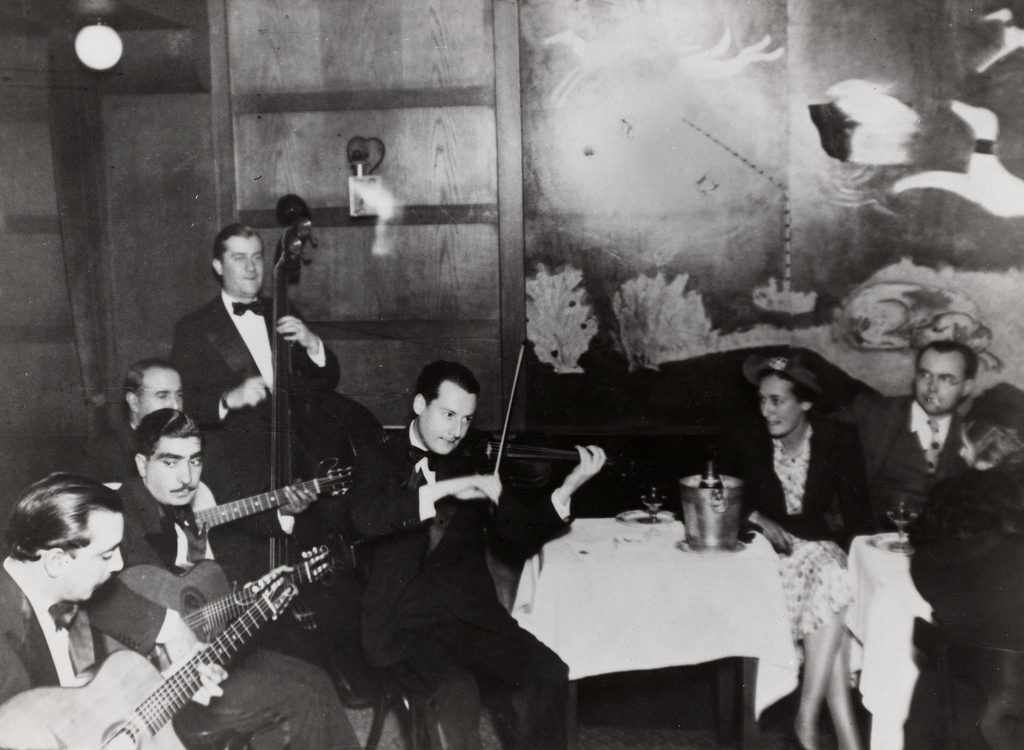
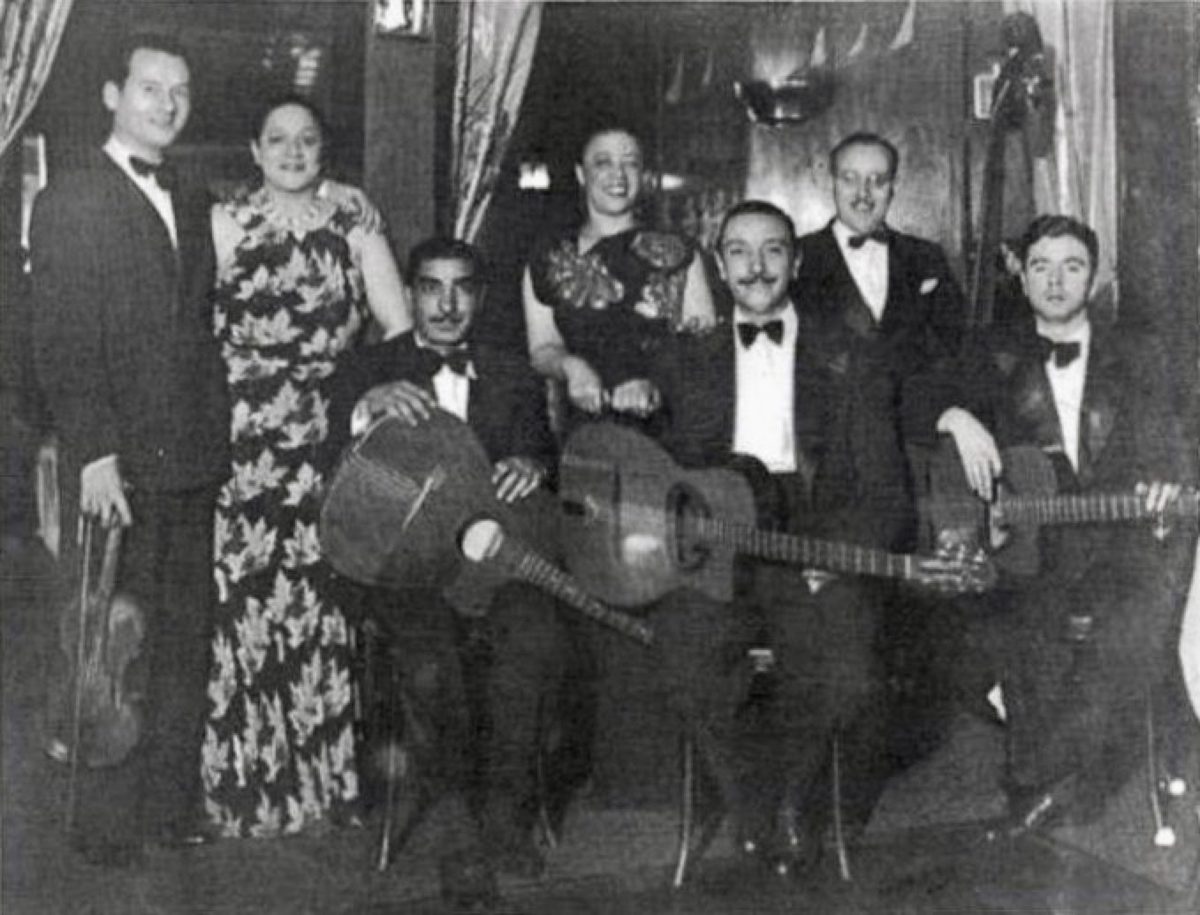
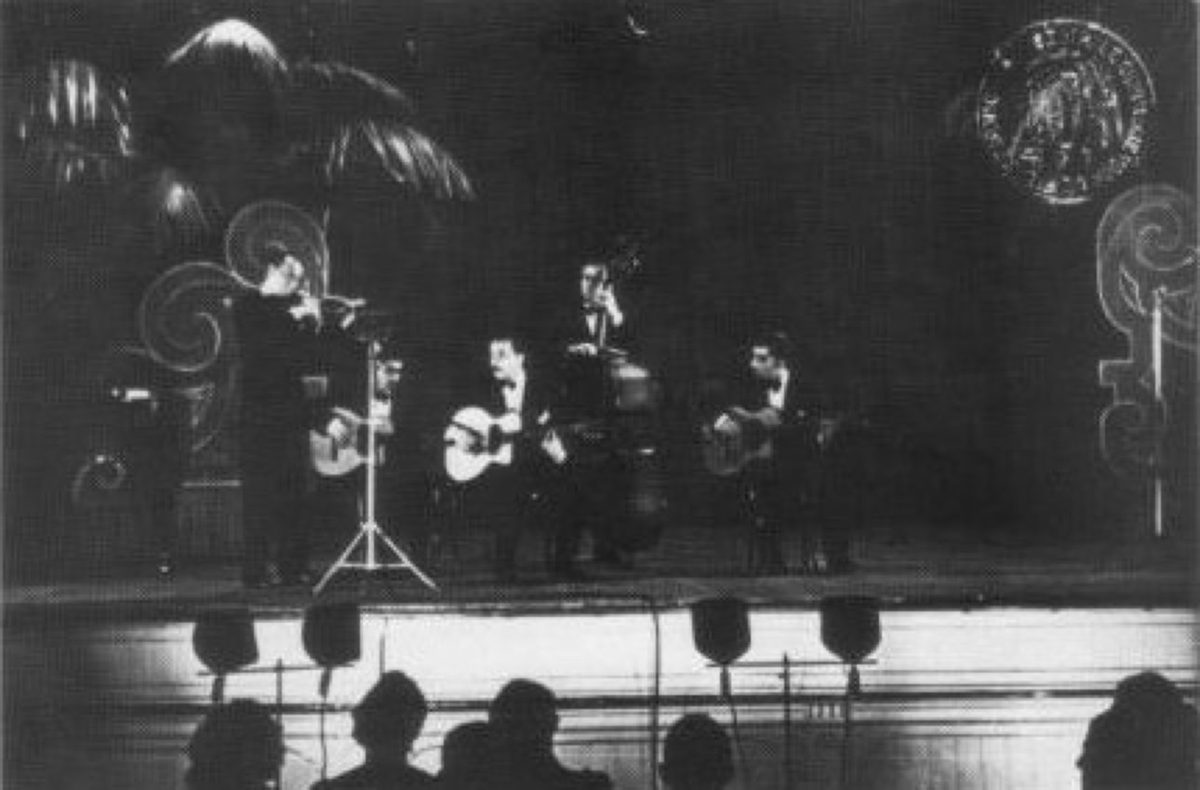
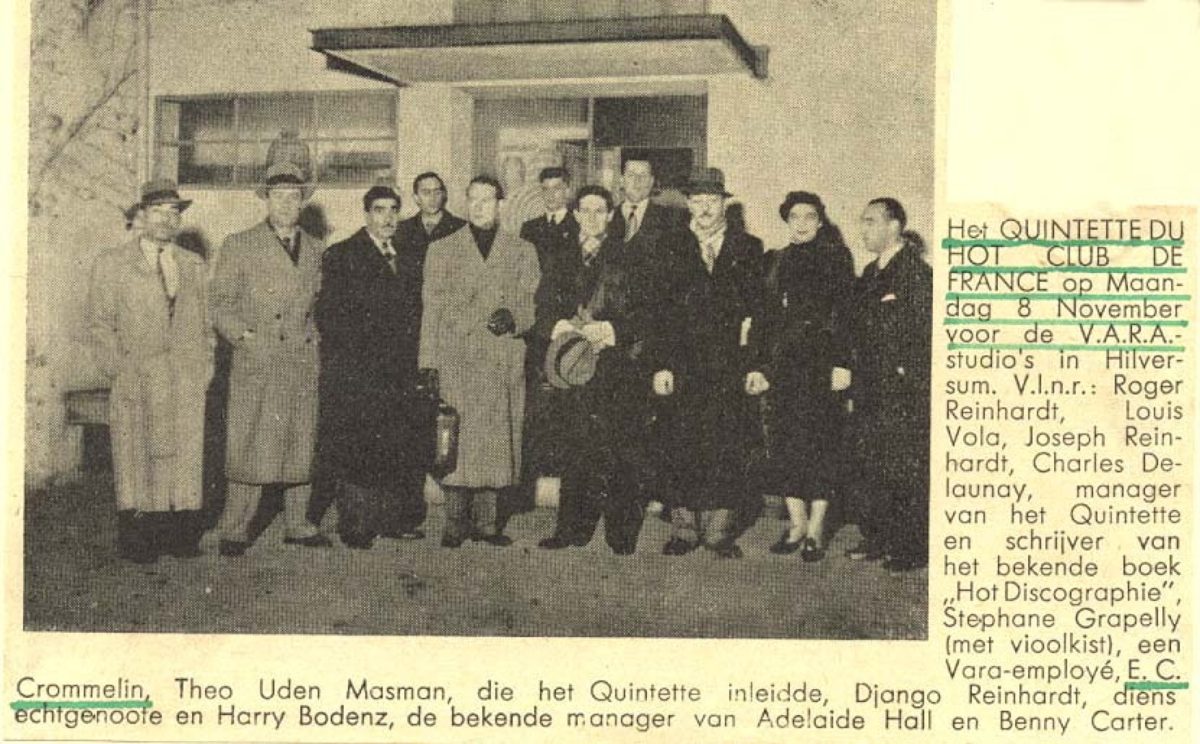
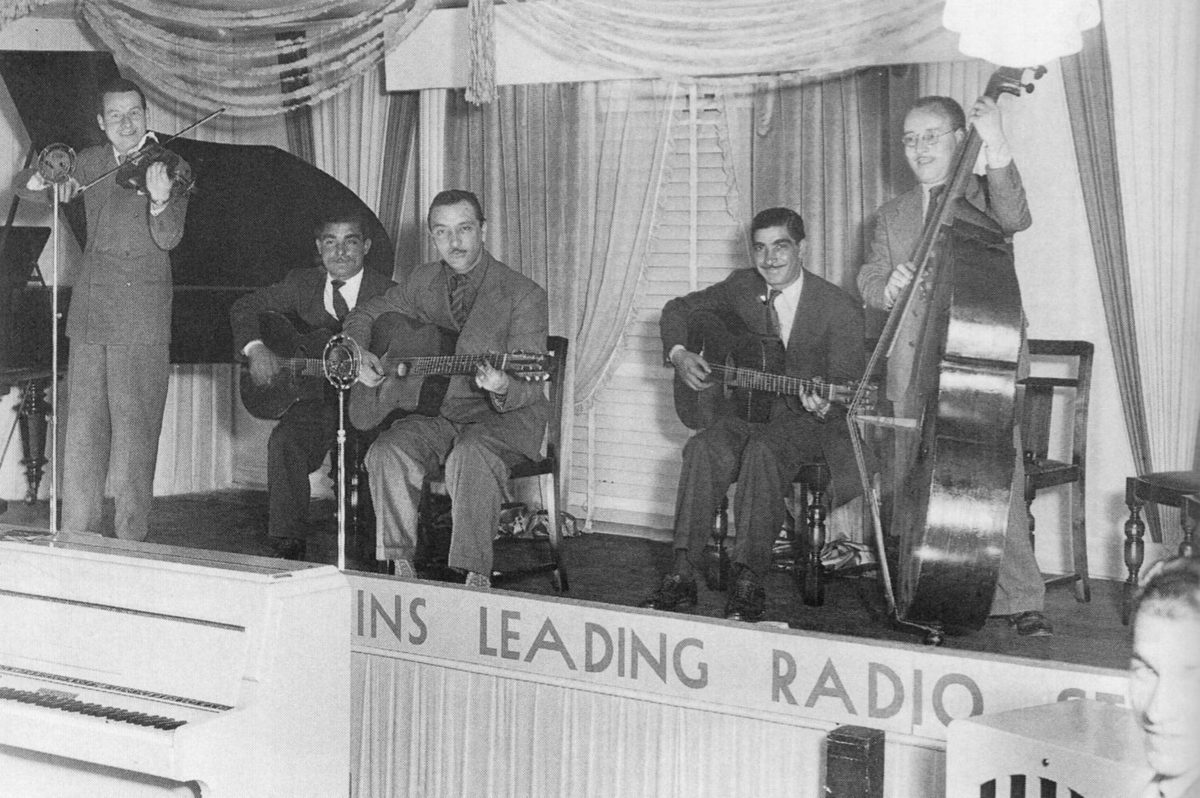
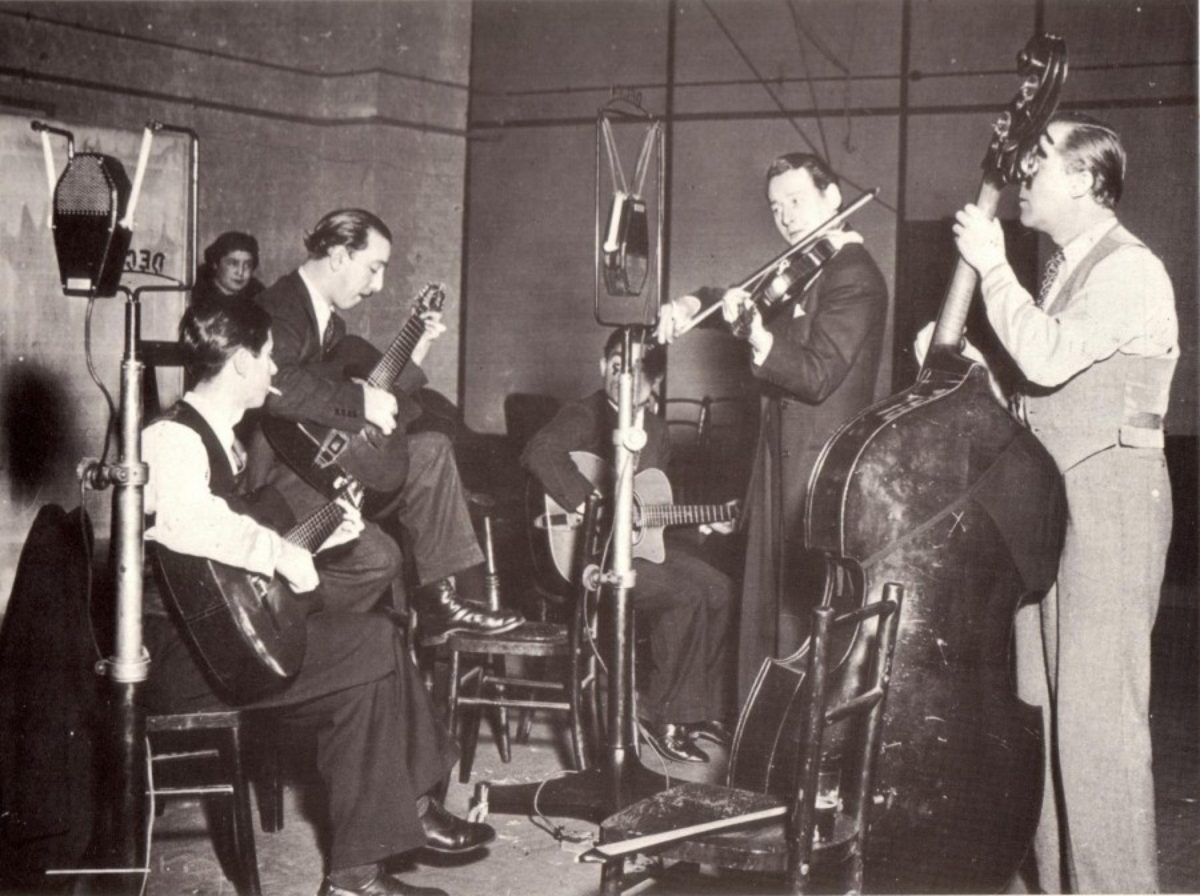
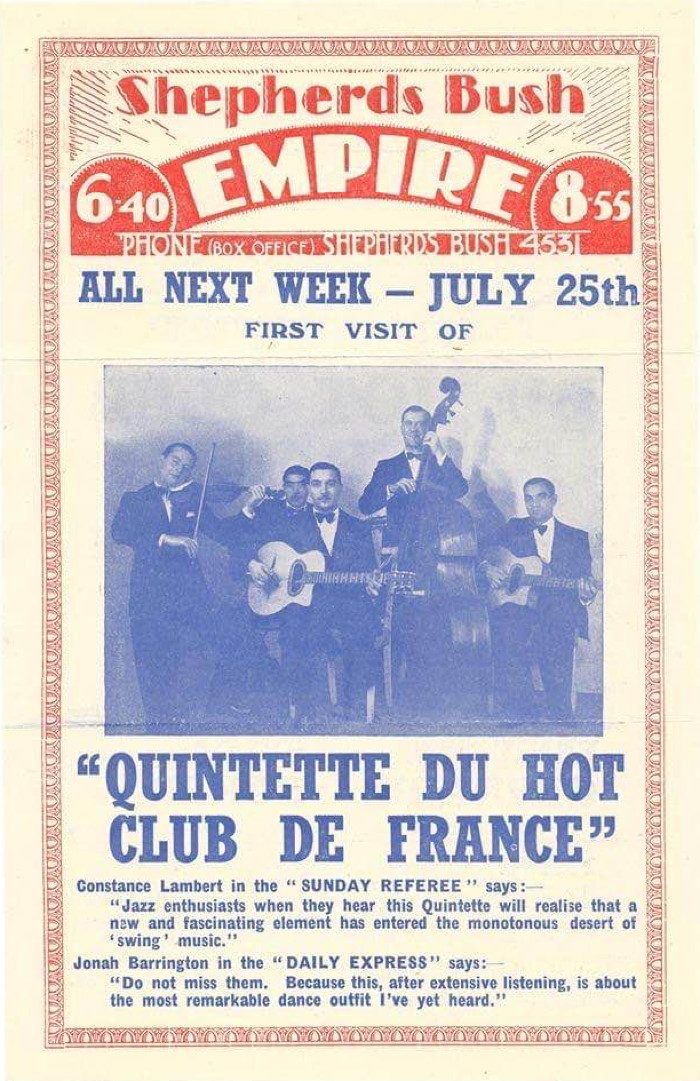
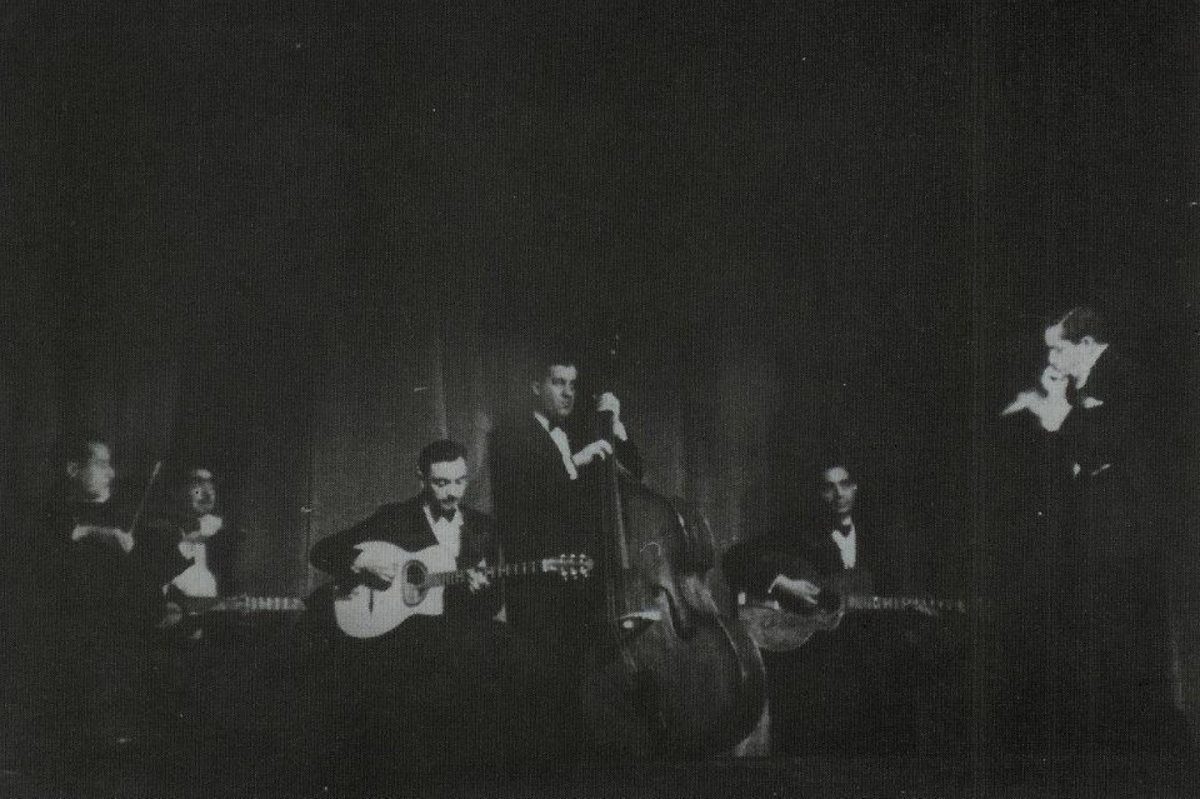
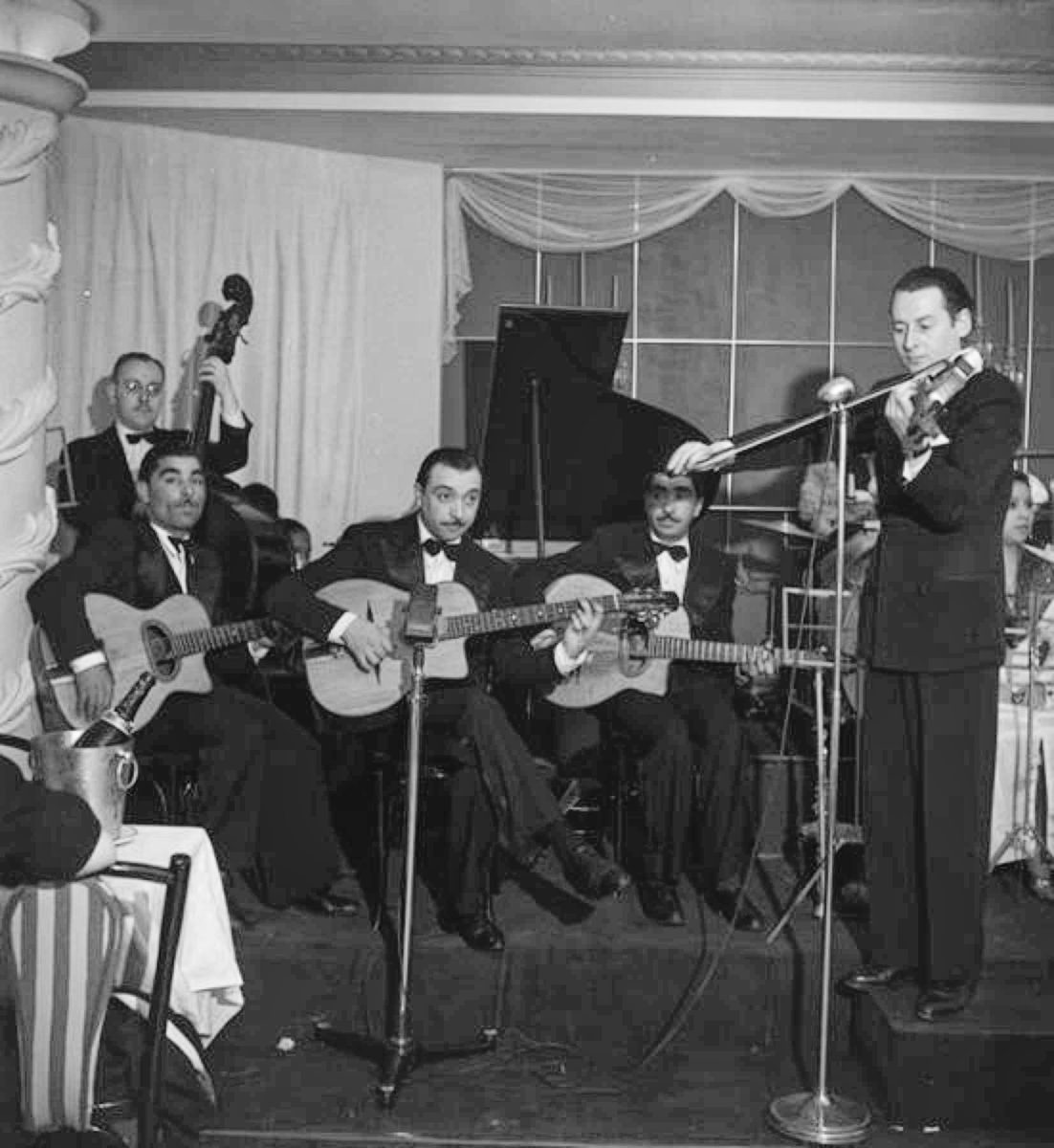
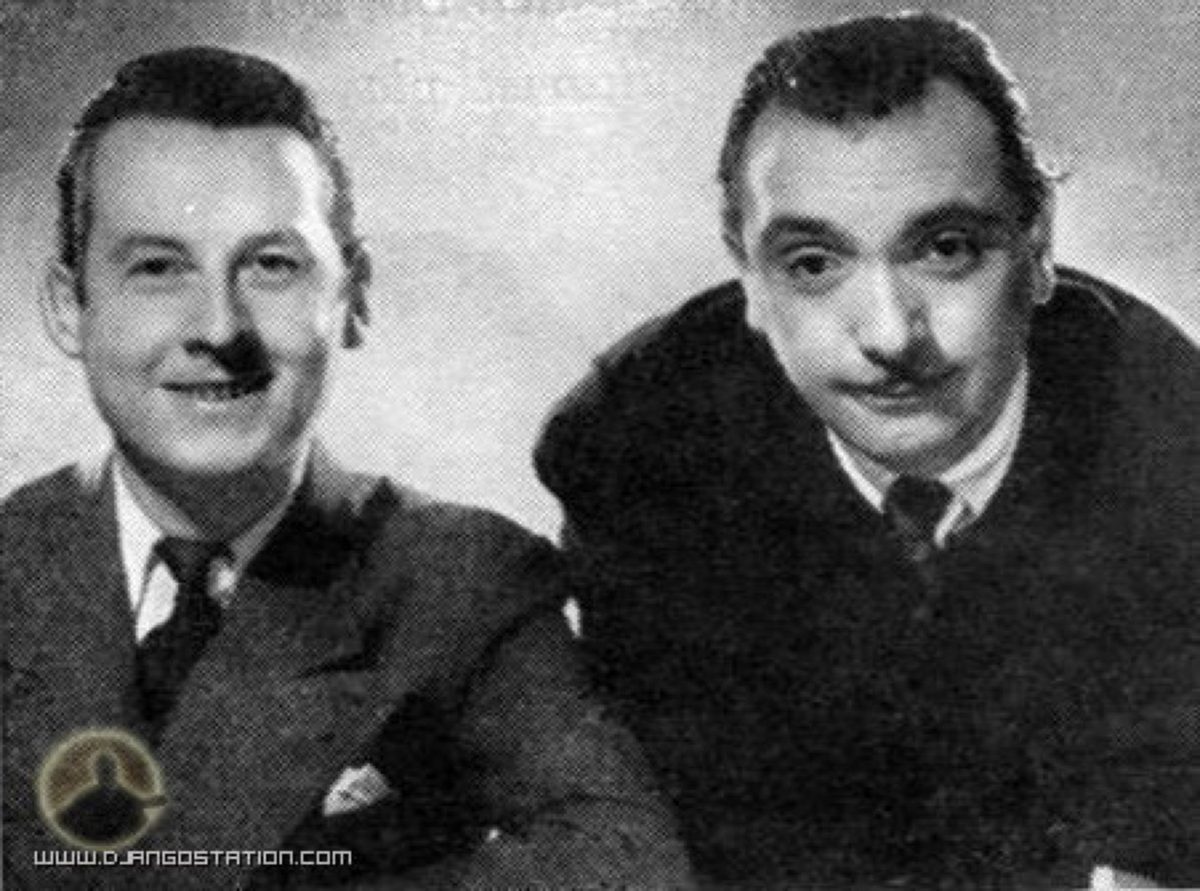
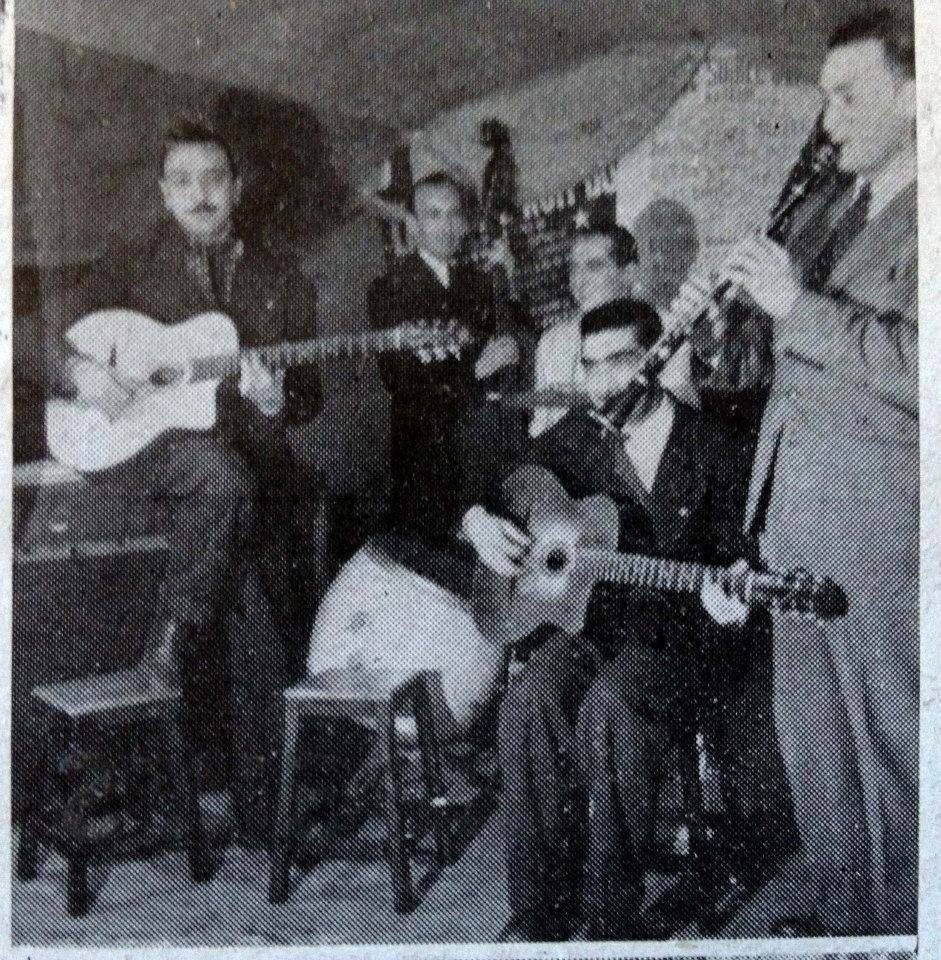
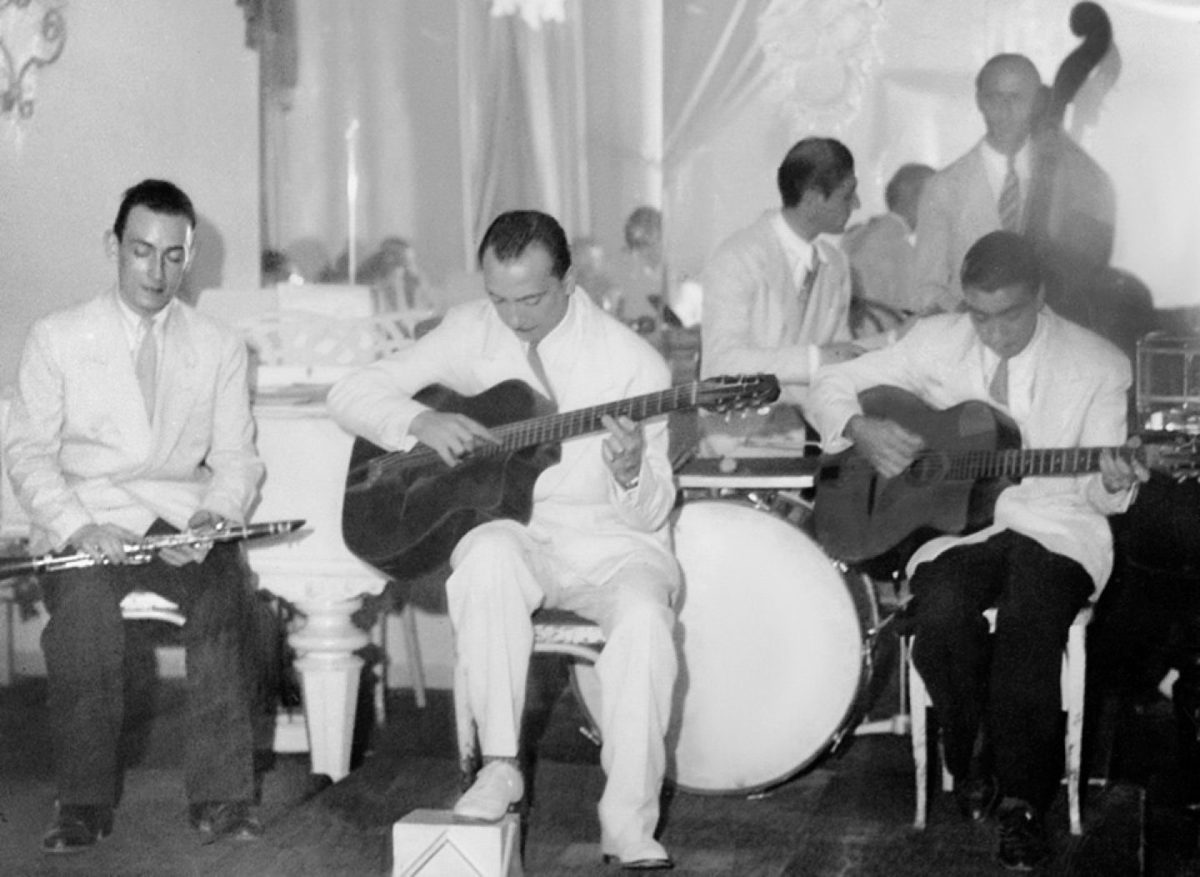
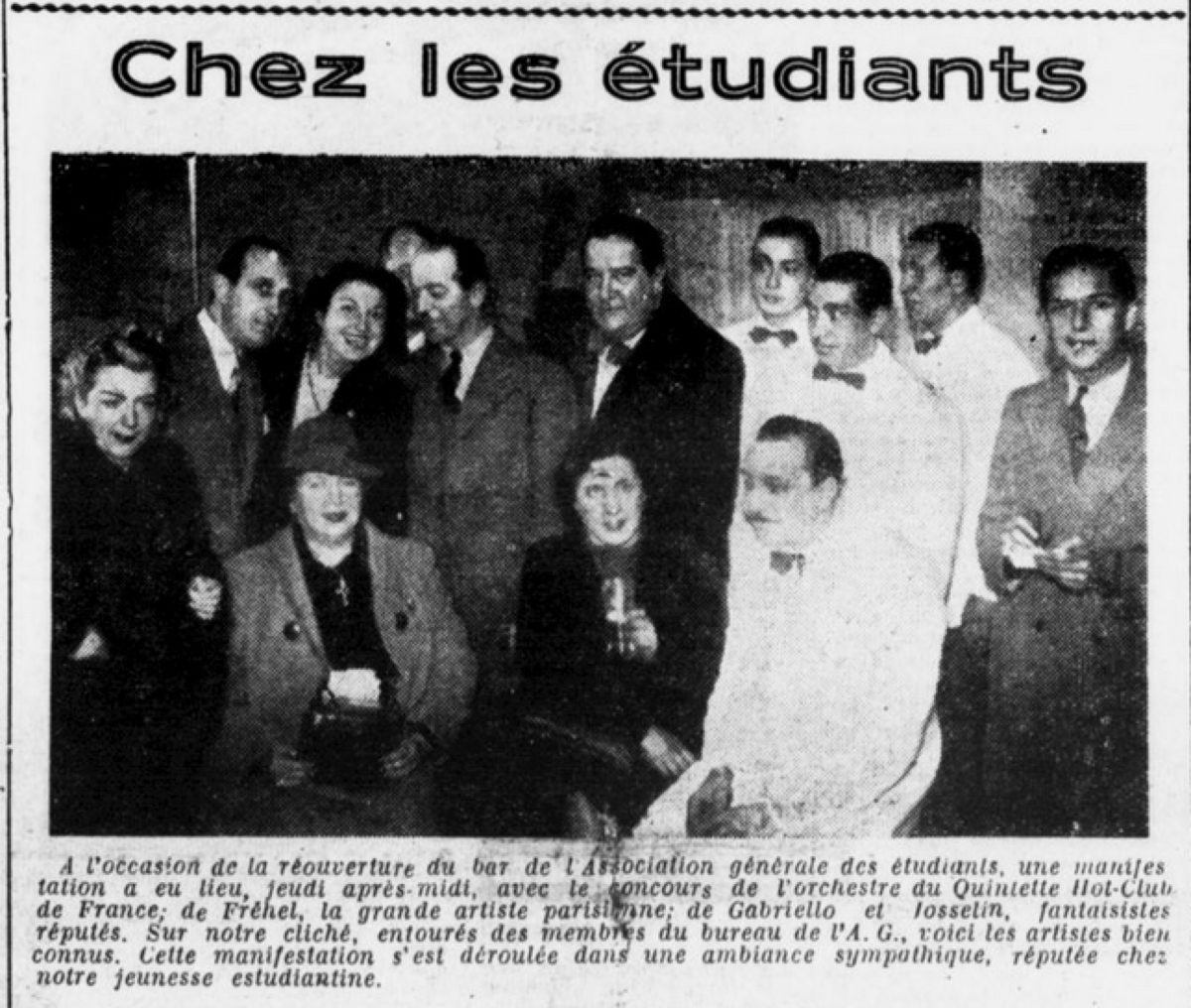
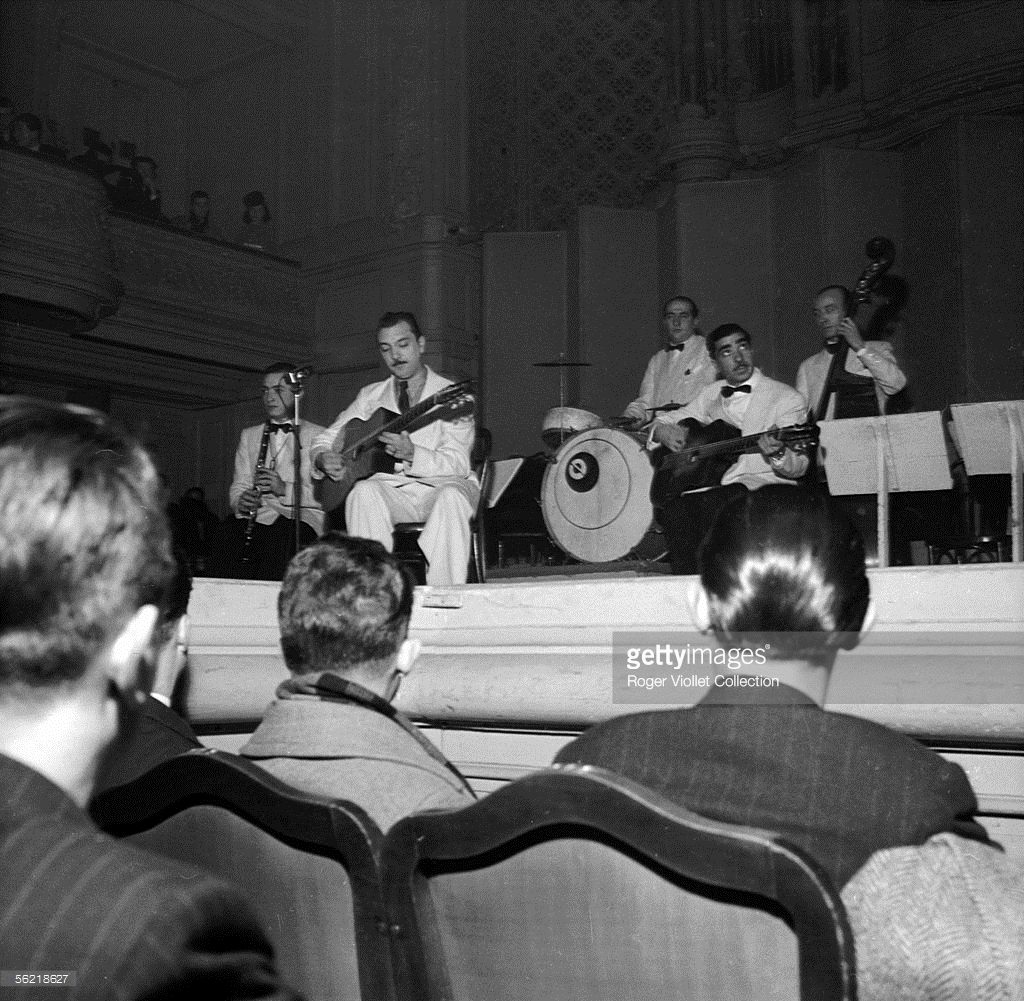
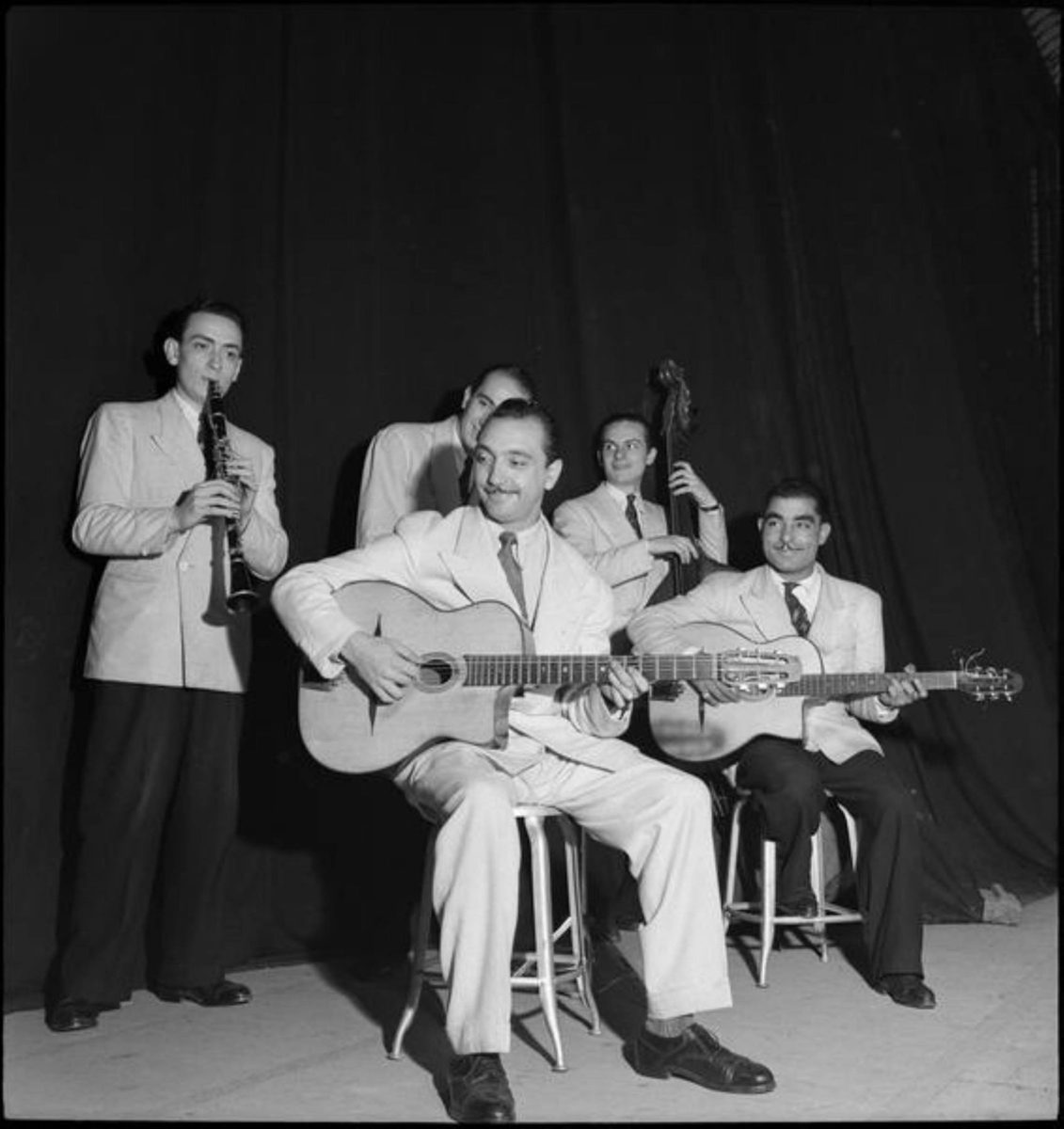
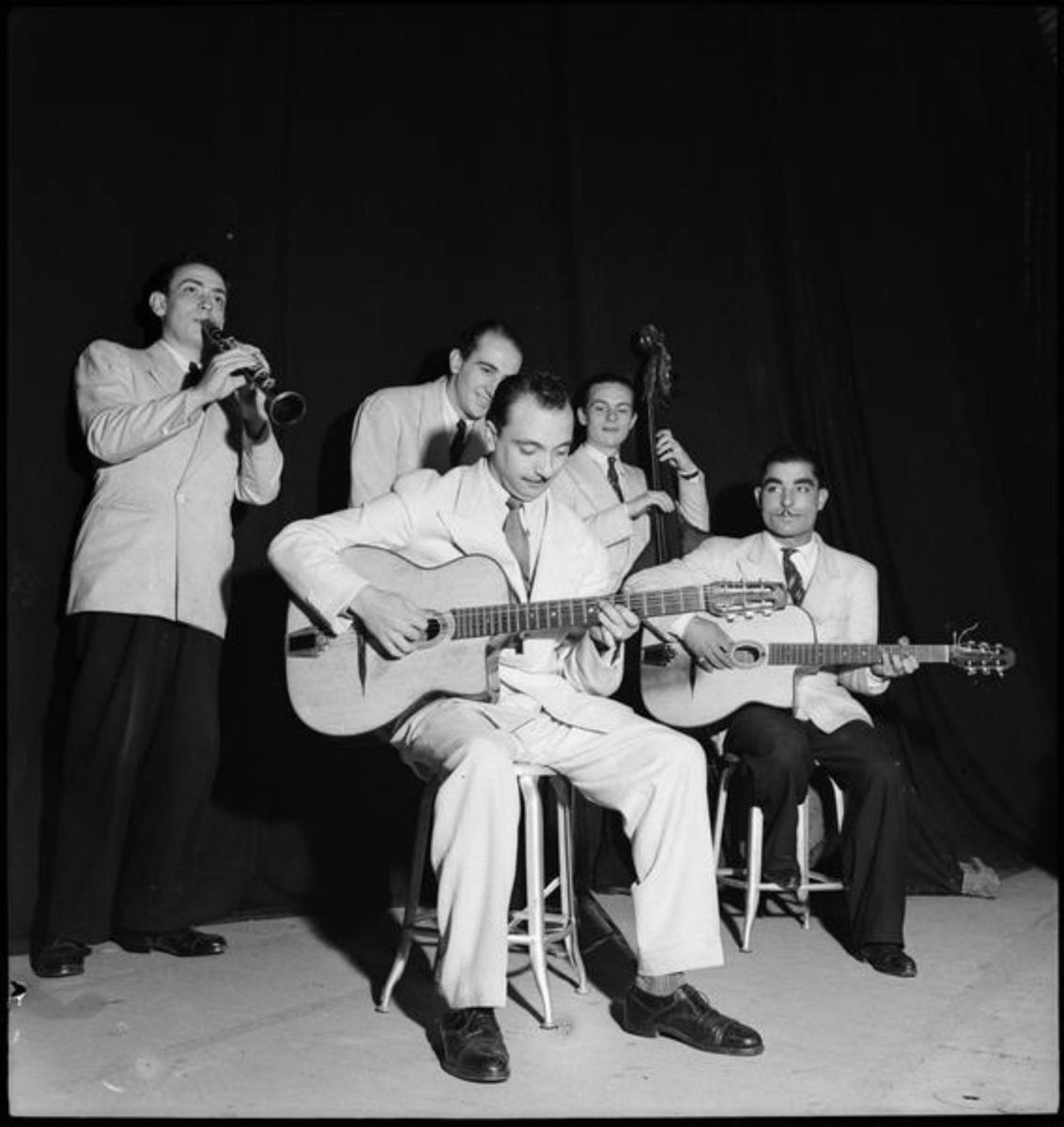
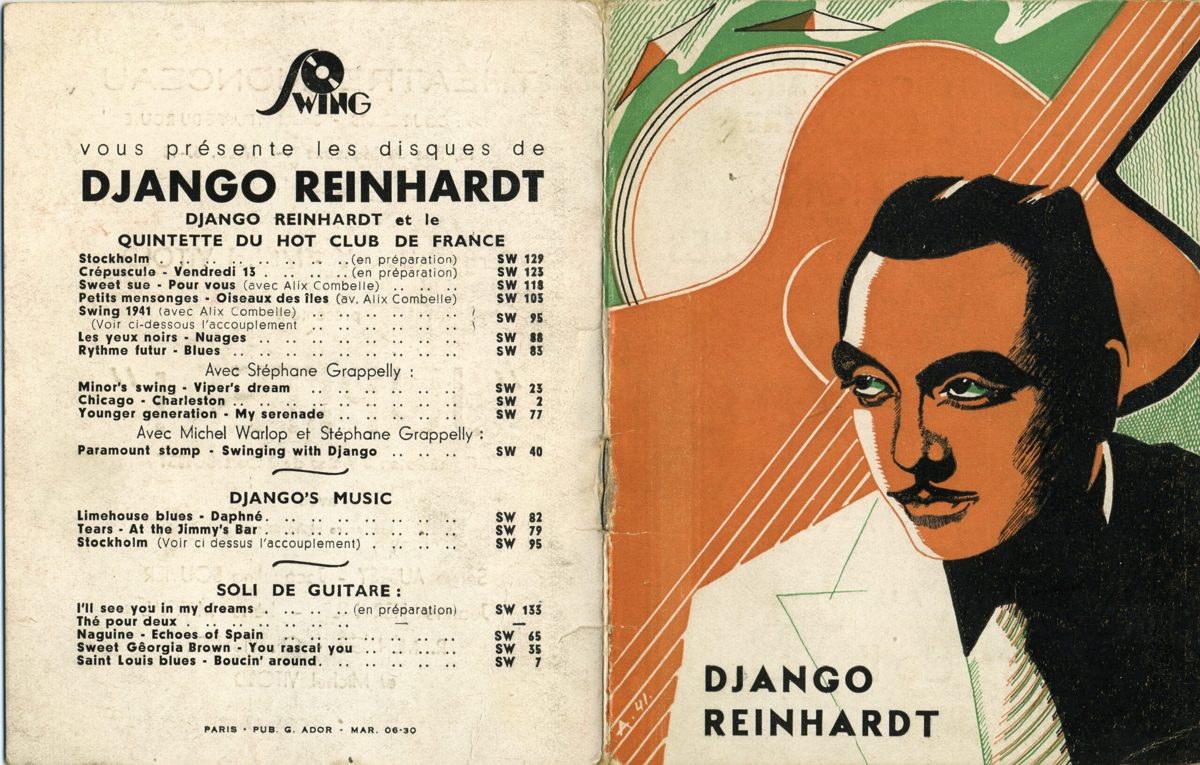
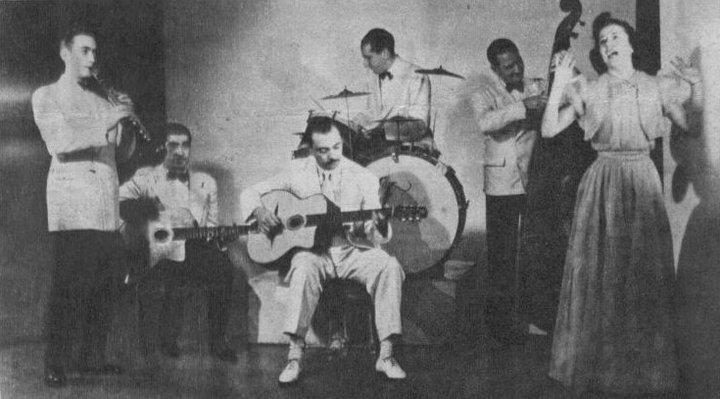
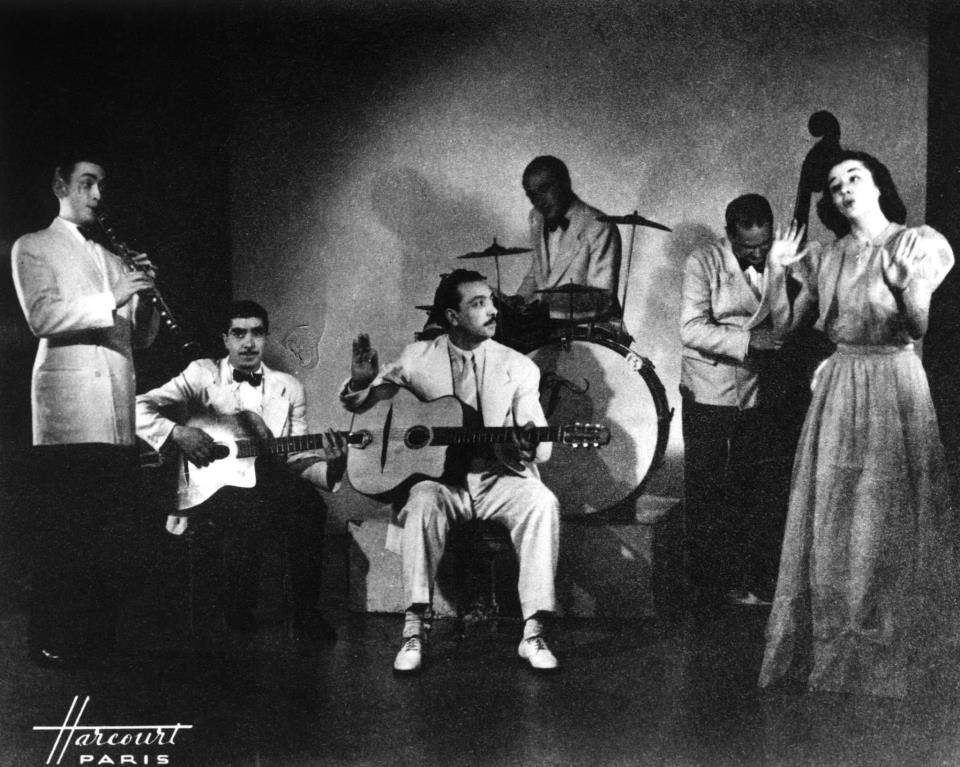
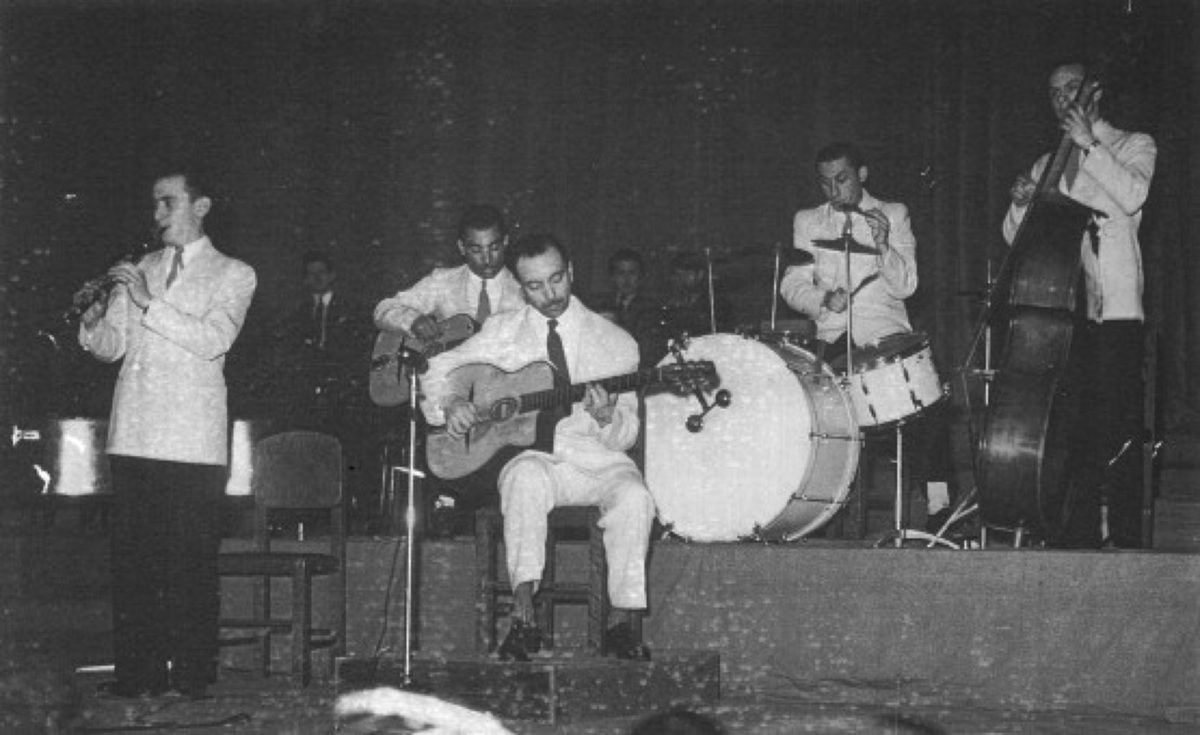
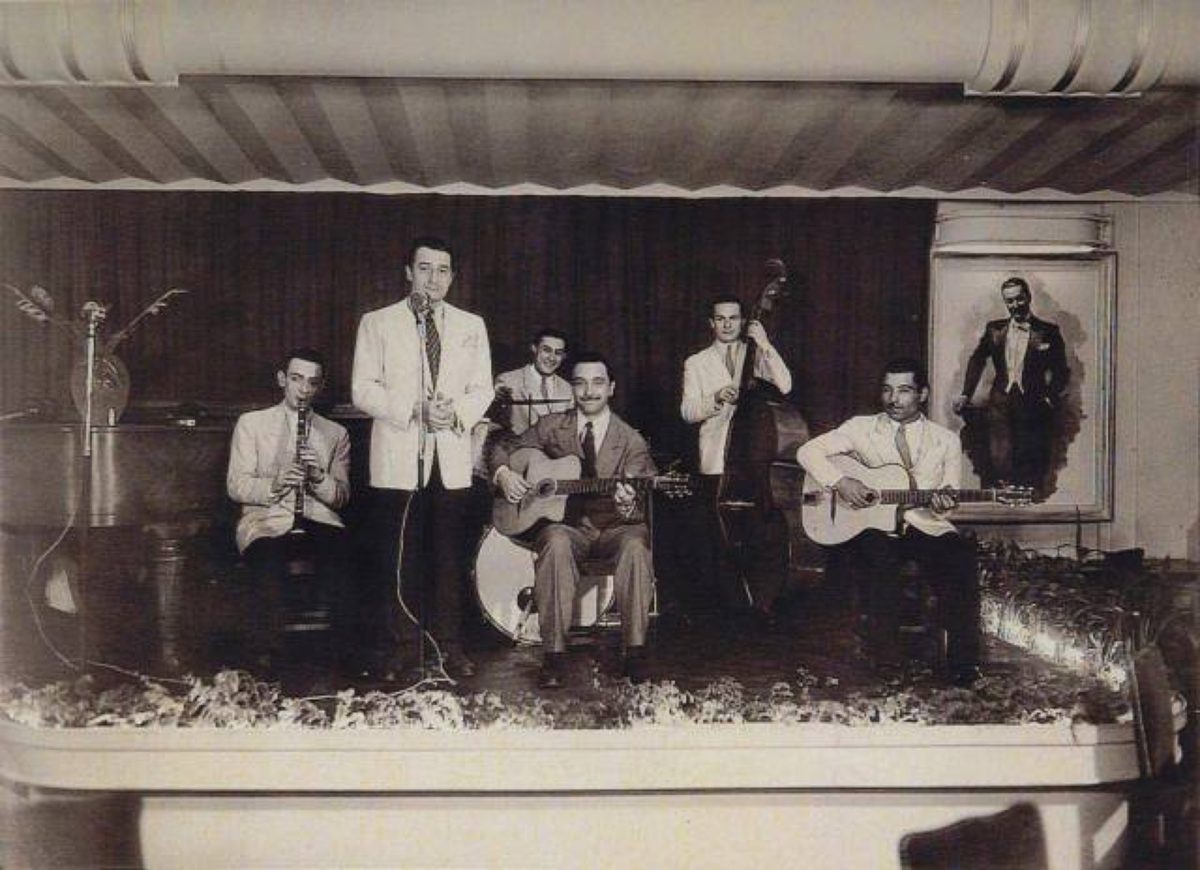
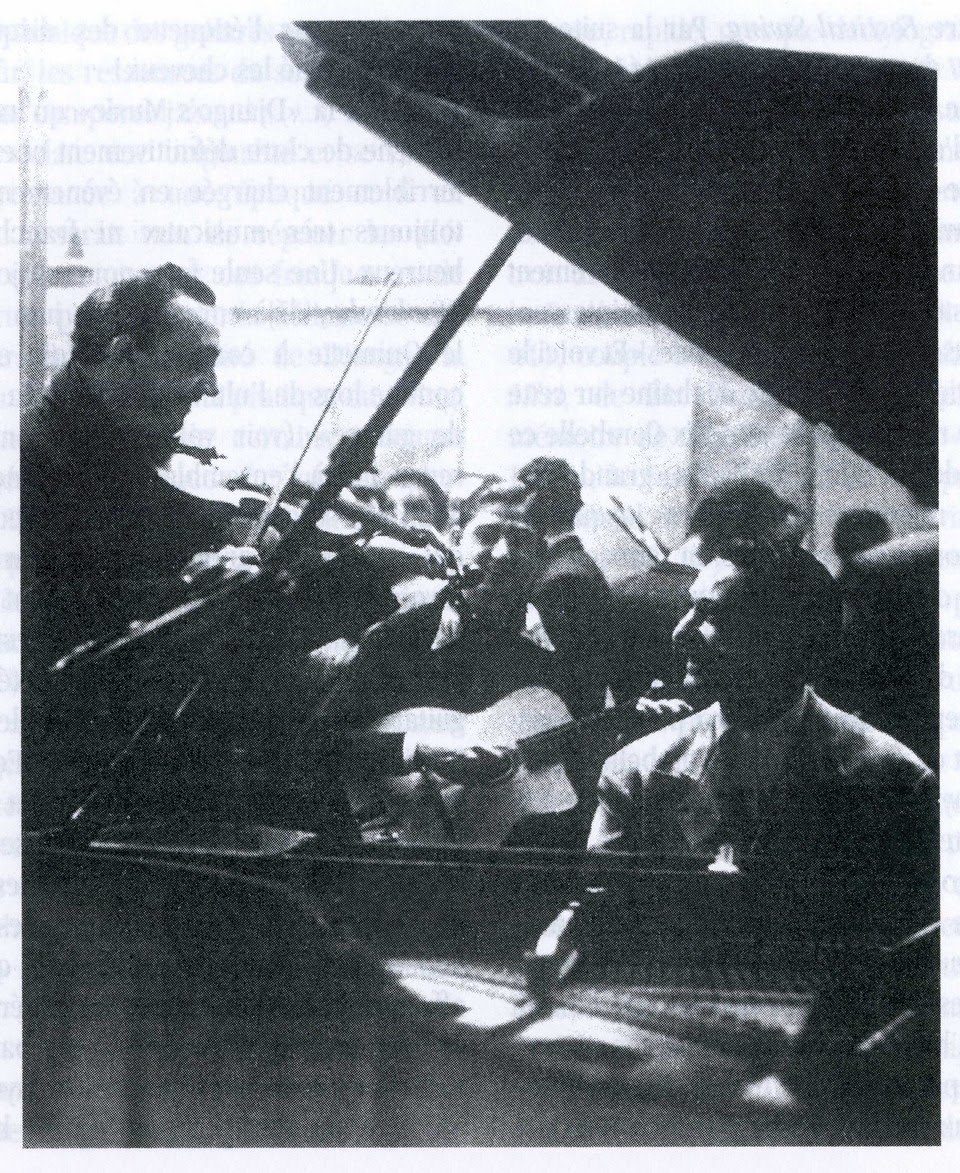
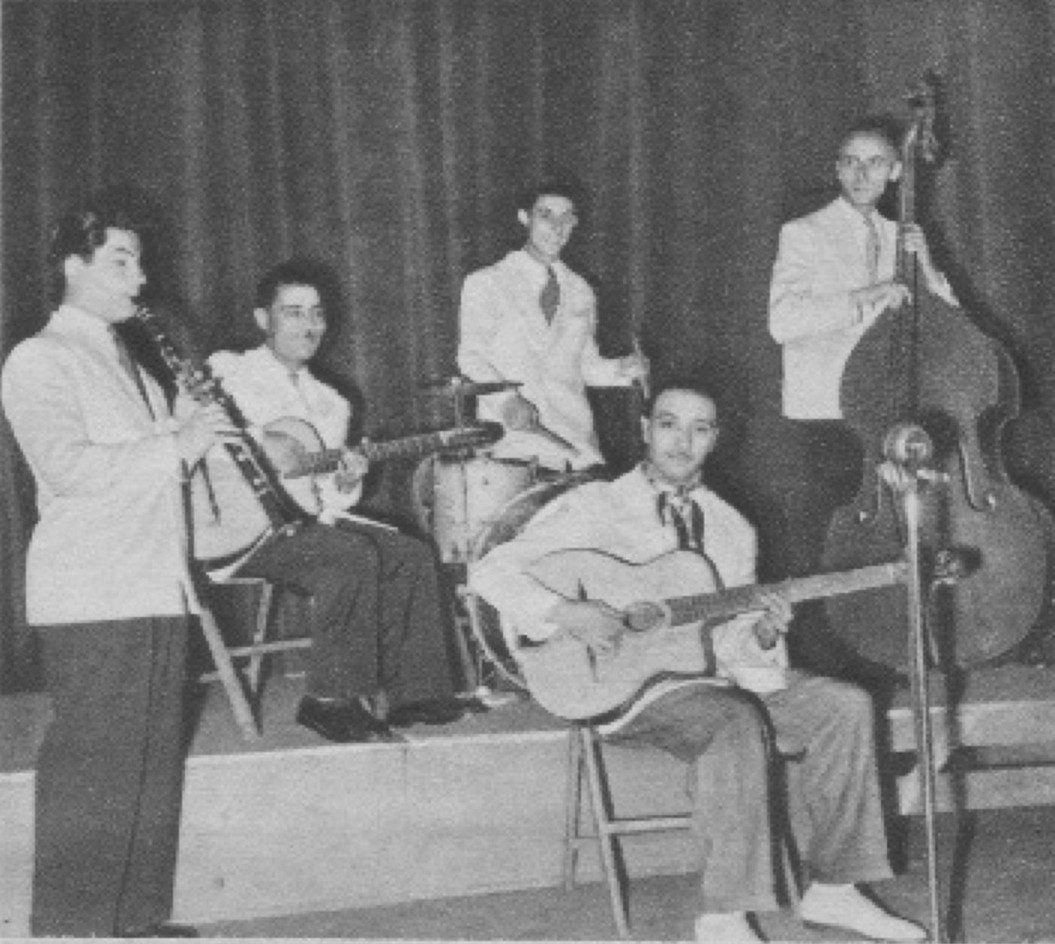
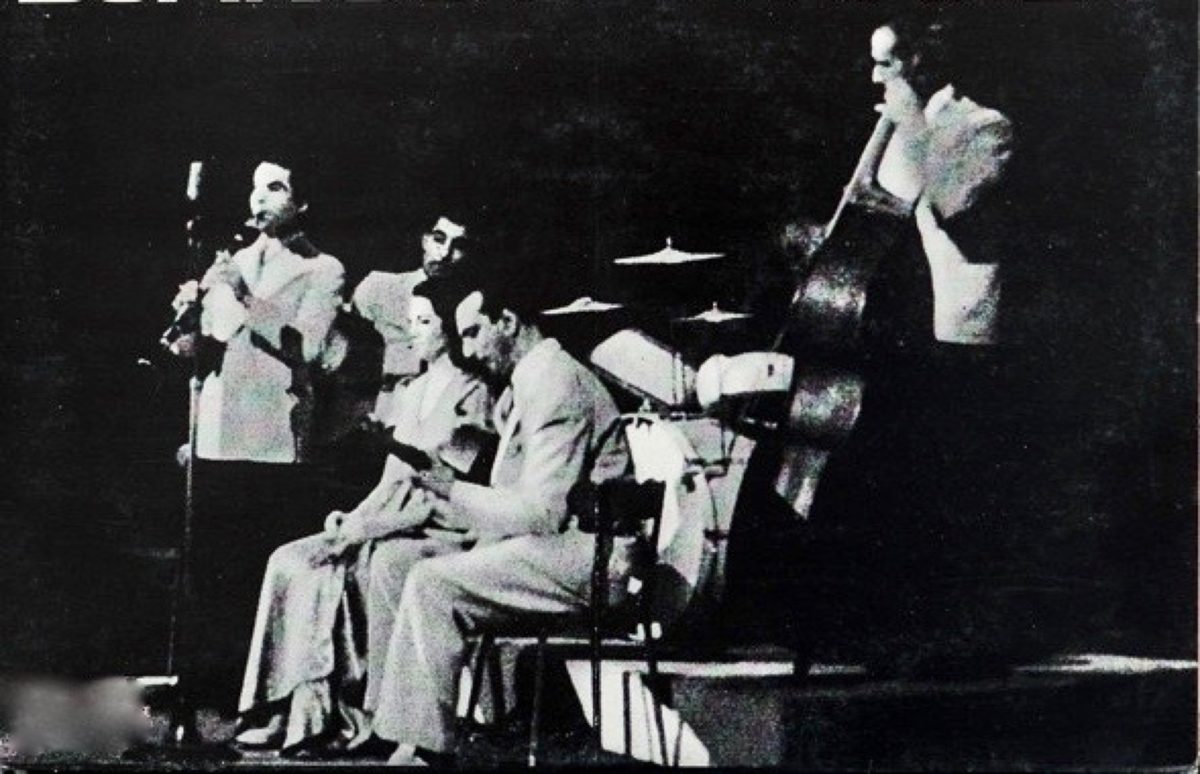
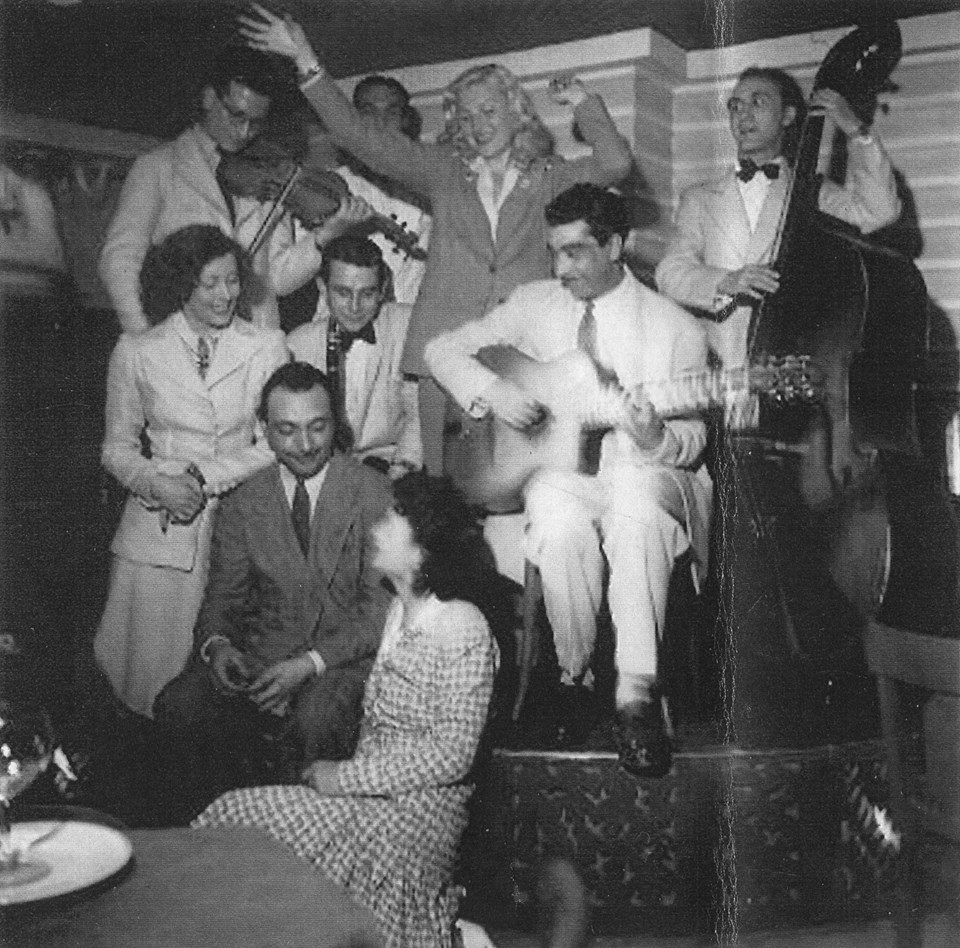
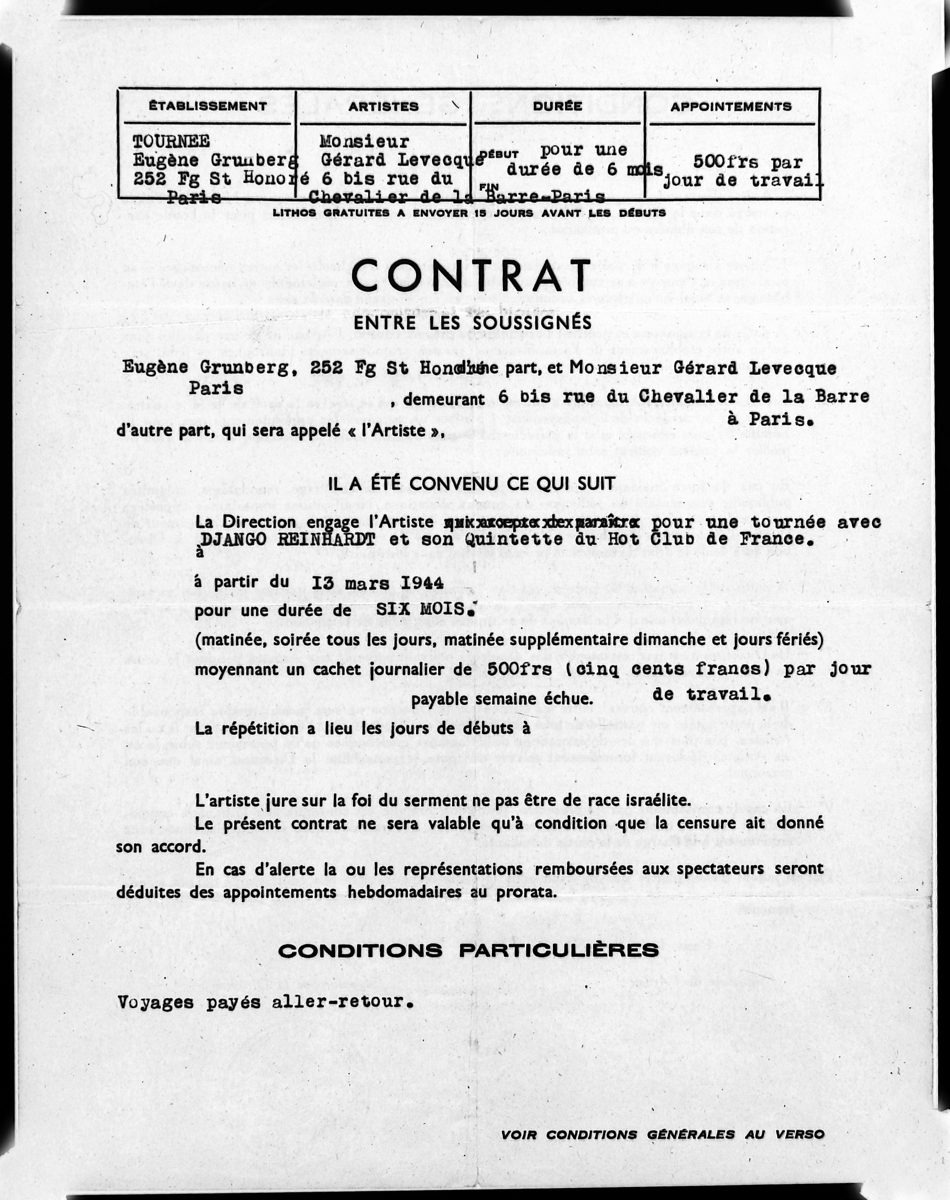
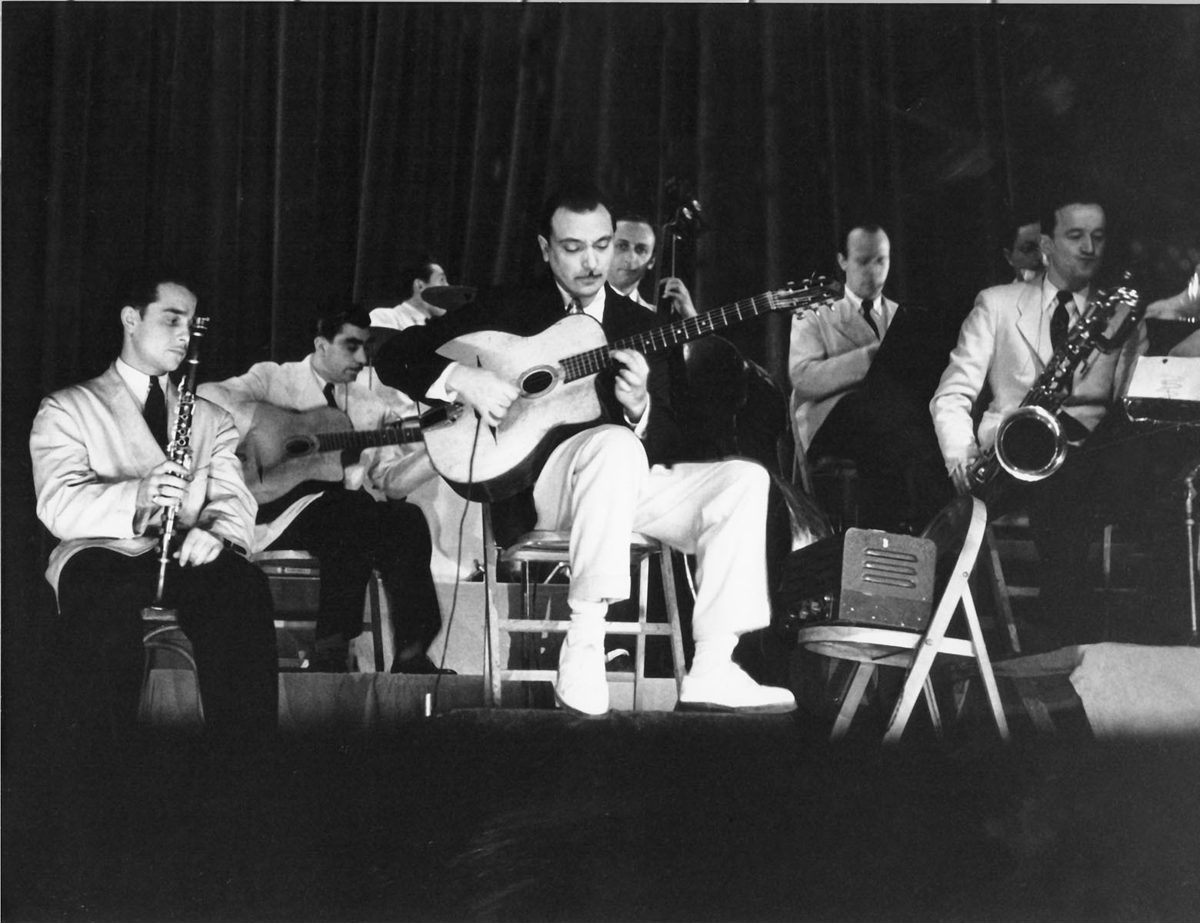
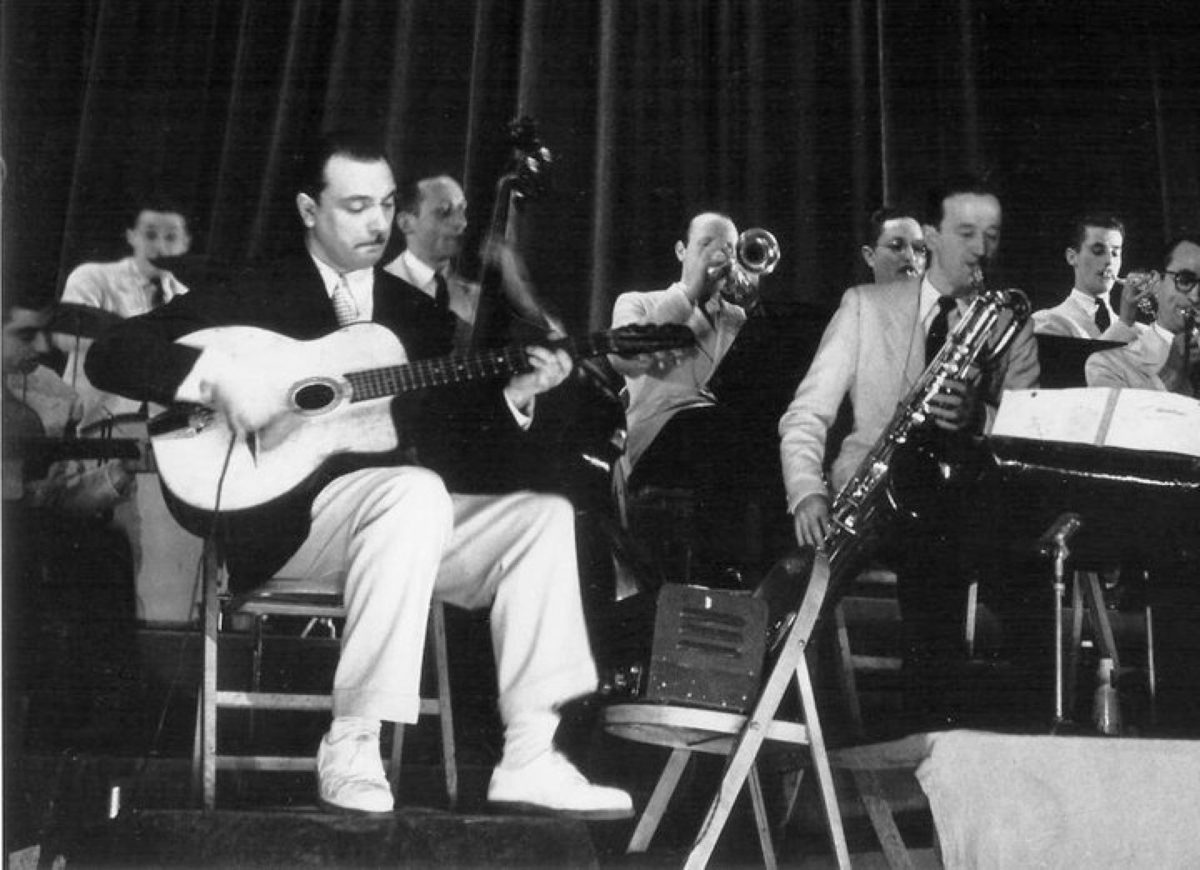
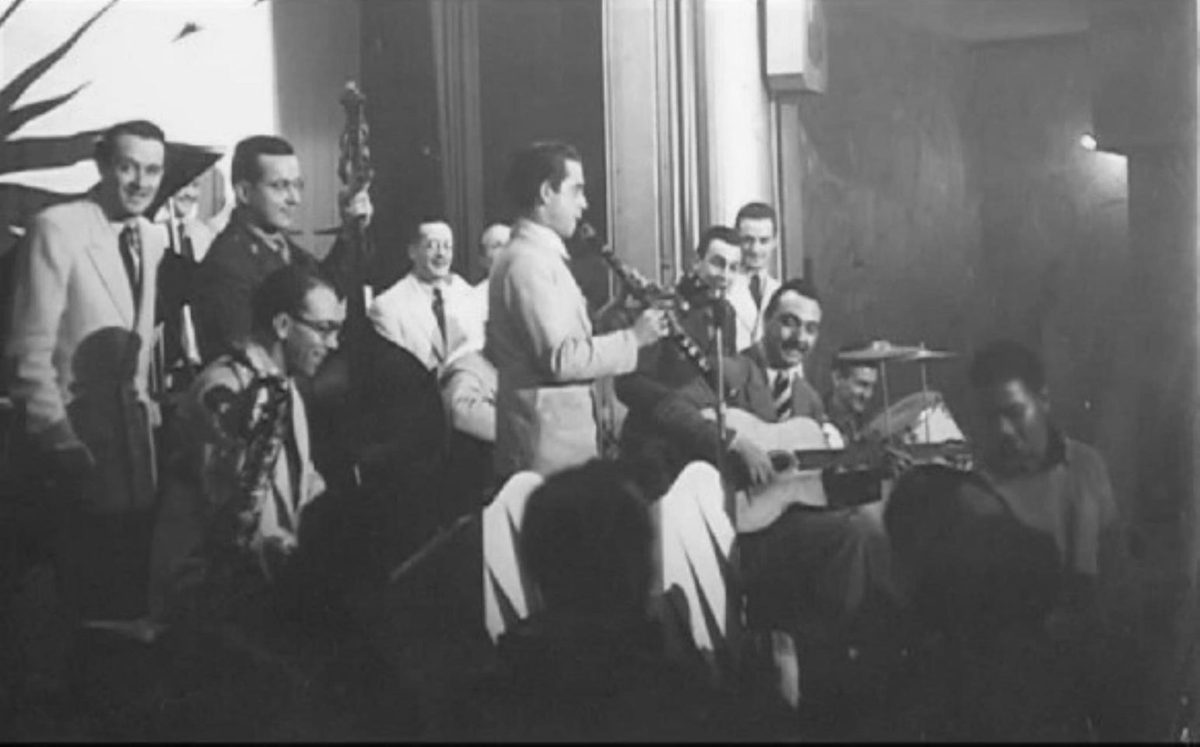
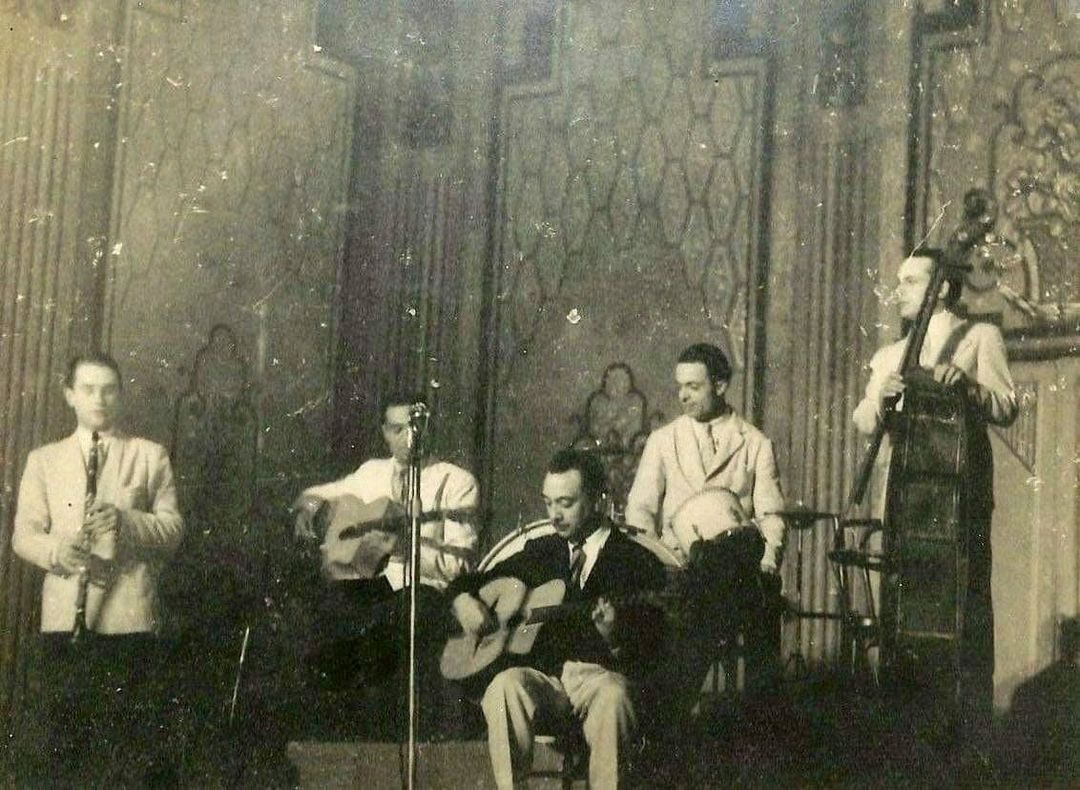
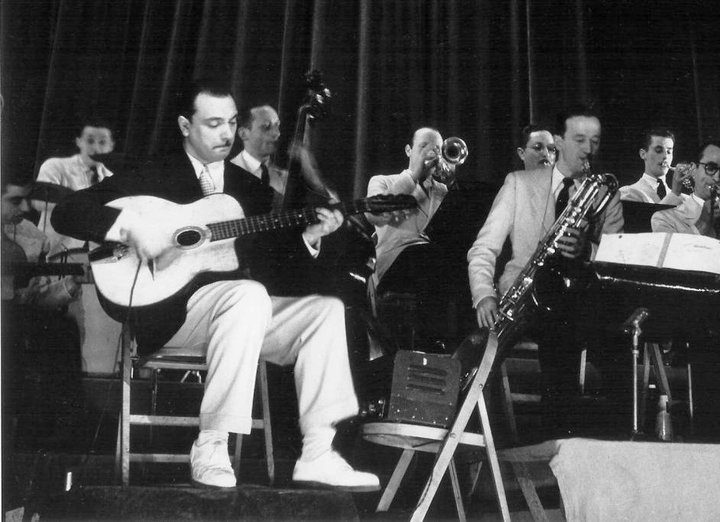
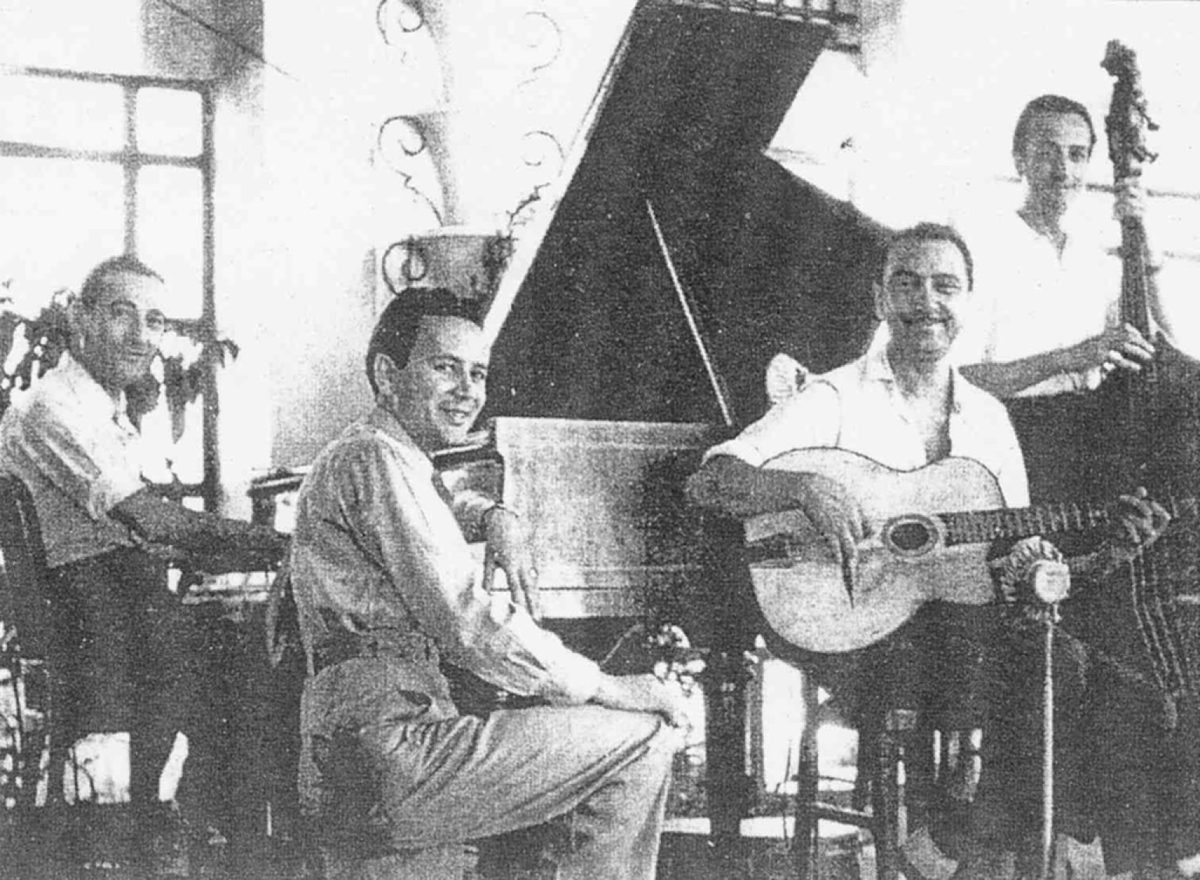
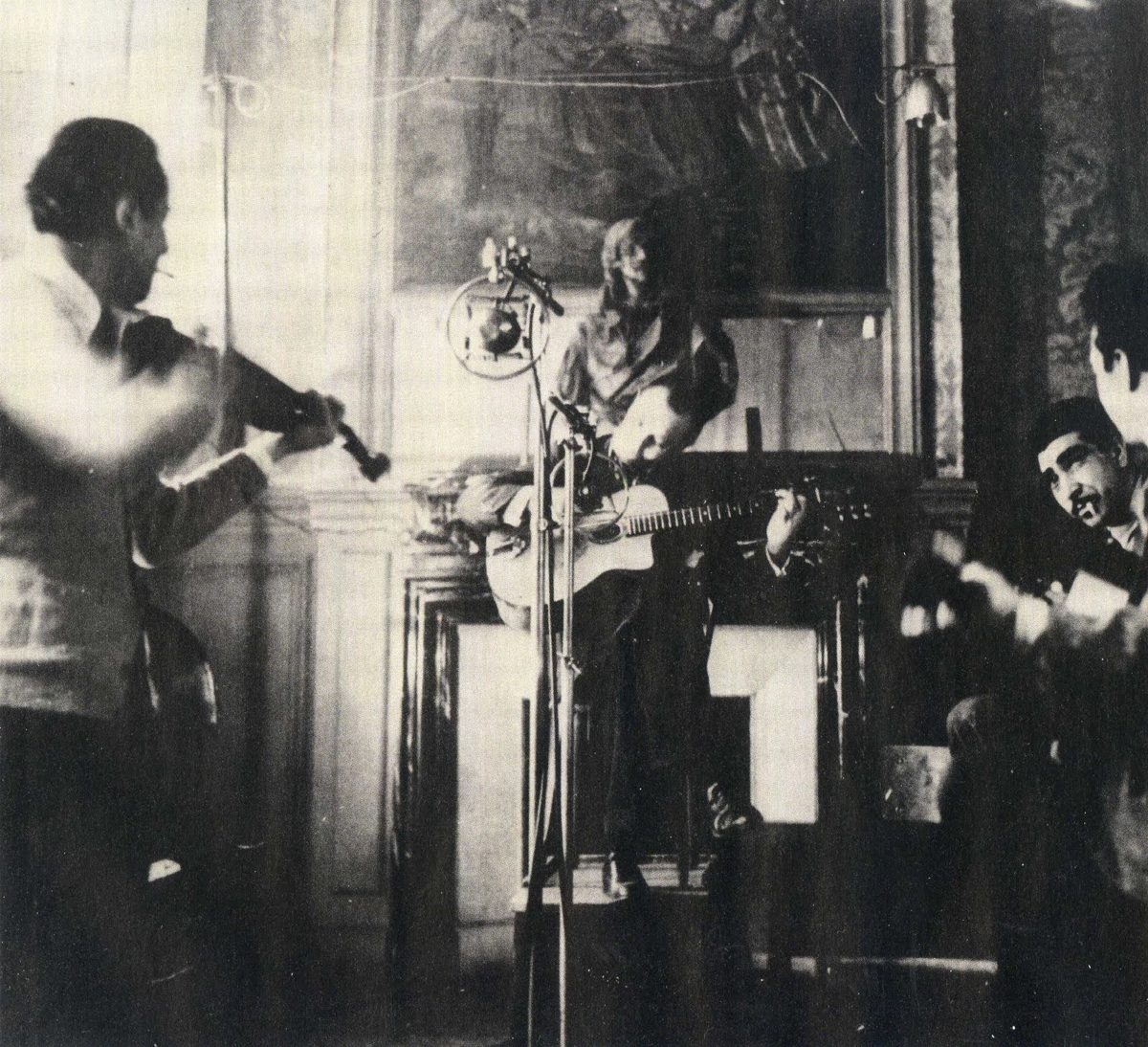
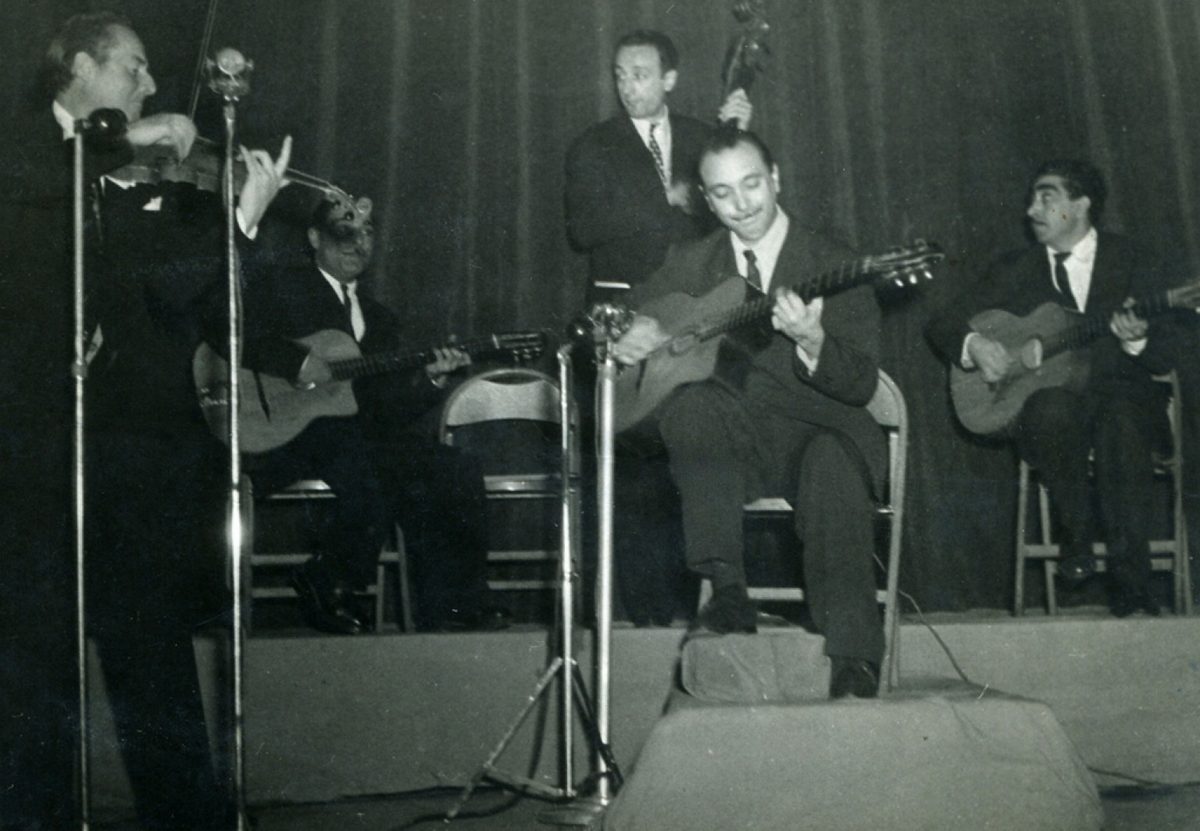
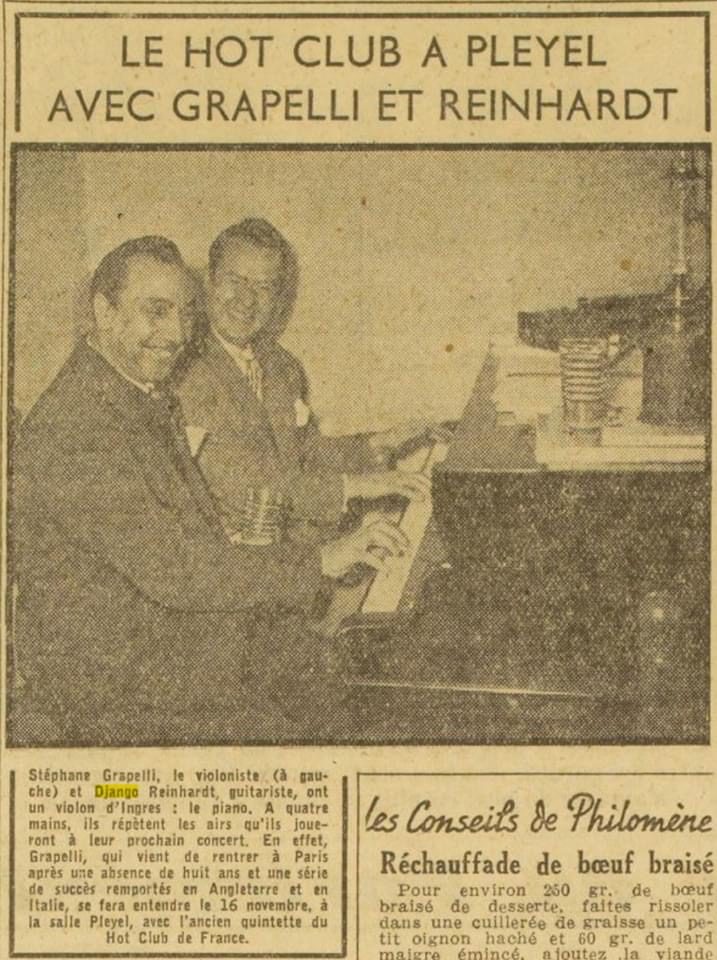
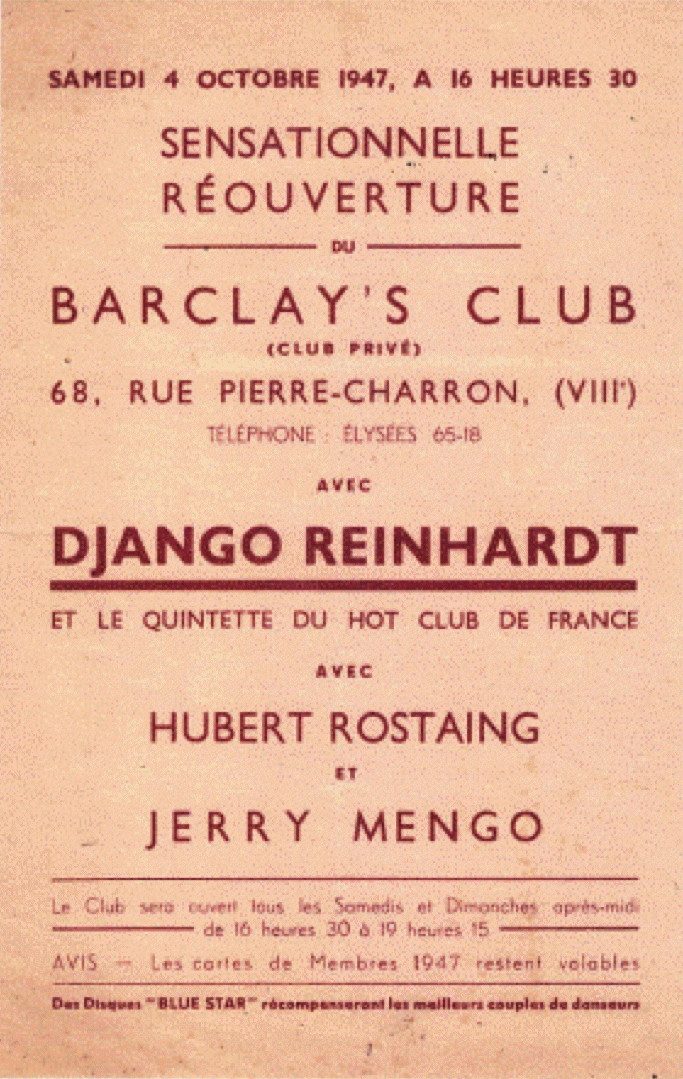
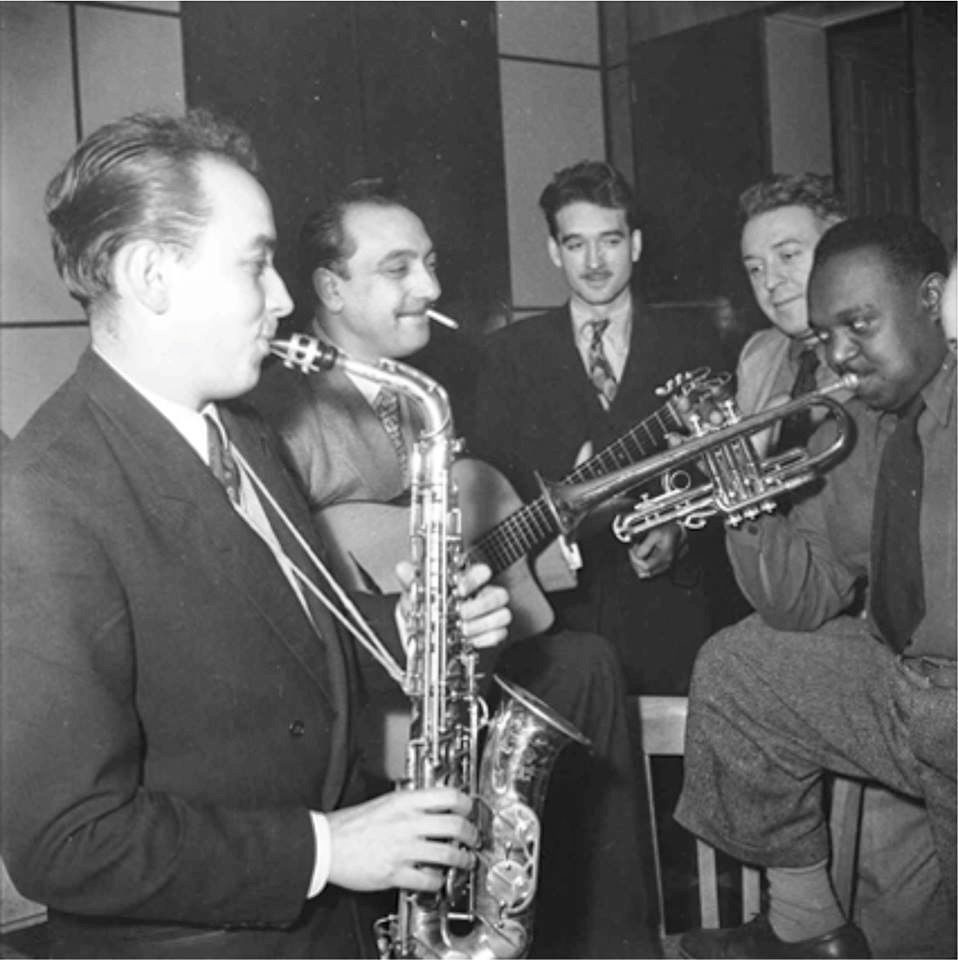
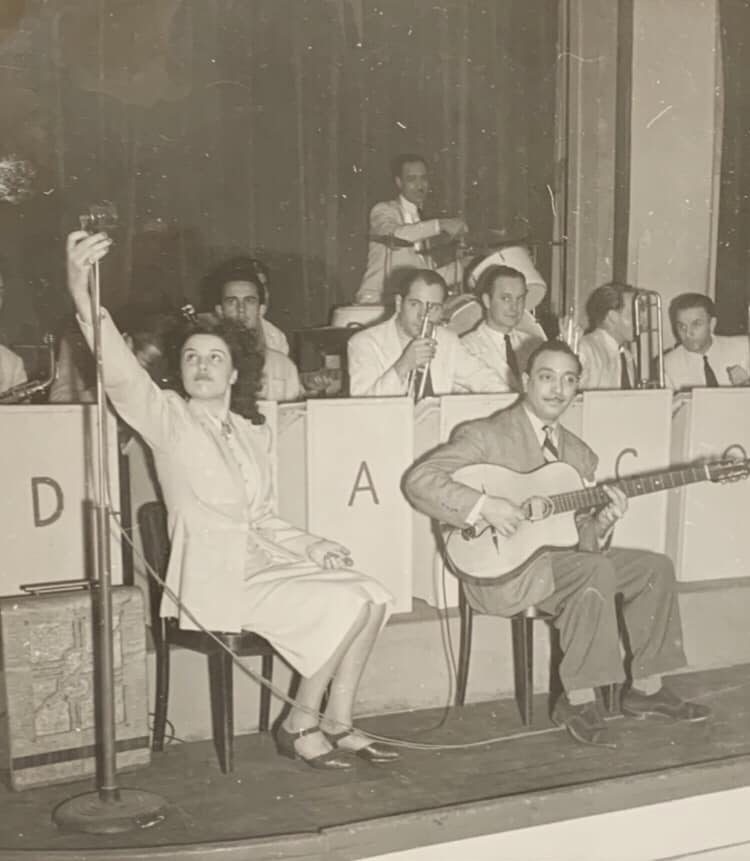
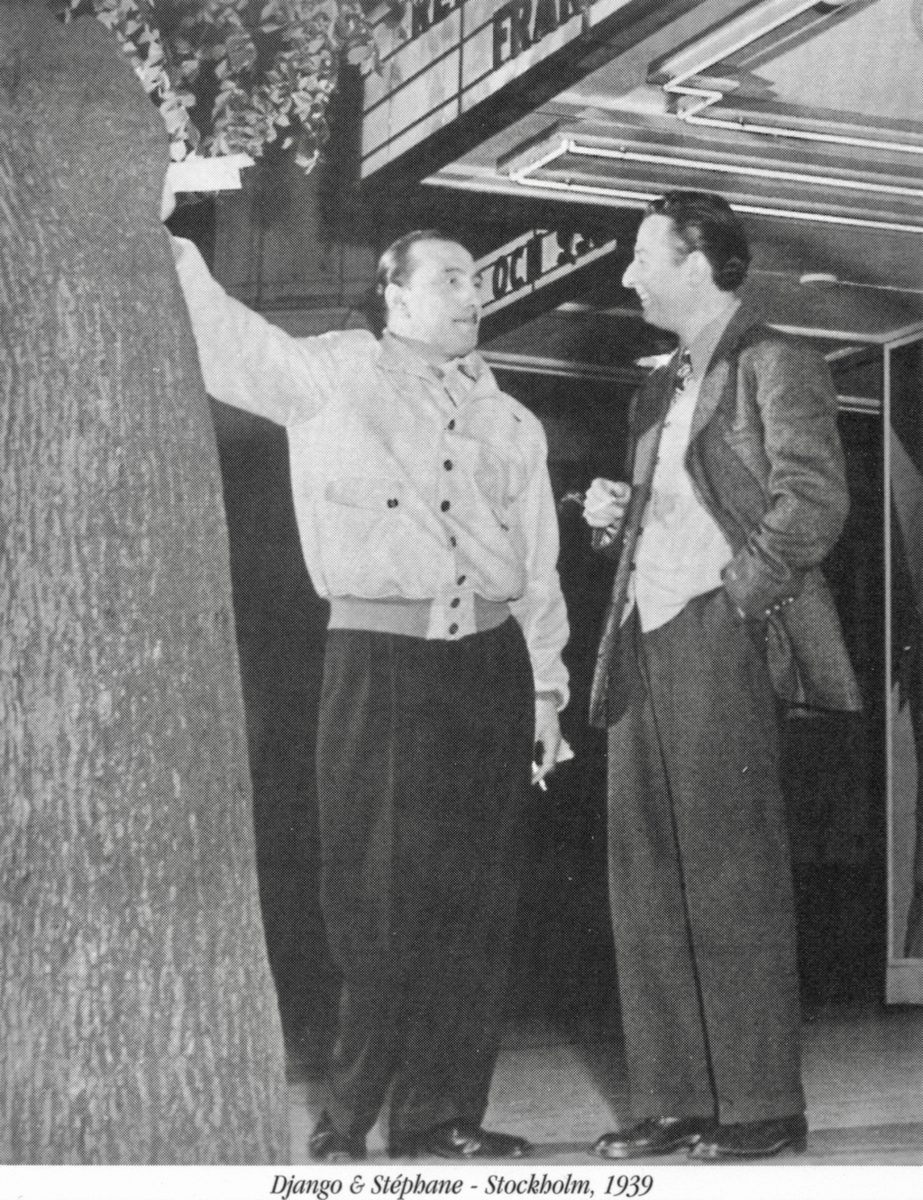
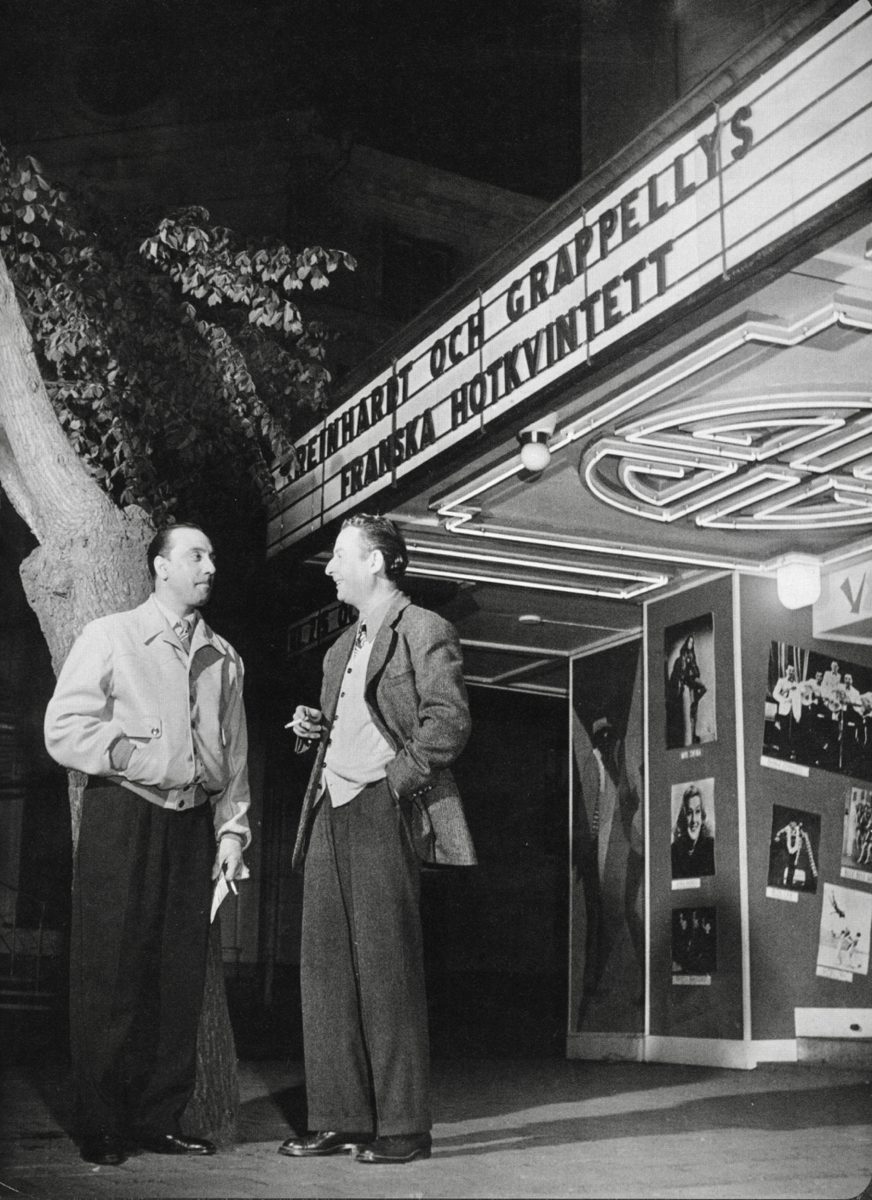
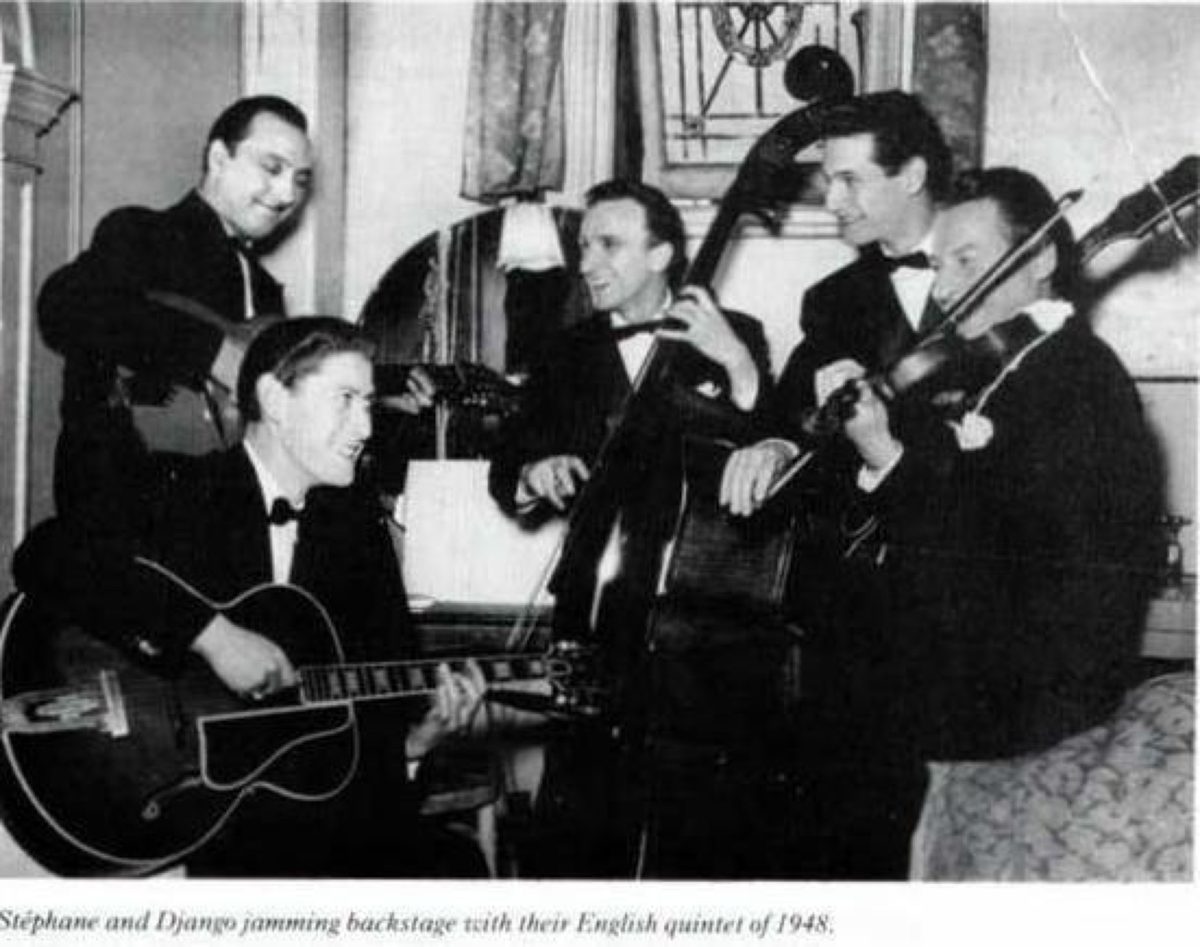
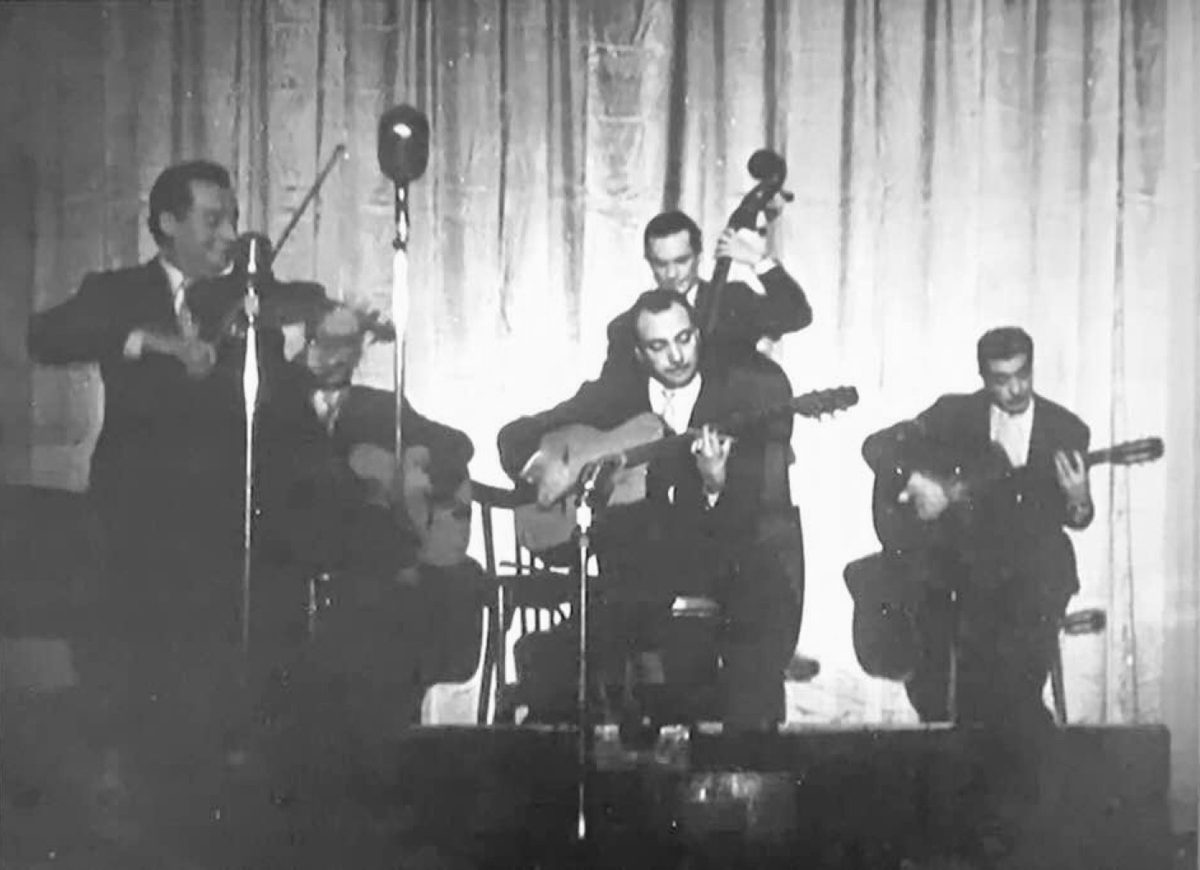
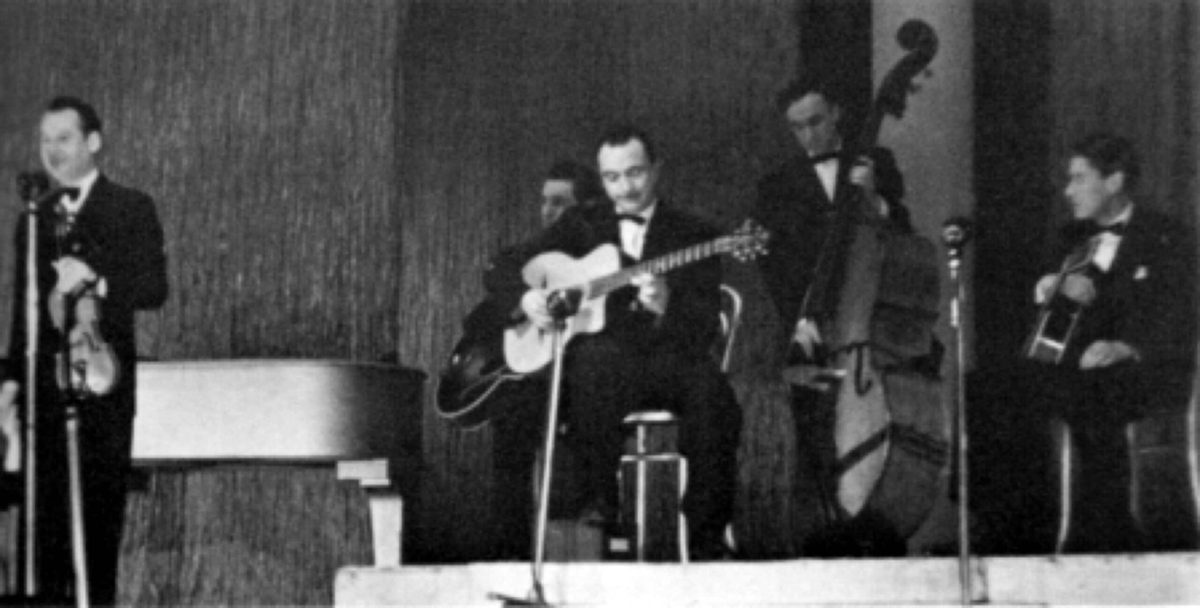
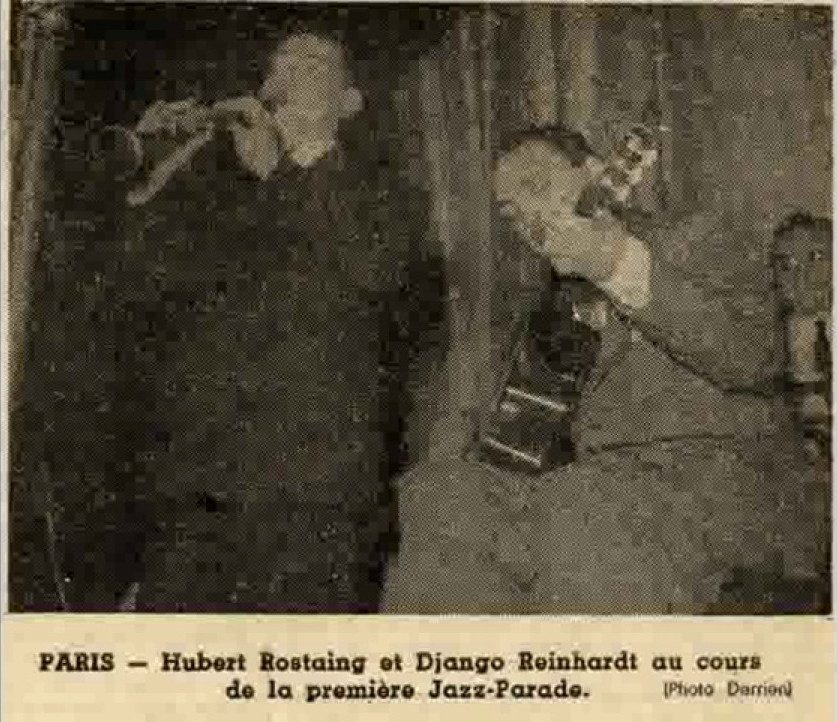
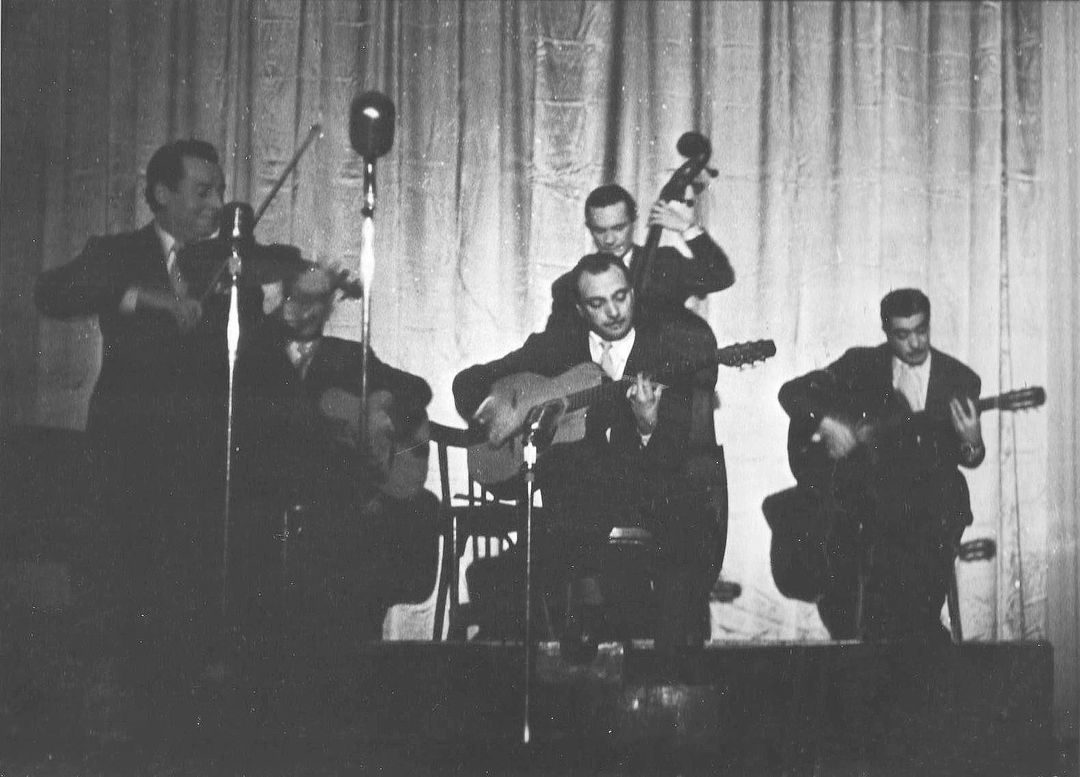
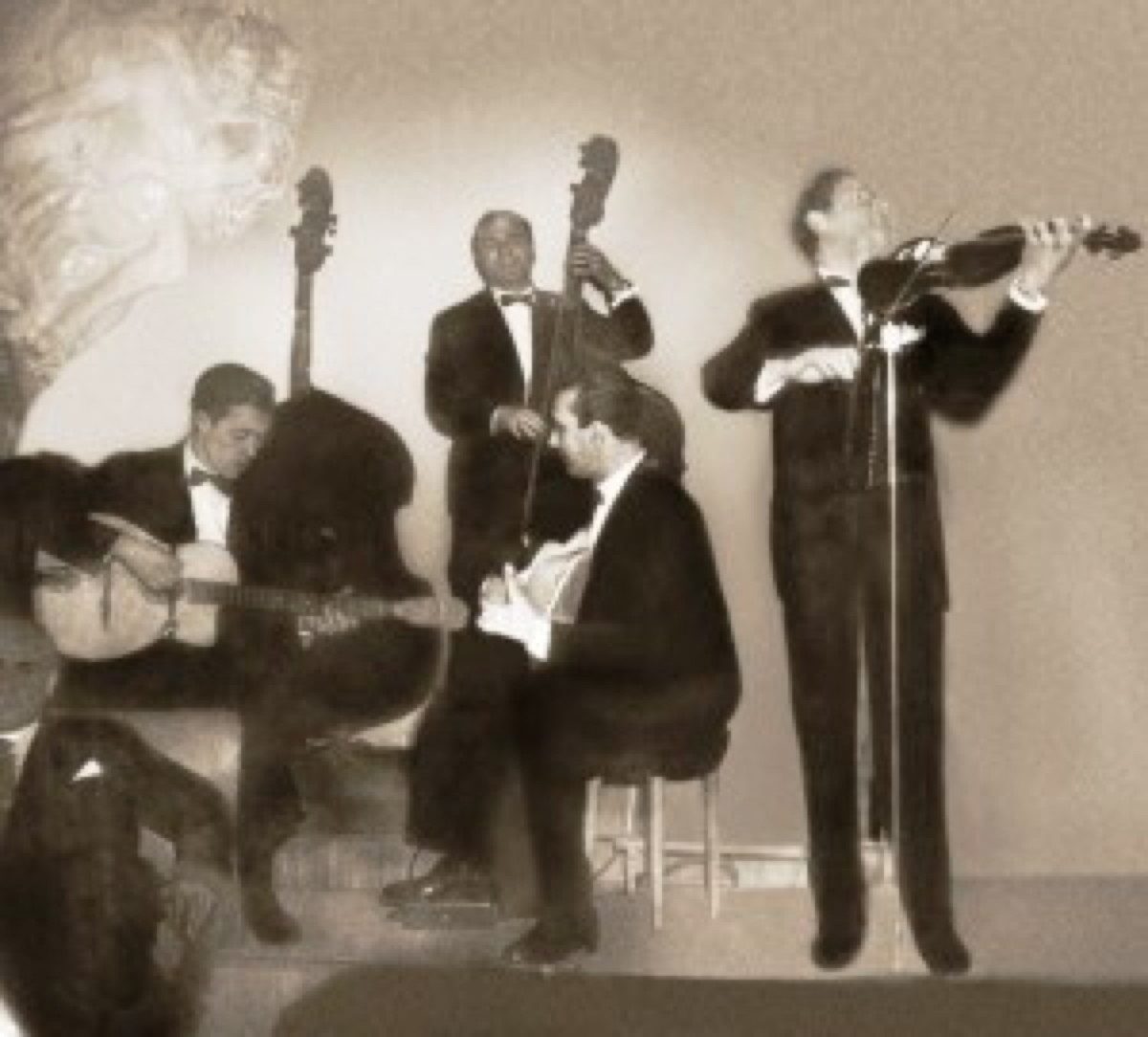
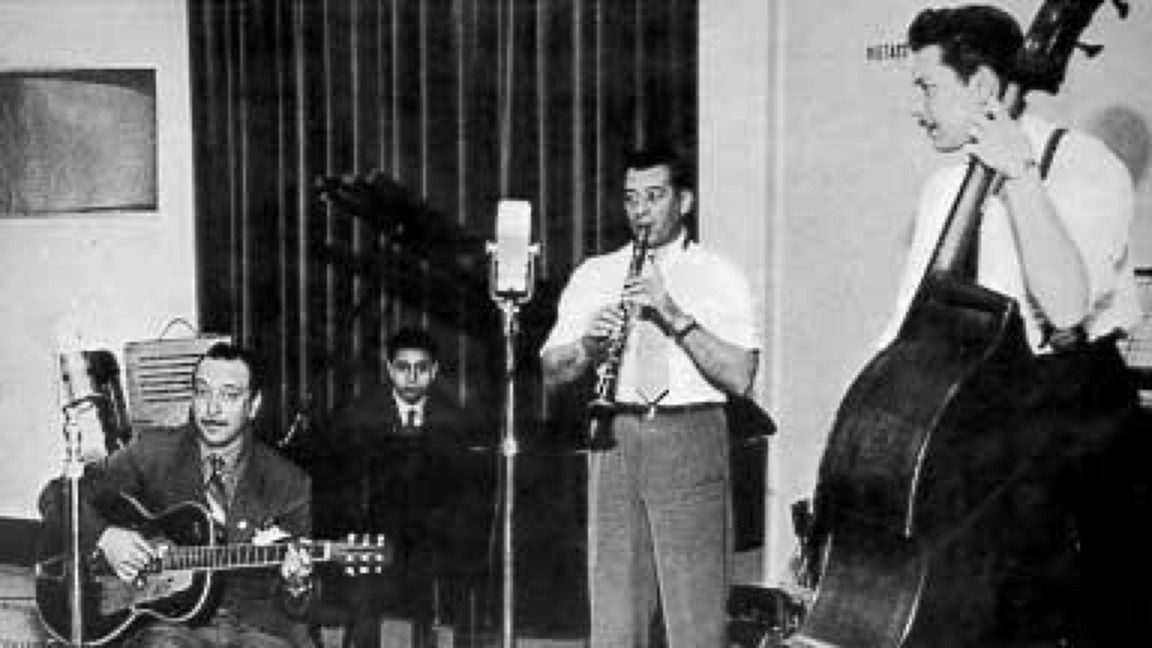
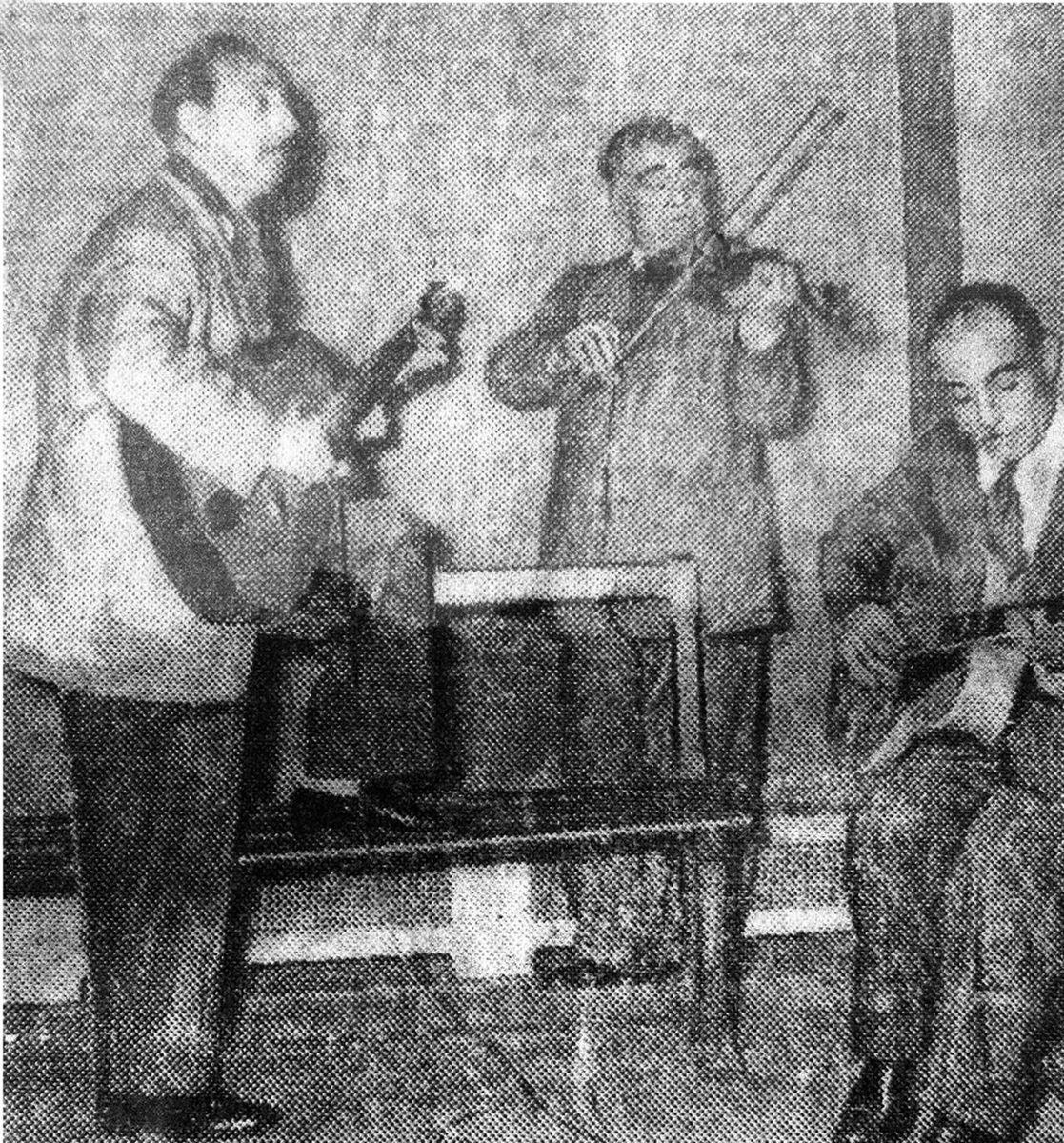
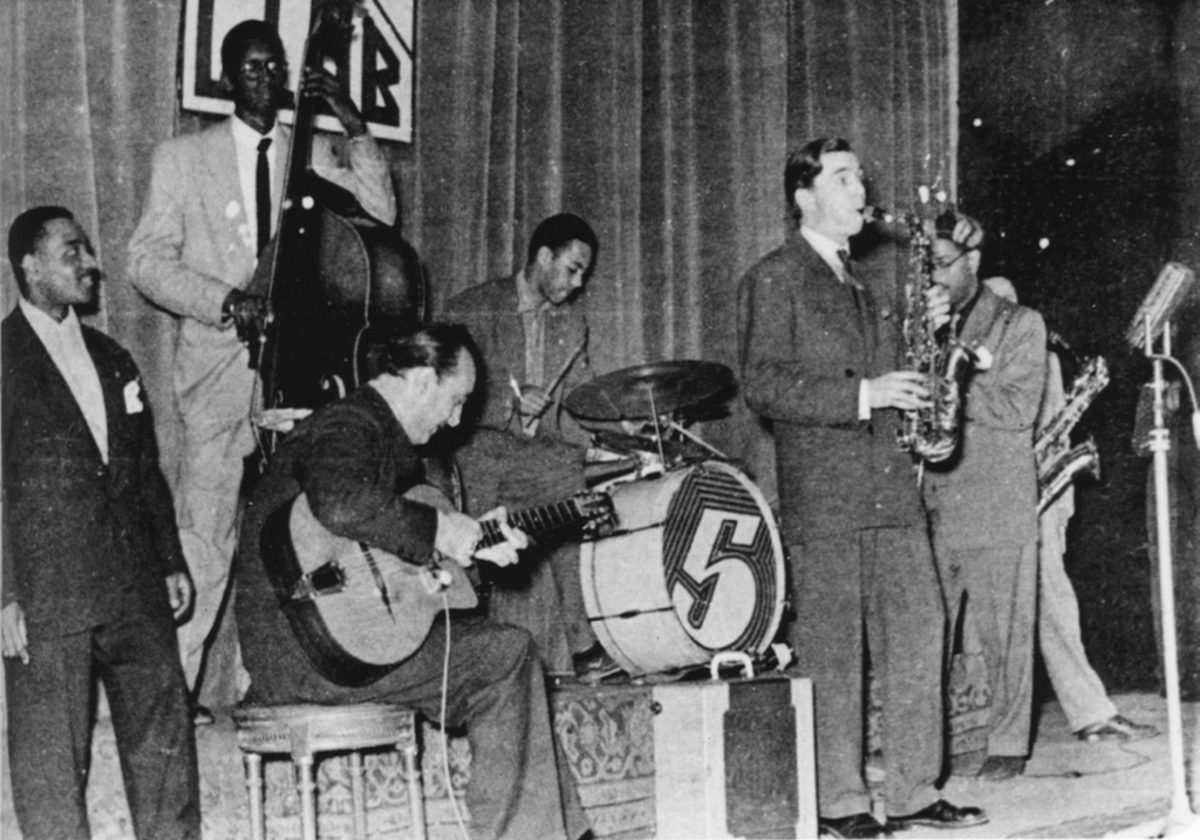
El ascenso de Django a la fama se aceleró con la formación del Hot Club de France en 1932, donde conoció al violinista Stéphane Grappelli. La sintonía musical entre ambos fue instantánea, y su colaboración dio origen a un sonido innovador que fusionaba las habilidades incomparables de Django con el virtuosismo del violín de Grappelli. Juntos formaron el Quintette du Hot Club de France, cautivando al público con sus interpretaciones enérgicas e improvisaciones innovadoras.
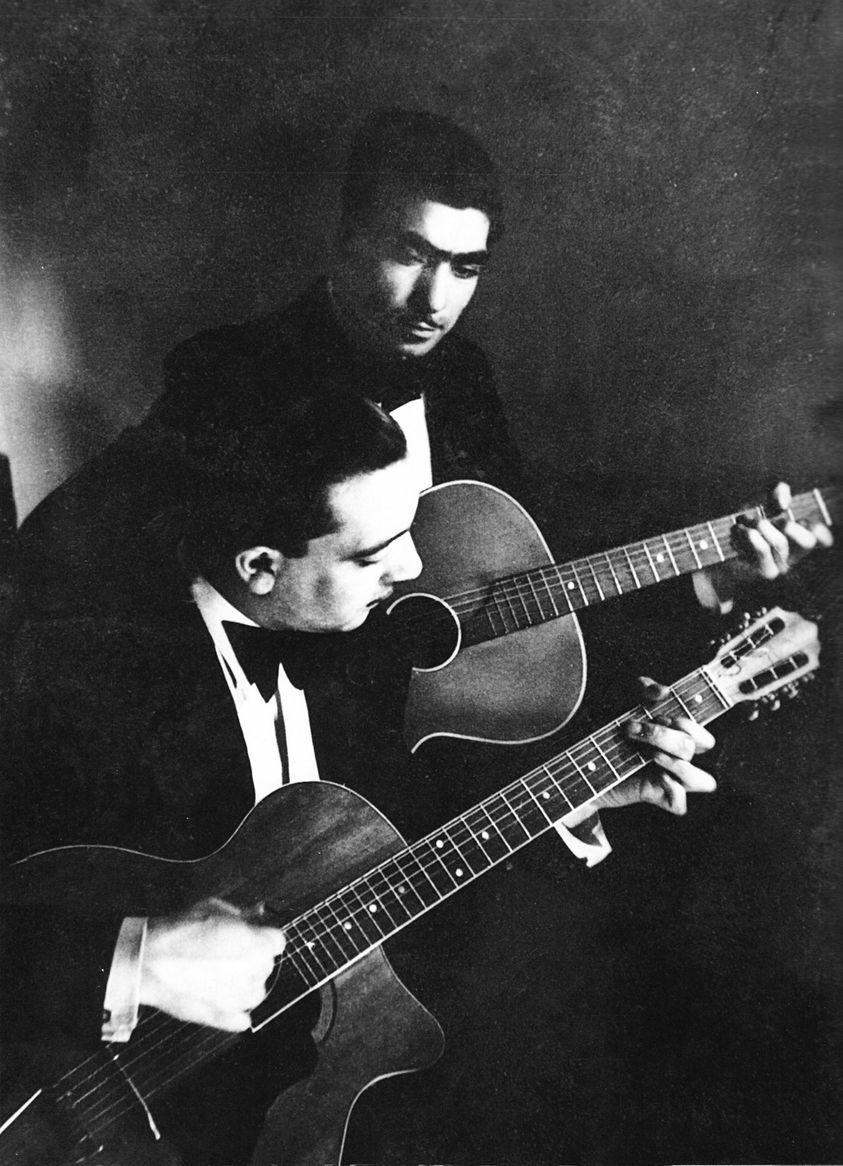
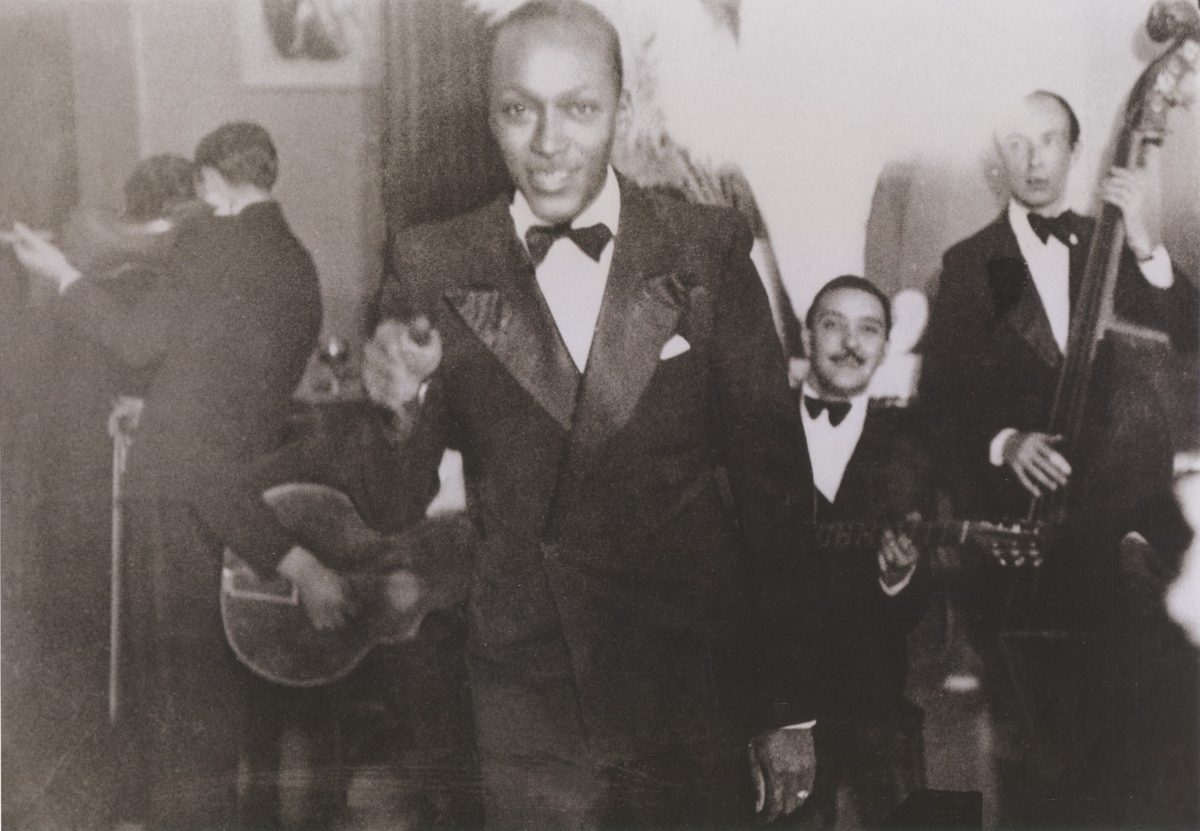
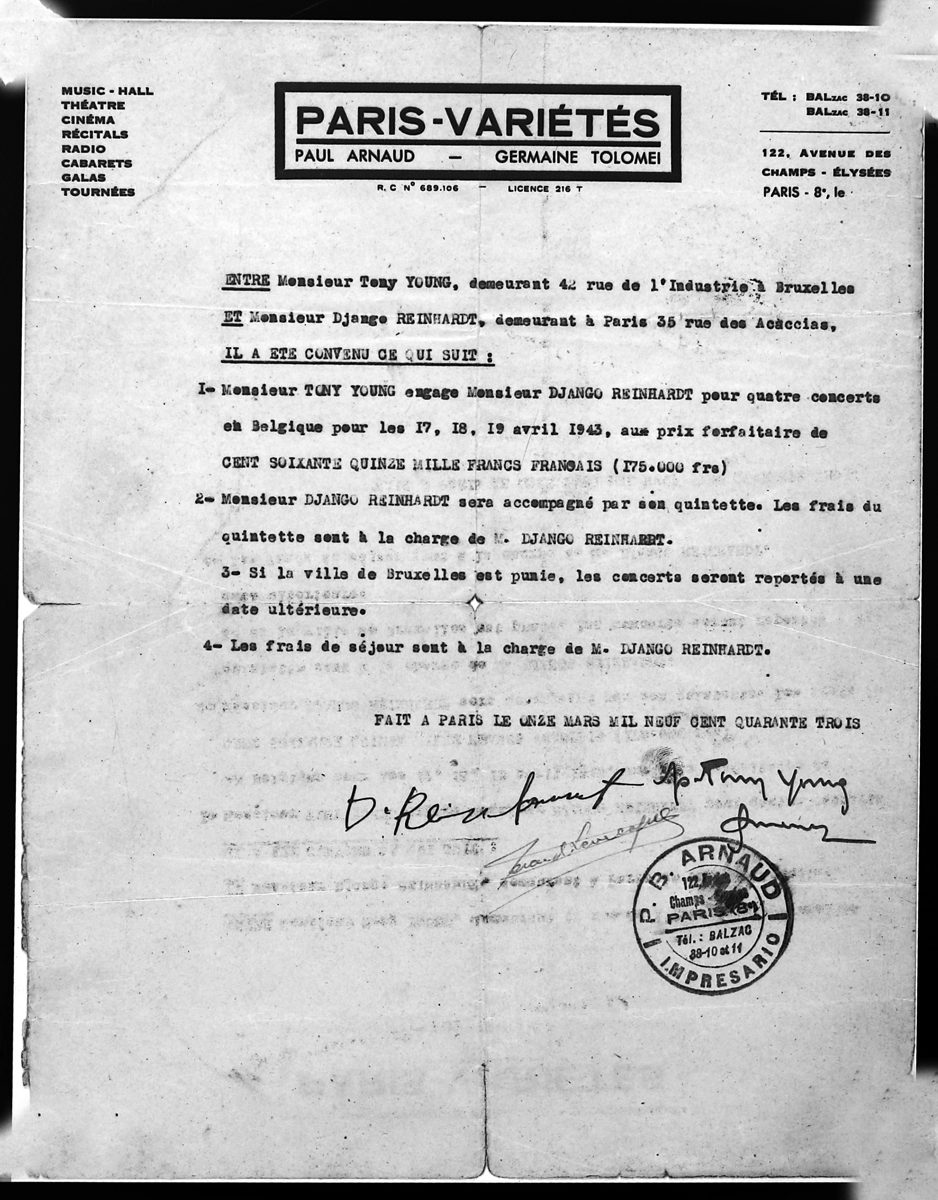
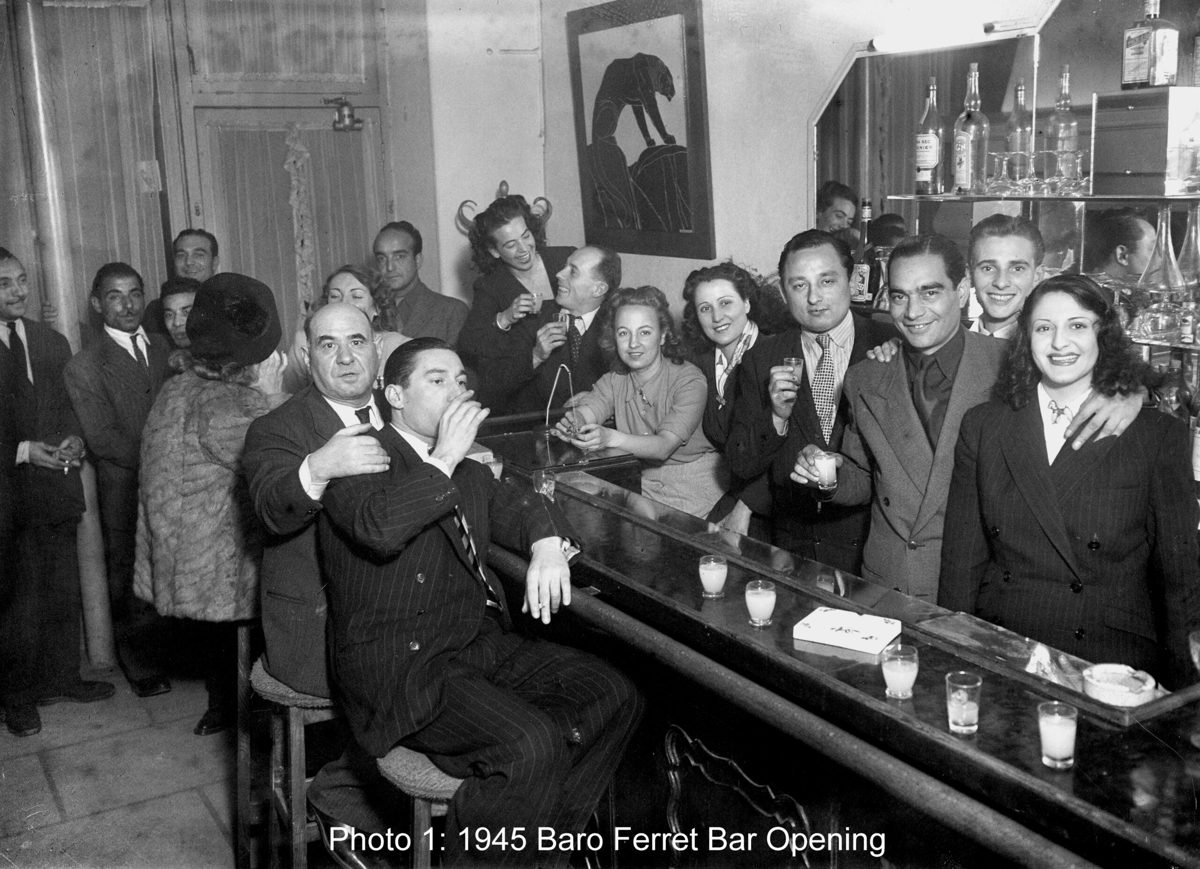
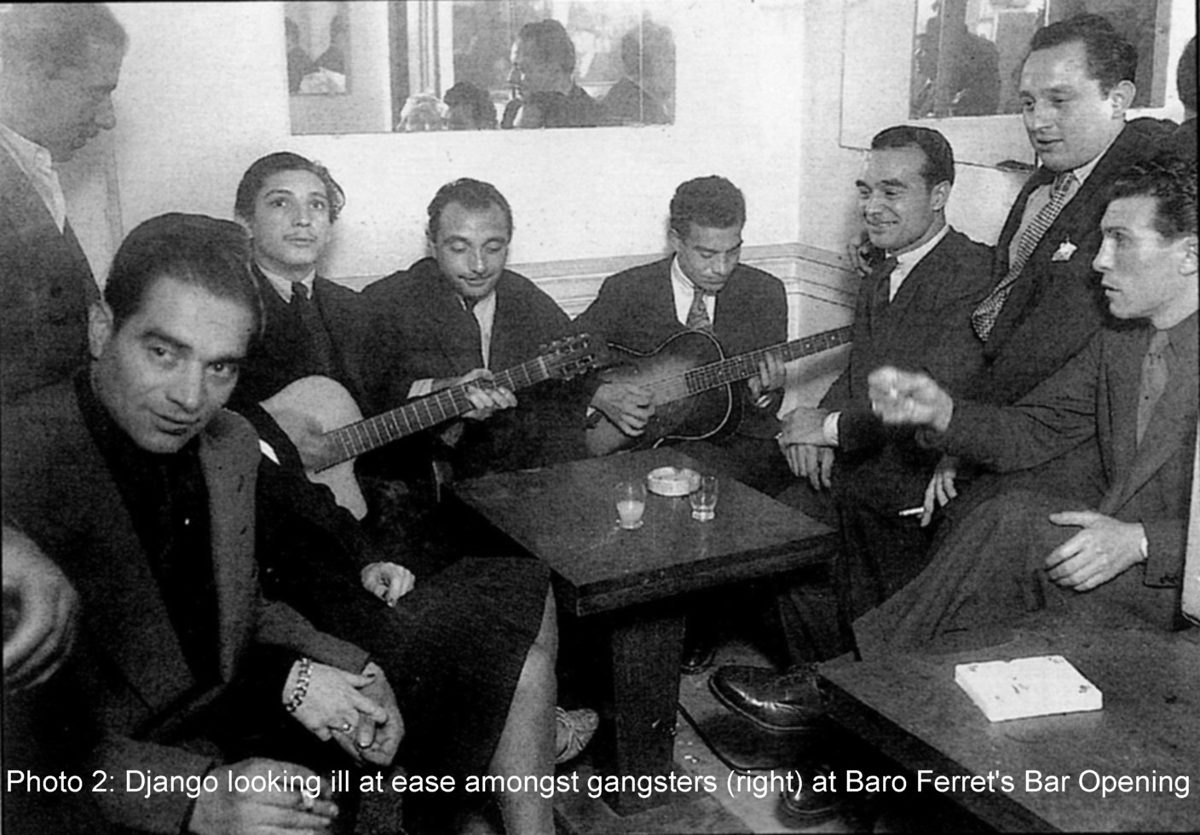
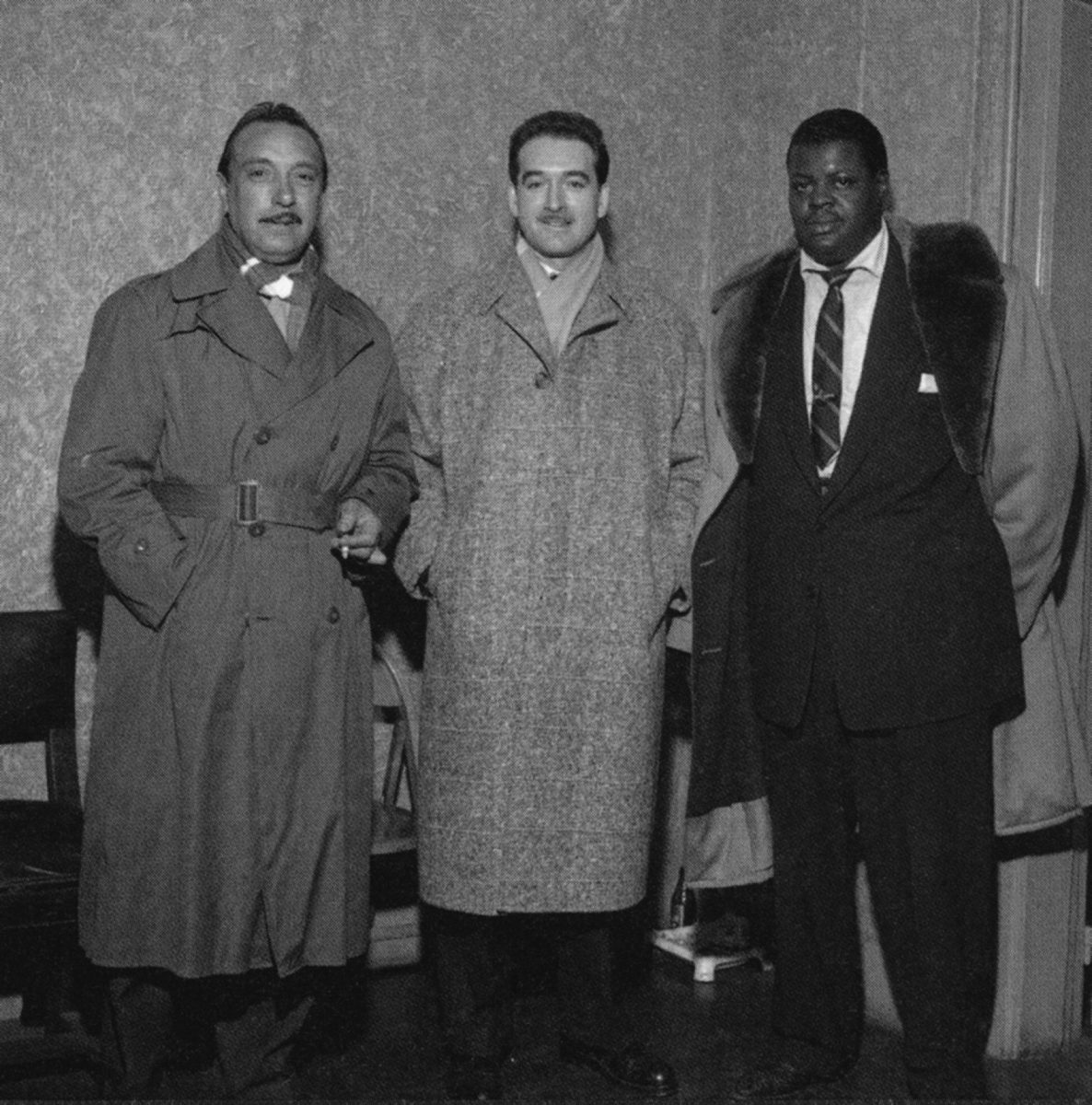
A lo largo de su carrera, Django grabó un vasto repertorio de canciones, y dejó una discografía notable que muestra su talento y su creatividad extraordinarios. Sus colaboraciones con músicos muy respetados, entre ellos los hermanos Ferré, Sarane y Baro, consolidaron aún más su lugar como un referente del mundo del jazz.
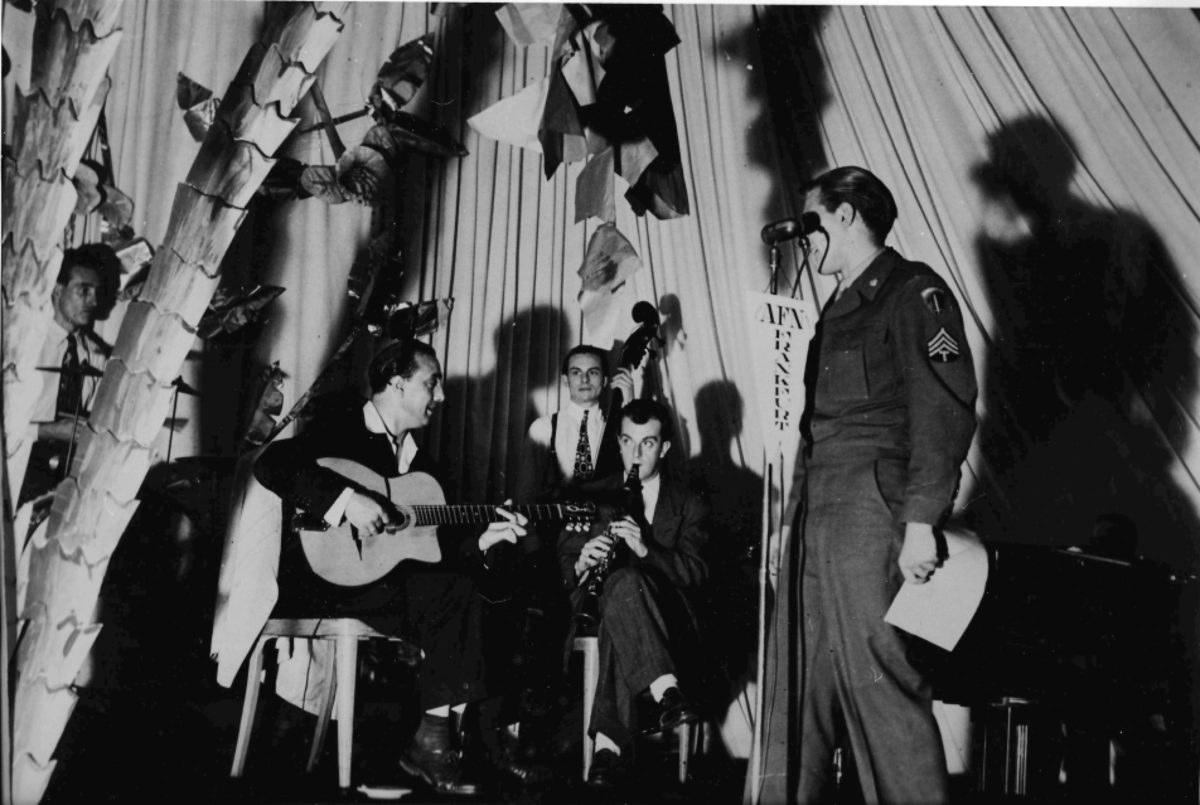
El estilo de Django se caracterizaba por su destreza notable, sus pasajes veloces y su fraseo lleno de alma. Su virtuosismo con la guitarra era incomparable, y poseía una capacidad innata para fundir el jazz tradicional con sus raíces romaníes, creando un género conocido como Gypsy Jazz o "Jazz Manouche". La música de Django irradiaba una energía irresistible, que cautivaba a los oyentes con su ritmo contagioso y su complejidad melódica.
La vida y el legado de Django Reinhardt trascendieron con creces sus aportes revolucionarios al gypsy jazz. Su influencia atraviesa generaciones e inspira a innumerables músicos a superar los límites de su arte. Incluso después de su muerte, el impacto de Django sigue siendo profundo, y su nombre es sinónimo de genialidad e innovación en el mundo de la guitarra.
La huella imborrable de Django Reinhardt en la música sigue cautivando al público de todo el mundo. Su talento incomparable, su espíritu indomable y su búsqueda incansable de la excelencia musical le han asegurado un lugar en el panteón de las leyendas de la guitarra. El legado de Django demuestra el poder de la música para trascender barreras y tocar el corazón y el alma de los oyentes de todo el planeta.
Biographie
Le génie de la guitare
Django Reinhardt, né le 23 janvier 1910 dans une roulotte, dans le village belge de Liberchies, deviendra l'un des guitaristes les plus vénérés et les plus influents de l'histoire du jazz. Né dans une famille de Manouches, Django grandit baigné dans un univers de musique vibrante et de traditions rythmiques.
Dès son plus jeune âge, sa passion pour la musique est entretenue par son père, Jean Eugène Weiss, musicien accompli, et par sa mère, Laurence « Négros » Reinhardt, danseuse. C'est dans cet environnement musical riche que le parcours de Django en tant que musicien commence à prendre forme.
Il commence par le violon, qu'il apprend auprès de son père et de ses oncles, et acquiert des bases solides en mélodie et en technique. Mais ce sont ses rencontres avec les banjoïstes Auguste « Gusti » Malha et Jean « Poulette » Castro qui vont s'avérer décisives dans son développement musical. Sous leur conduite, Django adapte rapidement ses compétences au banjo, et entame une collaboration musicale avec son frère Joseph « Nin-Nin », avec qui il joue dans les cafés de Montparnasse et au marché aux puces de Clignancourt.
En 1922, le talent prodigieux de Django attire l'attention de Vétèse Guérino, accordéoniste et chef d'orchestre réputé. Bien qu'il n'ait que 12 ans, Django rejoint l'orchestre de Guérino, ce qui marque le début de sa carrière professionnelle et l'engage sur la voie de la grandeur musicale.
En 1928, le drame frappe lorsqu'un incendie ravage sa roulotte et blesse gravement sa main gauche. Sans se laisser abattre par ce revers, Django entreprend un parcours miraculeux de rétablissement et d'adaptation. Avec seulement deux doigts fonctionnels à la main gauche, il développe une technique révolutionnaire qui transforme le jeu de la guitare. Son approche novatrice, caractérisée par des voicings d'accords complexes et des traits de notes simples foudroyants, devient son style signature et fait de lui un véritable pionnier musical.
L'ascension de Django s'accélère avec la formation du Hot Club de France en 1932, où il rencontre le violoniste Stéphane Grappelli. Leur complicité musicale est immédiate, et leur collaboration donne naissance à un son inédit, mêlant l'extraordinaire talent de guitariste de Django au jeu virtuose du violon de Grappelli. Ensemble, ils forment le Quintette du Hot Club de France, captivant le public par leurs interprétations pleines d'énergie et leurs improvisations novatrices.
Tout au long de sa carrière, Django enregistre un vaste répertoire de chansons, laissant une discographie remarquable qui témoigne de son talent et de sa créativité extraordinaires. Ses collaborations avec des musiciens estimés, notamment les frères Ferré, Sarane et Baro, ont encore consolidé sa position de figure majeure du monde du jazz.
Le style de jeu de Django se caractérise par son habileté remarquable, ses traits foudroyants et son phrasé plein d'âme. Son virtuosité à la guitare était sans égale, et il possédait une aptitude naturelle à fondre le jazz traditionnel avec ses racines romani, créant un genre connu sous le nom de Gypsy Jazz ou « Jazz Manouche ». La musique de Django dégageait une énergie irrésistible, captivant les auditeurs par son rythme communicatif et sa complexité mélodique.
La vie et l'héritage de Django Reinhardt dépassent largement ses apports révolutionnaires au gypsy jazz. Son influence traverse les générations et inspire d'innombrables musiciens à repousser les limites de leur art. Même après sa disparition, l'impact de Django demeure profond, et son nom est synonyme de génie et d'innovation dans le monde de la guitare.
La marque indélébile que Django Reinhardt a laissée sur la musique continue de captiver le public du monde entier. Son talent incomparable, son esprit indomptable et sa quête inlassable de l'excellence musicale lui ont assuré une place au panthéon des légendes de la guitare. L'héritage de Django témoigne du pouvoir de la musique à transcender les frontières et à toucher le cœur et l'âme des auditeurs à travers le globe.