Gypsy Jazz Online

← Musiciens

Django Reinhardt in USA 1946

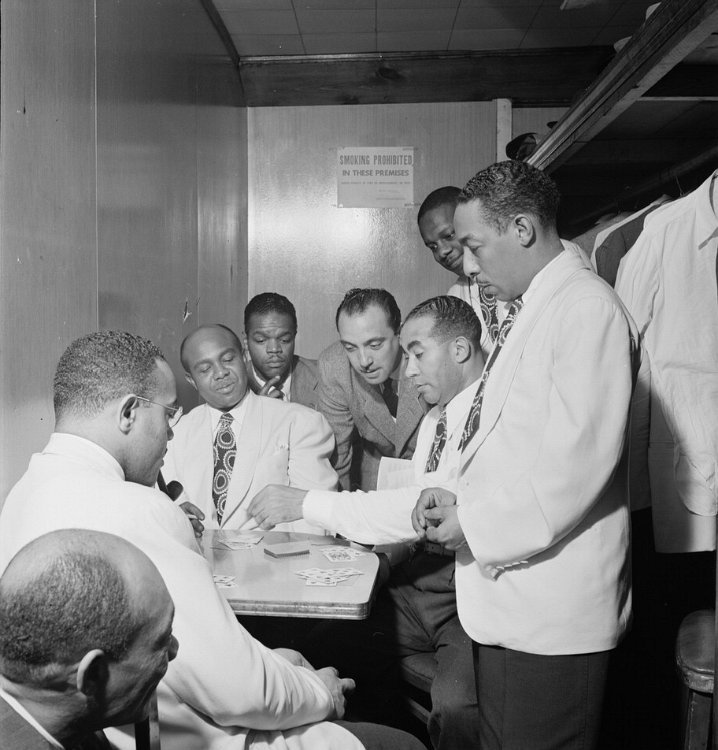
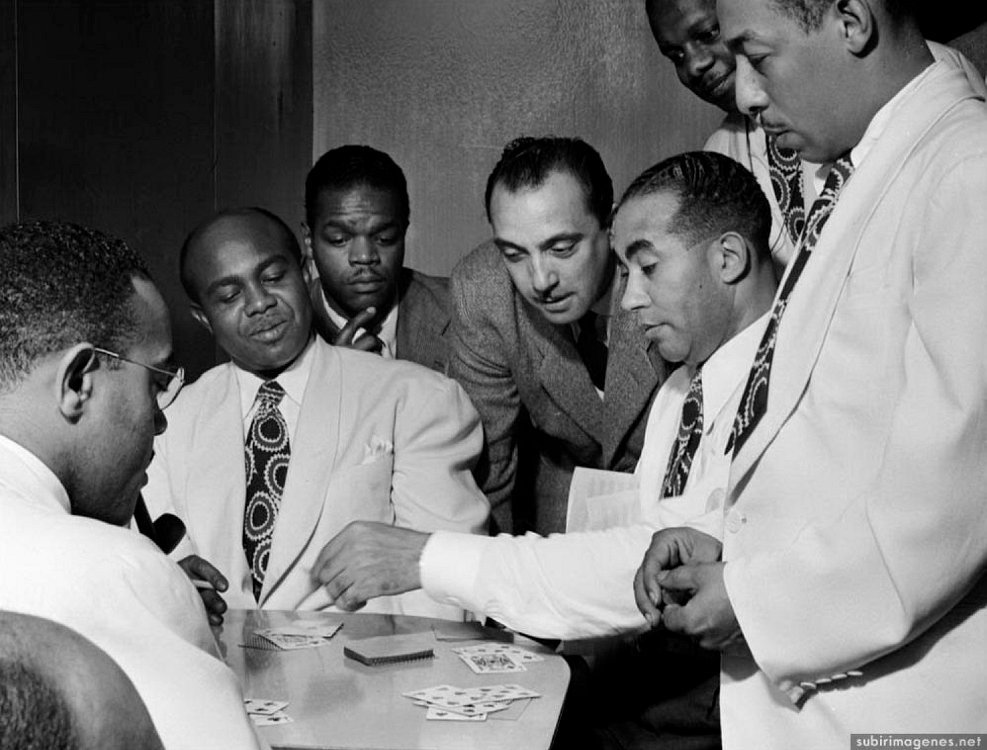
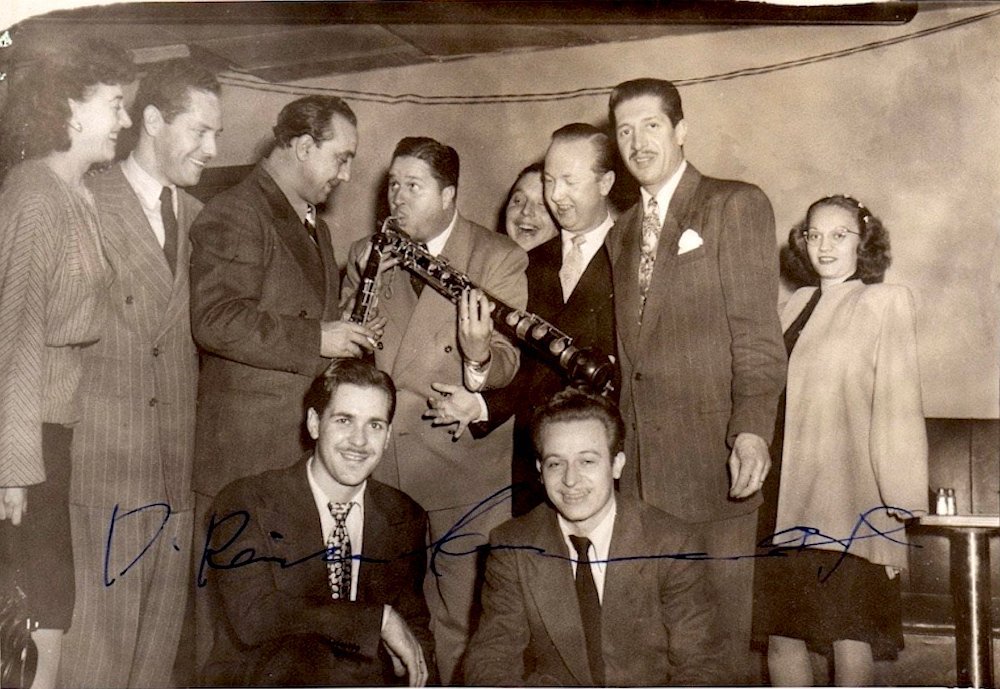
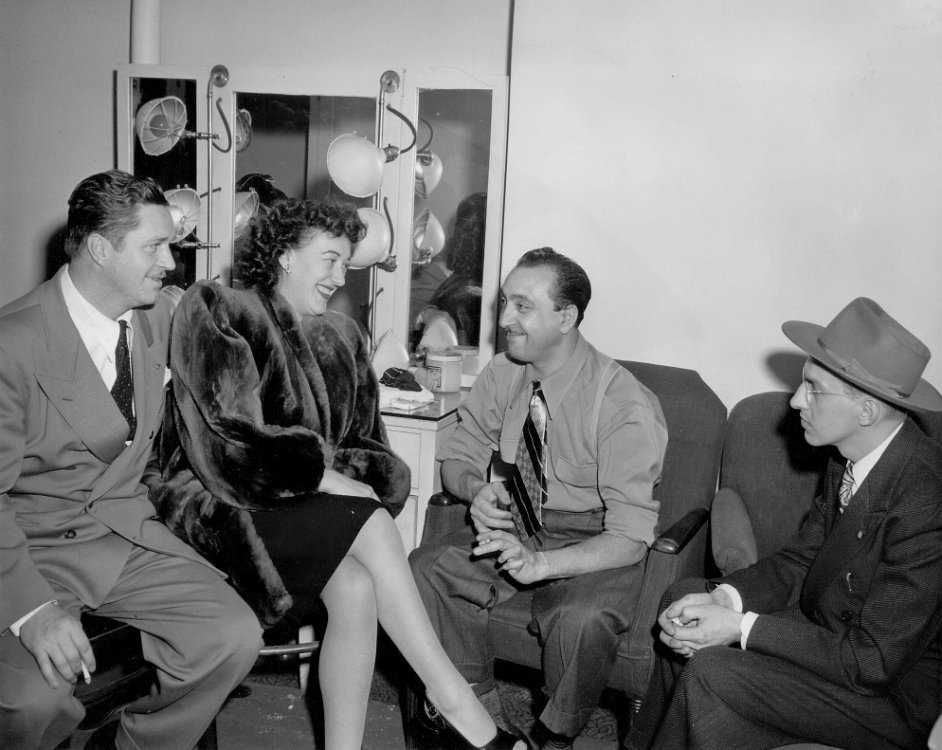
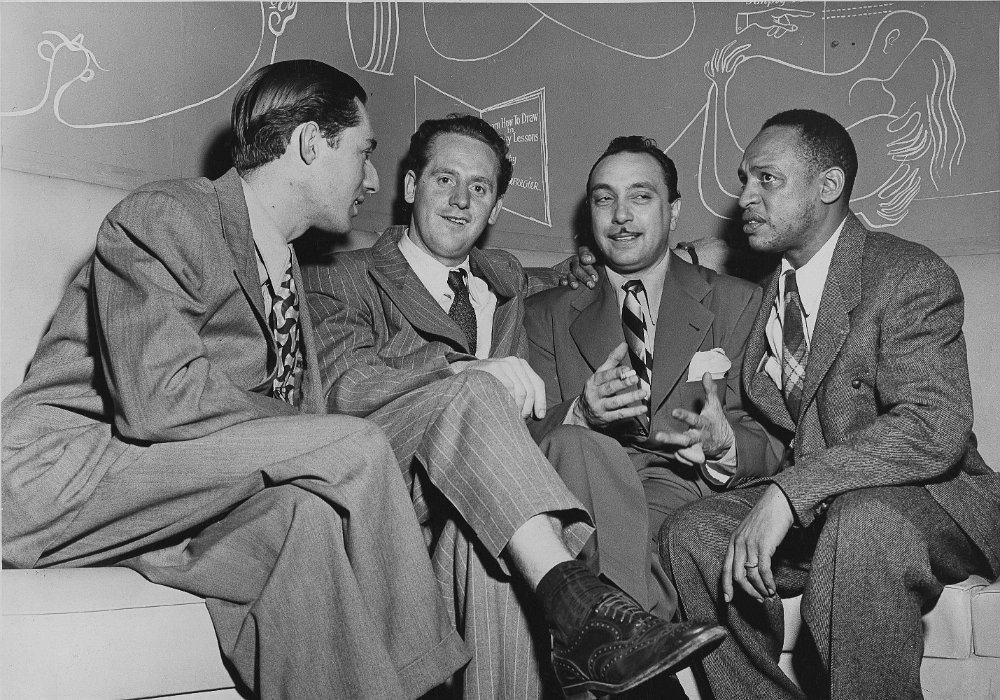
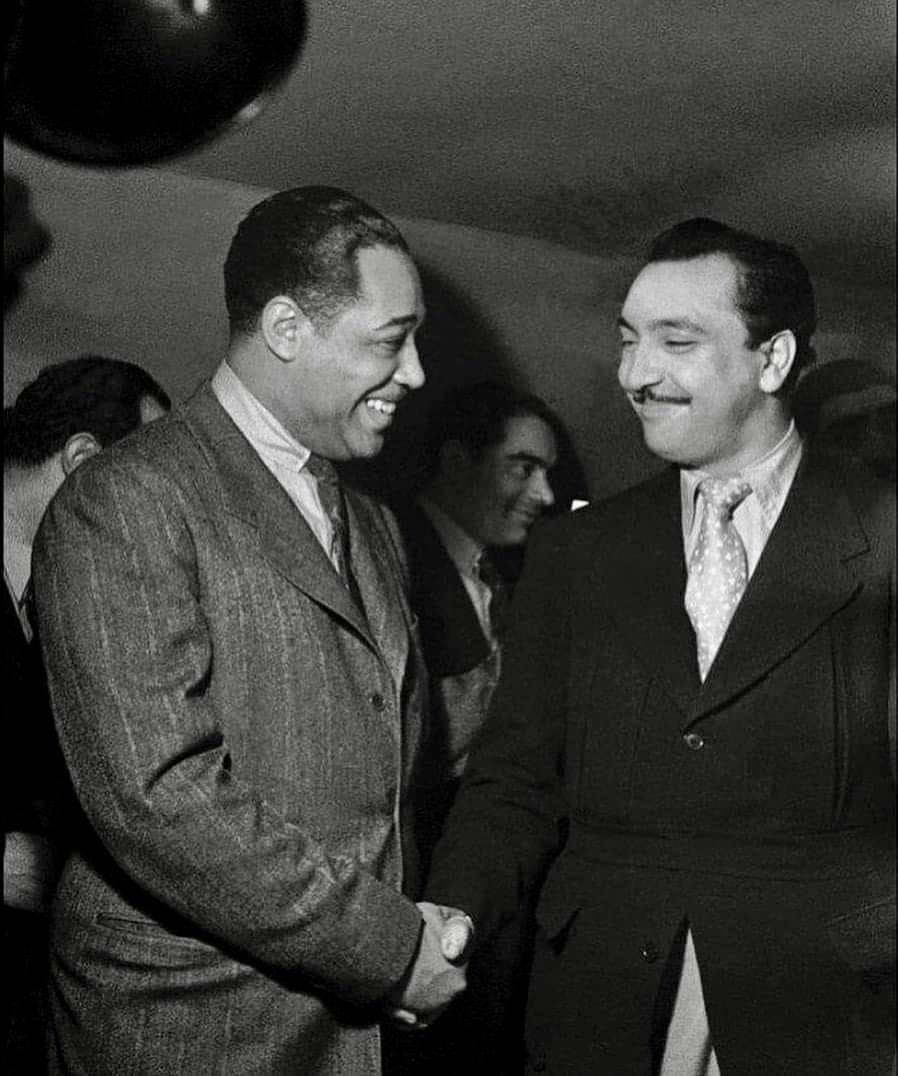
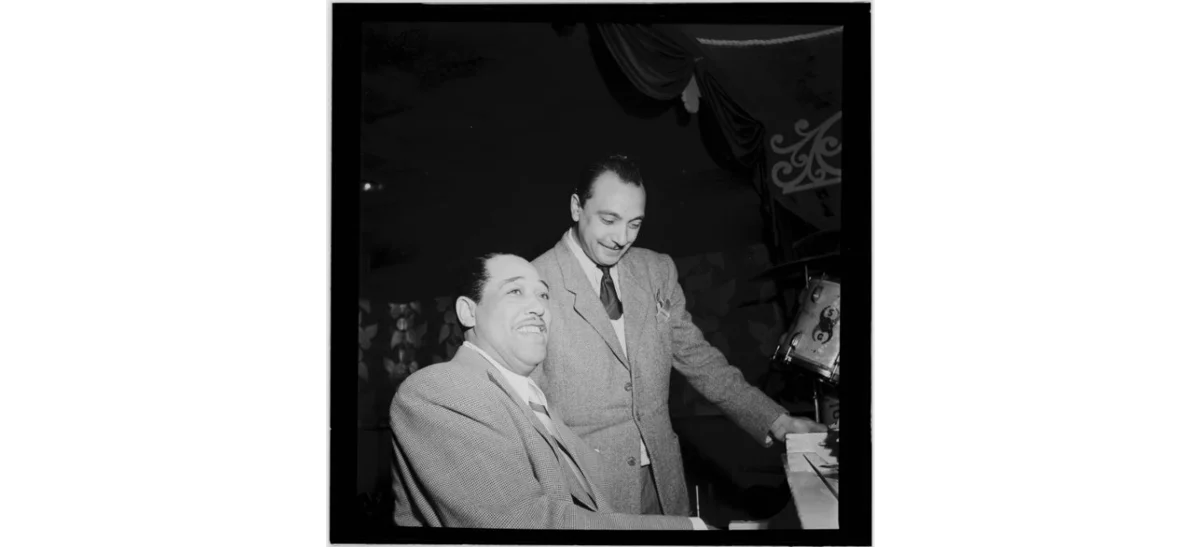
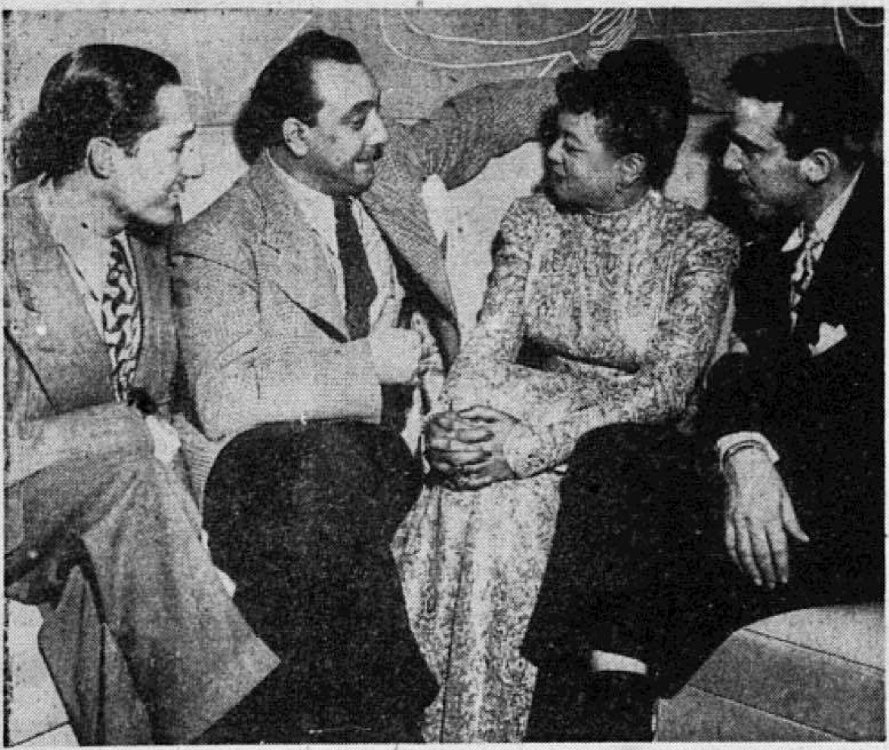
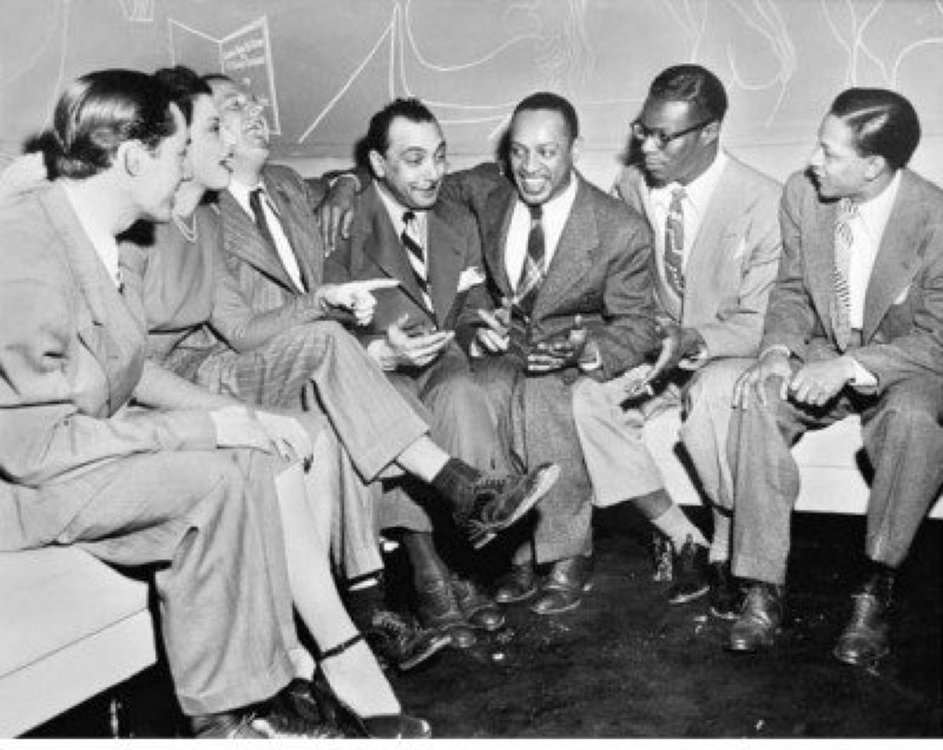
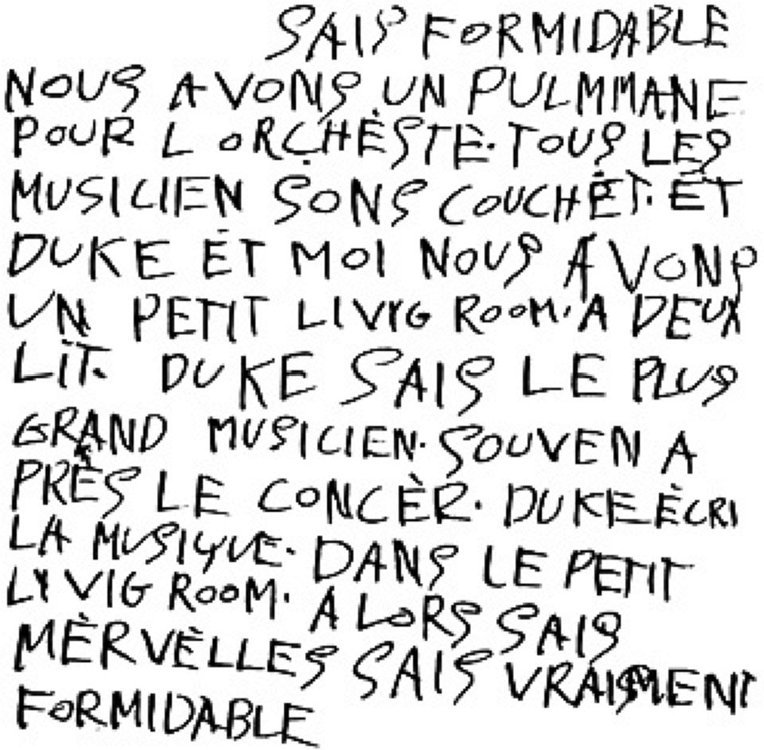
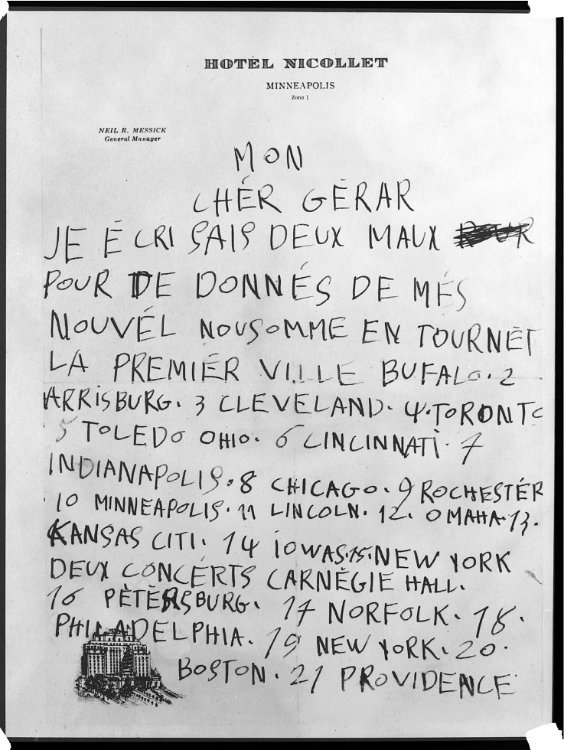
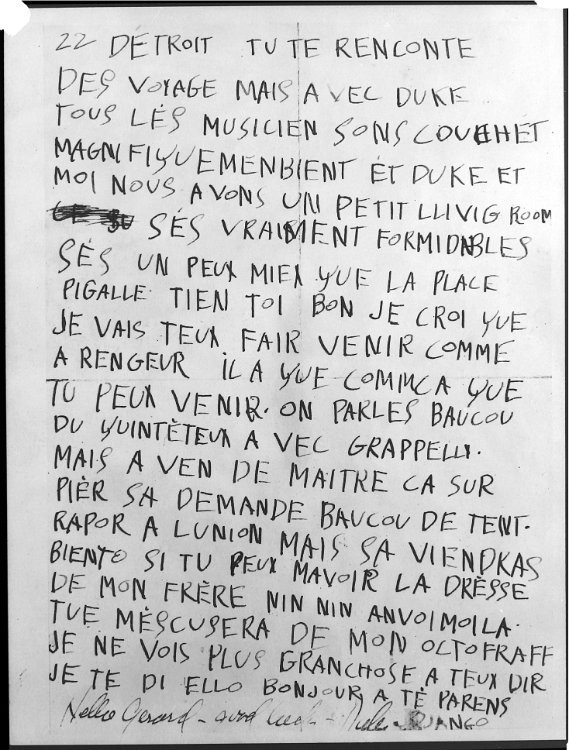
In 1946, Django Reinhardt embarked on a trip to the United States, hoping to expand his horizons and bring his music to a wider audience. However, his journey was not without its challenges. Django arrived in New York in 1946, but he did not bring any of his own guitars or equipment with him. Instead, he was expecting to be greeted by American musicians and luthiers who would provide him with guitars to play during his stay. Unfortunately, this did not happen, and Reinhardt found himself without any instruments to play. He used a Gibson ES-300 with a small amplifier, provided by Duke’s Ellington Promoter, the William Morris Agency. Despite these challenges, Reinhardt made his debut in the United States on November 4, 1946, at the Music Hall in Cleveland. He performed as an opening act for Duke Ellington's orchestra, one of the most famous and influential jazz ensembles of all time. Reinhardt later joined Ellington for the tour in Chicago and several cities, which included performances at the prestigious Carnegie Hall on November 23 and 24 of 1946. They also performed together at Cafe Society Cabaret from December 16 to January 11 of 1947. Ellington greatly admired Reinhardt, having been quoted saying Reinhardt was "the most creative jazz musician to originate anywhere outside the United States. " When Reinhardt joined Ellington for the tour, the Duke paid for the guitarist's trip. Although the tour was extremely important in jazz history, it was not without its problems. The language barrier between the two legendary musicians was a problem, with Ellington speaking very little French and Reinhardt speaking extremely limited English. Django Reinhardt leaving New york Harry Volpe´s tape video footage Despite these challenges, Reinhardt's performances in the United States were a major success. He amazed audiences with his incredible technique and improvisational skills, and he quickly became a respected and admired figure in the American jazz scene. Reinhardt's unique style and sound would go on to influence generations of jazz musicians, and his legacy continues to live on to this day. In conclusion, Django Reinhardt's trip to the United States in 1946 was an important moment in jazz history. Despite the challenges he faced, he managed to impress audiences and make a name for himself in the American jazz scene. His performances with Duke Ellington were legendary, and his influence on jazz guitar playing cannot be overstated. Reinhardt's trip to the United States may have been brief, but its impact on the world of jazz will be felt for generations to come.  

Django Reinhardt en EE. UU. 1946

En 1946, Django Reinhardt emprendió un viaje a Estados Unidos con la esperanza de ampliar sus horizontes y llevar su música a un público más amplio. Sin embargo, su viaje no estuvo exento de dificultades. Django llegó a Nueva York en 1946 sin traer consigo ninguna de sus guitarras ni su equipo. Esperaba que lo recibieran músicos y luthiers estadounidenses que le proporcionarían guitarras para tocar durante su estancia. Por desgracia, eso no ocurrió, y Reinhardt se encontró sin instrumentos. Utilizó una Gibson ES-300 con un pequeño amplificador, facilitada por el promotor de Ellington, la agencia William Morris.

A pesar de estos contratiempos, Reinhardt hizo su debut en Estados Unidos el 4 de noviembre de 1946, en el Music Hall de Cleveland. Actuó como telonero de la orquesta de Duke Ellington, una de las formaciones de jazz más famosas e influyentes de todos los tiempos. Más tarde, Reinhardt se unió a Ellington en la gira por Chicago y varias ciudades, que incluyó actuaciones en el prestigioso Carnegie Hall los días 23 y 24 de noviembre de 1946. También actuaron juntos en el Cafe Society Cabaret del 16 de diciembre de 1946 al 11 de enero de 1947.

Ellington admiraba profundamente a Reinhardt, a quien se le atribuye haber dicho que era "el músico de jazz más creativo surgido fuera de Estados Unidos".

Cuando Reinhardt se unió a Ellington para la gira, el Duque pagó el viaje del guitarrista. Aunque la gira fue muy importante en la historia del jazz, no estuvo exenta de problemas. La barrera del idioma entre los dos legendarios músicos supuso un obstáculo: Ellington hablaba muy poco francés y Reinhardt tenía un inglés extremadamente limitado.

Django Reinhardt saliendo de Nueva York, filmación en cinta de Harry Volpe

A pesar de todo, las actuaciones de Reinhardt en Estados Unidos fueron un gran éxito. Asombró al público con su increíble técnica y sus dotes de improvisación, y pronto se convirtió en una figura respetada y admirada en la escena del jazz estadounidense. El estilo y el sonido únicos de Reinhardt influirían en generaciones de músicos de jazz, y su legado sigue vivo hasta hoy.

En conclusión, el viaje de Django Reinhardt a Estados Unidos en 1946 fue un momento importante en la historia del jazz. Pese a los desafíos que enfrentó, logró impresionar al público y hacerse un nombre en la escena jazzística estadounidense. Sus actuaciones junto a Duke Ellington fueron legendarias, y su influencia en la guitarra jazz no puede exagerarse. El viaje de Reinhardt a Estados Unidos puede haber sido breve, pero su impacto en el mundo del jazz se sentirá durante generaciones.


Django Reinhardt aux États-Unis en 1946

En 1946, Django Reinhardt entreprit un voyage aux États-Unis, dans l'espoir d'élargir ses horizons et de faire connaître sa musique à un public plus large. Toutefois, son périple ne fut pas sans difficultés. Django arriva à New York en 1946 sans aucune de ses propres guitares ni son matériel. Il comptait sur l'accueil de musiciens et de luthiers américains qui lui fourniraient des guitares pour jouer pendant son séjour. Malheureusement, cela ne se produisit pas, et Reinhardt se retrouva sans instrument. Il utilisa une Gibson ES-300 avec un petit amplificateur, fournie par le promoteur d'Ellington, l'agence William Morris.

Malgré ces obstacles, Reinhardt fit ses débuts aux États-Unis le 4 novembre 1946, au Music Hall de Cleveland. Il se produisit en première partie de l'orchestre de Duke Ellington, l'un des ensembles de jazz les plus célèbres et les plus influents de tous les temps. Reinhardt rejoignit ensuite Ellington pour la tournée à Chicago et dans plusieurs autres villes, qui comprenait des concerts au prestigieux Carnegie Hall les 23 et 24 novembre 1946. Ils se produisirent également ensemble au Cafe Society Cabaret du 16 décembre 1946 au 11 janvier 1947.

Ellington admirait profondément Reinhardt, à qui l'on prête ces mots : il était « le musicien de jazz le plus créatif né hors des États-Unis ».

Lorsque Reinhardt rejoignit Ellington pour la tournée, c'est le Duke qui paya le voyage du guitariste. Bien que cette tournée ait été extrêmement importante dans l'histoire du jazz, elle ne fut pas exempte de problèmes. La barrière de la langue entre les deux légendes posait problème : Ellington parlait très peu français, et Reinhardt un anglais extrêmement limité.

Django Reinhardt quittant New York, images filmées par Harry Volpe

Malgré ces difficultés, les prestations de Reinhardt aux États-Unis furent un grand succès. Il stupéfia le public par son incroyable technique et ses talents d'improvisateur, et devint rapidement une figure respectée et admirée de la scène jazz américaine. Le style et le son uniques de Reinhardt allaient influencer des générations de musiciens de jazz, et son héritage perdure encore aujourd'hui.

En conclusion, le voyage de Django Reinhardt aux États-Unis en 1946 fut un moment important de l'histoire du jazz. Malgré les défis qu'il rencontra, il parvint à impressionner le public et à se faire un nom sur la scène jazz américaine. Ses concerts avec Duke Ellington furent légendaires, et son influence sur la guitare jazz ne saurait être surestimée. Le séjour de Reinhardt aux États-Unis fut peut-être bref, mais son impact sur le monde du jazz se fera sentir pendant des générations.
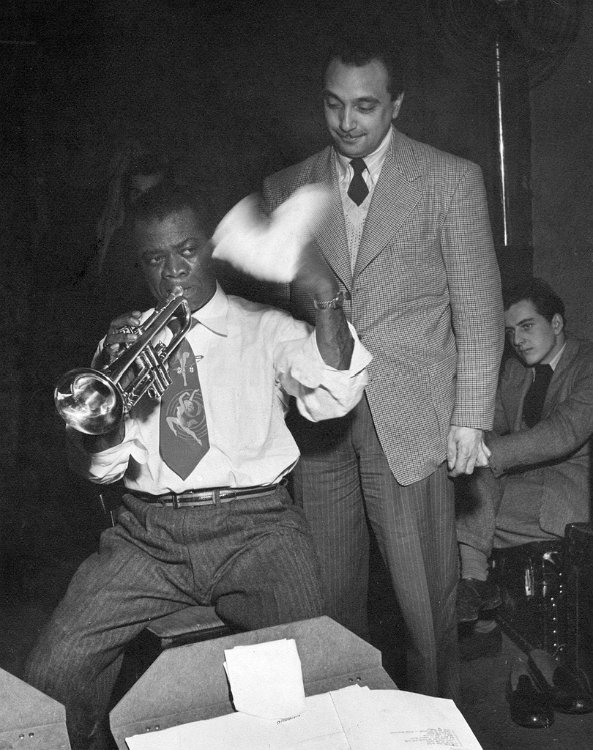
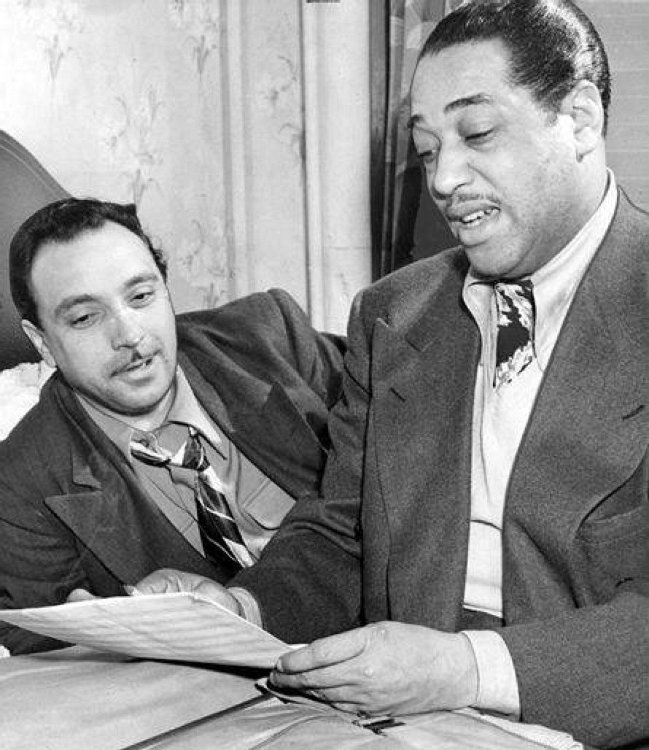
 

Django Reinhardt in USA 1946Django Reinhardt in USA 1946Django Reinhardt in USA 1946Django Reinhardt in USA 1946Django Reinhardt in USA 1946Django Reinhardt in USA 1946Django Reinhardt in USA 1946Django Reinhardt in USA 1946Django Reinhardt in USA 1946Django Reinhardt in USA 1946Django Reinhardt in USA 1946Django Reinhardt in USA 1946Django Reinhardt in USA 1946Django Reinhardt in USA 1946Django Reinhardt in USA 1946